
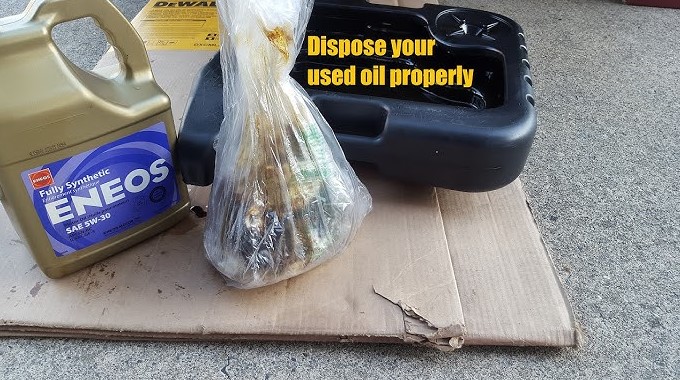
Used motor oil contains harmful chemicals that can damage soil, water, and wildlife. Pouring it into drains, trash, or the ground creates serious environmental hazards and legal consequences. Finding a reliable place to dispose of motor oil safely prevents pollution and protects local communities.
Many auto shops, recycling centers, and municipal hazardous waste programs accept motor oil at no cost. Some retailers even offer drop-off bins specifically for used oil. Before heading out, calling the facility to confirm hours and requirements ensures a smooth process.
Proper storage at home in a sealed, clearly labeled container keeps oil safe until disposal. Recycling used motor oil also provides an opportunity to reduce waste, as recycled oil can be refined and reused.
Safeguarding the environment starts with responsible disposal choices, and free drop-off programs make it easier for vehicle owners to do the right thing without spending money.
Where to Dispose of Motor Oil for Free?
Motor oil keeps engines running smoothly. Every time a car runs, oil becomes dirty and loses its effectiveness. Used motor oil contains metals, chemicals, and other toxins that can harm the environment.
One gallon of used motor oil can pollute up to one million gallons of fresh water. It can contaminate rivers, lakes, and soil, causing long-term damage.
Safe disposal is not just responsible it is essential. Many communities offer free motor oil disposal to prevent pollution and conserve resources.
Why Proper Disposal Matters?
Environmental Risks
Used oil contains heavy metals like lead, cadmium, and arsenic. These metals do not break down naturally. Pouring oil on the ground can poison soil and water. It can also harm animals.
Birds, fish, and other wildlife can die if they ingest contaminated water. Even small spills can have big effects. A single quart of motor oil can cover 2,000 square feet of soil, making it unusable for plants.
Human Health Risks
Contaminated water can affect human health. Drinking water exposed to used oil toxins can lead to skin problems, liver issues, or even long-term diseases. Safe disposal keeps communities healthy.
Resource Conservation
Used oil can be recycled into new motor oil, lubricants, or industrial fuel. Recycling one gallon of used oil saves about 2.5 gallons of crude oil. This reduces the demand for new oil and lowers environmental damage from oil extraction.
Places to Dispose of Motor Oil for Free
1. Auto Parts Stores
Many stores have oil recycling programs. Stores accept small amounts from individuals. You usually bring the oil in a sealed container. Some stores also accept used oil filters after draining them. Staff may provide guidance on proper packaging.
2. Local Recycling Centers
Municipal or county recycling centers often take used motor oil for free. They may operate year-round or on specific days. Some centers also accept oil filters, antifreeze, and other automotive fluids. Staff at the center handle the oil safely and prepare it for recycling.
3. Oil Change Shops
Some oil change shops accept oil from the public, even if you did not buy oil there. They have systems to store and transport oil to recycling facilities. Call ahead to check their limits, as some shops accept only a few gallons at a time.
4. Hazardous Waste Collection Events
Cities often hold hazardous waste collection days. These events allow residents to drop off oil, paints, batteries, and other chemicals. Staff organize and safely transport materials. Events can handle large amounts of motor oil, sometimes up to 50 gallons per household.
5. Service Stations and Car Dealerships
Some gas stations or dealerships accept used oil. They usually store oil in special containers and transport it to recycling plants. Ask for hours and quantity limits before going.
How to Prepare Motor Oil for Disposal?
Step 1: Use a Proper Container
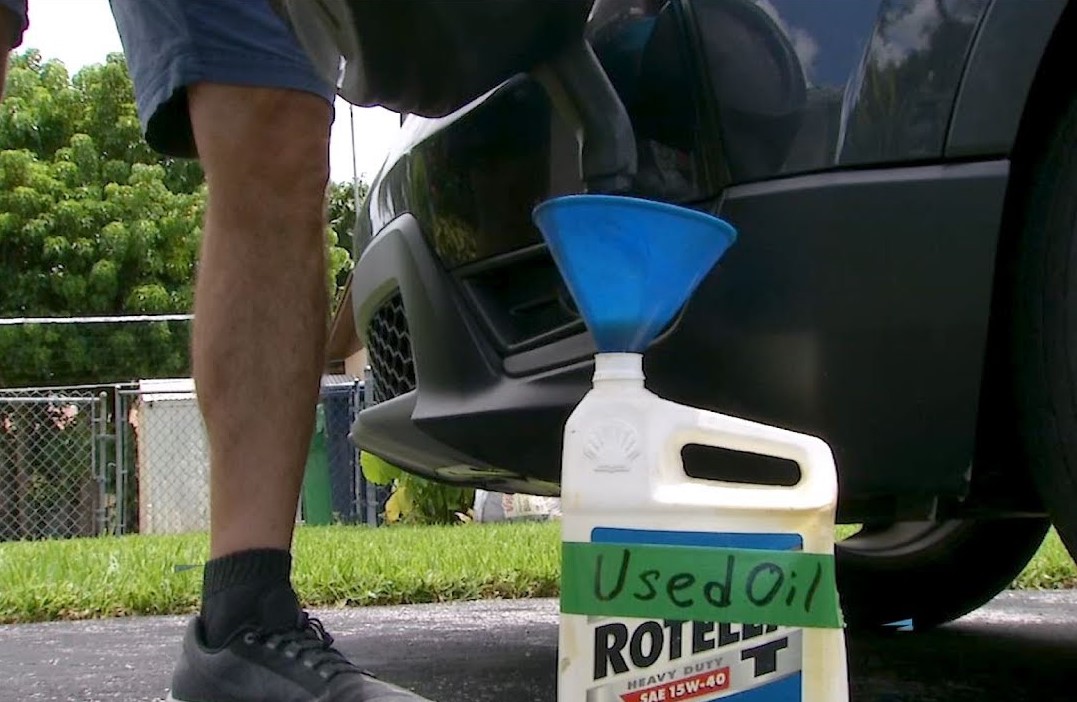
Plastic or metal containers with tight-fitting lids work best. Old milk jugs or soda bottles are fine. Avoid containers that previously held chemicals. Label the container “Used Motor Oil” to avoid accidents.
Step 2: Store Safely
Keep oil in a cool, dry place. Do not store near heat or flames. Store it away from children and pets. Do not mix oil with other substances. Mixed liquids are harder to recycle and may become hazardous.
Step 3: Transport Carefully
Use a box or bag to avoid spills in your car. Carry the container upright. Even small leaks can stain cars or harm the environment.
Additional Tips
-
Recycle Oil Filters: Oil filters contain leftover oil. Drain them before recycling. Many recycling centers accept them.
-
Small Quantities Matter: Do not pour even small amounts into drains or soil. A single pint of oil can pollute 250,000 gallons of water.
-
Check Local Rules: Rules differ by city or county. Some centers accept oil from residents only. Some have quantity limits.
-
Track Your Disposal: Keep a small log of disposal dates and locations. This helps you plan future oil changes and avoids illegal dumping.
FAQs
Can motor oil be recycled more than once?
Yes. Recycled oil can be refined into new motor oil, industrial lubricants, or even diesel fuel.
How long can I store used oil?
You can store oil for months in a sealed container, away from heat. Avoid freezing or mixing with water.
Is it safe to dispose of oil at home?
No. Never pour oil on soil, drains, or trash. Even small spills damage the environment.
How much oil can I drop off at recycling centers?
Limits vary. Some centers allow up to 5 gallons per visit. Hazardous waste events may accept larger amounts.
What happens to the oil after recycling?
Recycling plants filter contaminants, remove metals, and clean the oil. Cleaned oil becomes new motor oil, lubricants, or fuel.
Conclusion
Proper disposal of motor oil protects the environment, wildlife, and human health. Free disposal options include auto parts stores, recycling centers, oil change shops, hazardous waste events, and service stations.
Use a clean container, store safely, and transport carefully. Recycling oil saves natural resources and prevents pollution. Every gallon recycled makes a difference.