
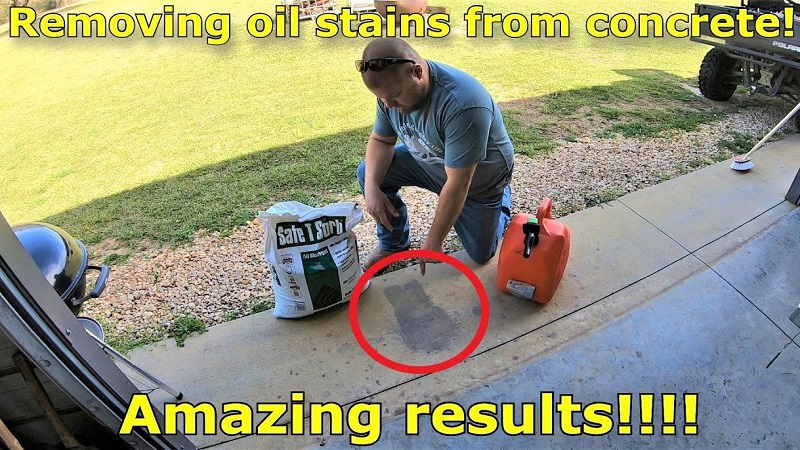
Motor oil spills on concrete can create stubborn stains that ruin the appearance of driveways, garages, and sidewalks. Oil seeps deep into porous surfaces, making simple wiping ineffective. Using the right approach prevents permanent discoloration and keeps concrete looking clean.
Common household items like baking soda, kitty litter, or dish soap can act as powerful cleaners when applied correctly. Understanding the type of oil and the surface condition helps tackle the stain efficiently.
Early action reduces the effort needed for removal and prevents oil from spreading further. Concrete cleaners designed for heavy-duty stains also offer strong results without harsh scrubbing.
A few strategic steps, combined with patience, can restore concrete surfaces without professional help. Proper cleanup not only improves aesthetics but also prevents slippery patches that pose safety risks. Effective techniques ensure oil stains become manageable and less frustrating.
How to Remove Motor Oil from Concrete?
Motor oil spills leave dark, greasy stains on driveways, garages, and sidewalks. These stains can be slippery, hard to clean, and may stay for years if ignored. Concrete is porous, which means it absorbs oil quickly.
Removing motor oil requires both patience and the right techniques. This guide explains detailed steps, useful tips, and extra methods to clean motor oil thoroughly.
Why Motor Oil Stains Concrete?
Concrete has tiny holes and cracks that trap liquids. Motor oil is thick and sticky. Once it touches concrete, it seeps inside quickly. Even a small drip can leave a dark mark. Sunlight and rain may lighten the stain but rarely remove it completely.
Knowing this helps in choosing the right cleaning method. Simple scrubbing may work for fresh spills, but older stains need stronger approaches.
Materials You Need
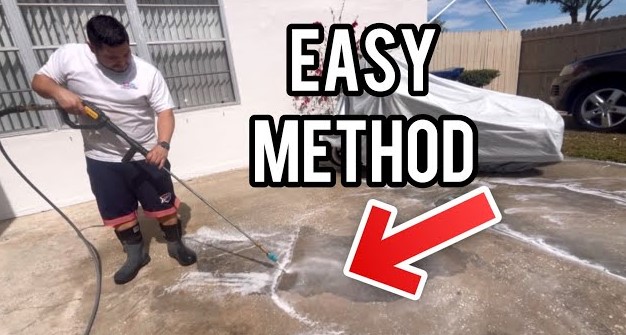
Prepare the right items for efficient cleaning. Using improper tools wastes time.
Essential Materials:
-
Absorbent material: Kitty litter, sawdust, or baking soda. Absorbs fresh oil.
-
Soap or cleaner: Dish soap, degreaser, or concrete cleaner. Breaks down oil molecules.
-
Hot water: Warmer water lifts oil better than cold.
-
Stiff-bristle brush: Scrubs oil from concrete pores. Avoid metal brushes, which can scratch concrete.
-
Protective gloves: Prevents skin contact with chemicals.
-
Bucket: For mixing soap and water.
-
Plastic scraper (optional): Helps lift thick oil deposits.
Step 1: Remove Excess Oil
Fresh spills need immediate attention. Oil left on the surface spreads and penetrates deeper.
How to Remove Oil:
-
Cover the stain with absorbent material. Use enough to completely cover the oil.
-
Let it sit for 10–30 minutes. For thick oil, 1 hour works better.
-
Sweep the material into a trash bag. Avoid spreading it to clean areas.
Data point: A single cup of motor oil can leave a stain about 1–2 square feet in area. Using 2–3 cups of kitty litter usually absorbs it effectively.
Step 2: Apply Soap or Cleaner
Soap breaks oil into smaller droplets, making it easier to wash away.
Method:
-
Mix hot water with 2–3 tablespoons of dish soap per gallon. Use more soap for large stains.
-
Pour the mixture over the stain until it’s fully wet.
-
Let it sit for 10 minutes to allow the soap to penetrate.
Extra tip: For older stains, use a concrete cleaner or degreaser. These chemicals are specially designed to lift oil from pores. Avoid bleach or acid cleaners—they do not remove oil and can damage concrete.
Step 3: Scrub Deeply
Scrubbing forces the cleaner into the concrete.
Instructions:
-
Use a stiff-bristle brush to scrub the stained area in small circles.
-
Apply firm pressure, especially on dark spots.
-
For very old stains, scrub for 10–15 minutes per section.
Important note: Concrete pores can go 1–2 millimeters deep. Regular scrubbing ensures the oil is pushed out of these tiny holes.
Step 4: Rinse Thoroughly
Rinsing removes both oil and soap residue.
Steps:
-
Use a hose or bucket of clean water. Strong water pressure helps, but do not use a high-pressure washer too close.
-
Rinse until water runs clear.
-
Repeat scrubbing and rinsing for stubborn stains.
Data point: About 80% of motor oil comes off with proper scrubbing and rinsing. Persistent stains may need extra treatments.
Step 5: Use Powder or Paste for Deep Cleaning
For old or dark stains, powders or pastes work best.
Powder Method:
-
Sprinkle baking soda or powdered laundry detergent over the wet stain.
-
Scrub gently and let it sit for 10–20 minutes.
-
Rinse with hot water.
Paste Method (Poultice):
-
Mix baking soda with dish soap or water to make a thick paste.
-
Apply the paste to the stain.
-
Cover with plastic wrap and tape edges.
-
Let it sit overnight (8–12 hours).
-
Remove wrap and scrub lightly. Rinse with hot water.
Data point: Poultice can remove up to 95% of stains that are 2–3 years old.
Extra Tips for Tough Stains
-
Always wear gloves. Motor oil and cleaners can irritate skin.
-
Work in small areas. Large sections are harder to clean evenly.
-
Repeat treatment 2–3 times for very old stains.
-
Avoid harsh chemicals like bleach or muriatic acid—they can weaken concrete.
-
For driveways, use mats or drip pans to prevent new oil spills.
FAQs
Q1: Can old motor oil stains be fully removed?
Yes, but it takes multiple treatments. Fresh oil is easier. Older stains may need paste or repeated scrubbing.
Q2: Can pressure washers remove oil?
Yes, with care. Keep nozzle at least 12 inches from concrete. Too close can damage surface.
Q3: Is baking soda effective for new stains?
Yes. Baking soda absorbs fresh oil well and is safe for concrete.
Q4: How long should a paste stay on old stains?
8–12 hours is best. Longer times improve results for deep, set-in stains.
Q5: Can sunlight fade oil stains?
Yes, sunlight may lighten stains, but it does not remove them fully. Cleaning is necessary.
Conclusion
Motor oil stains on concrete appear difficult but can be removed with the right steps. Start by absorbing excess oil, then apply soap, scrub, rinse, and treat persistent stains with powders or pastes.
Patience is important. Regular cleaning and preventive measures keep concrete safe, clean, and free of greasy marks. Using these methods ensures even older stains can fade significantly without damaging the surface.