
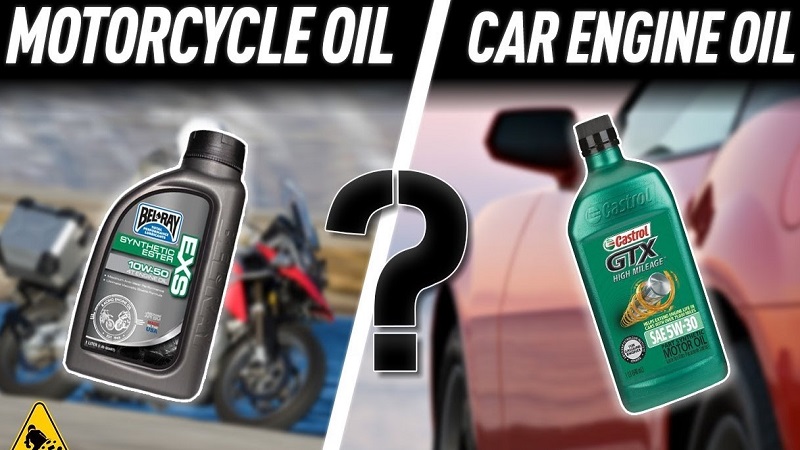
Many car owners use the terms “motor oil” and “engine oil” as if they mean the same thing. Confusion arises because both are essential fluids that keep engines running smoothly. Motor oil lubricates moving parts, reduces friction, and helps prevent overheating.
Engine oil performs similar functions, but its formulations and specifications often vary depending on the type of engine, driving conditions, and manufacturer requirements. Understanding the subtle differences can save time, money, and engine trouble.
Using the wrong type may reduce performance or even damage the engine over time. Labels, viscosity ratings, and additives can differ, affecting how the oil reacts under heat, pressure, and wear.
Car manuals and manufacturer recommendations provide guidance, but a clear grasp of the terms helps in making smarter choices at the auto store. Knowing these details keeps your vehicle running efficiently and extends its lifespan.
Is Motor Oil and Engine Oil the Same?
Many car owners get confused by the terms motor oil and engine oil. Some think they are two different products. Others believe one is better than the other.
Mechanics and car manuals often use the terms interchangeably. Both are liquids that keep engines running smoothly. Using the right oil protects your engine, improves fuel efficiency, and extends engine life.
Understanding the differences, similarities, and types of oil helps you make the best choice for your vehicle.
What Is Motor Oil?
Motor oil is a special liquid that lubricates the engine. Its main purpose is to reduce friction. Friction occurs when metal parts in the engine rub against each other. Without oil, friction produces heat and causes parts to wear down fast.
Motor oil also:
-
Cleans engine parts by carrying dirt, metal particles, and combustion residues to the oil filter.
-
Cools the engine by transferring heat away from moving parts.
-
Protects against rust and corrosion from moisture and chemical reactions.
-
Helps the engine run efficiently by reducing energy loss.
Motor oil comes in different types:
Conventional Motor Oil
Made from refined crude oil. Works well for older engines. Usually cheaper but requires more frequent changes.
Synthetic Motor Oil
Chemically engineered for high performance. Resists high temperatures and keeps viscosity stable. Lasts longer and protects better in extreme heat or cold.
Semi-Synthetic Motor Oil
A mix of conventional and synthetic oils. Offers better performance than conventional oil and is cheaper than full synthetic.
What Is Engine Oil?
Engine oil refers to any oil that lubricates, cleans, and protects an engine. Motor oil is a type of engine oil.
Engine oil’s main functions:
-
Reduces friction and wear between moving engine parts.
-
Cools the engine by absorbing heat and transferring it to the cooling system.
-
Prevents sludge, carbon deposits, and corrosion inside the engine.
-
Helps the engine use fuel efficiently.
Engine oil may include special additives to improve performance. Some manuals use the term “engine oil” instead of motor oil to cover all types that can be used in an engine.
Are Motor Oil and Engine Oil the Same?
Yes, most of the time. Motor oil is a type of engine oil. Both are designed to lubricate, protect, and clean engines. The difference lies mainly in the name.
Key points:
-
Motor oil = Engine oil in most cases.
-
“Engine oil” is a broader term used in car manuals to include all types suitable for engines.
-
“Motor oil” usually refers to oils sold in stores for car engines specifically.
Understanding Oil Grades and Viscosity
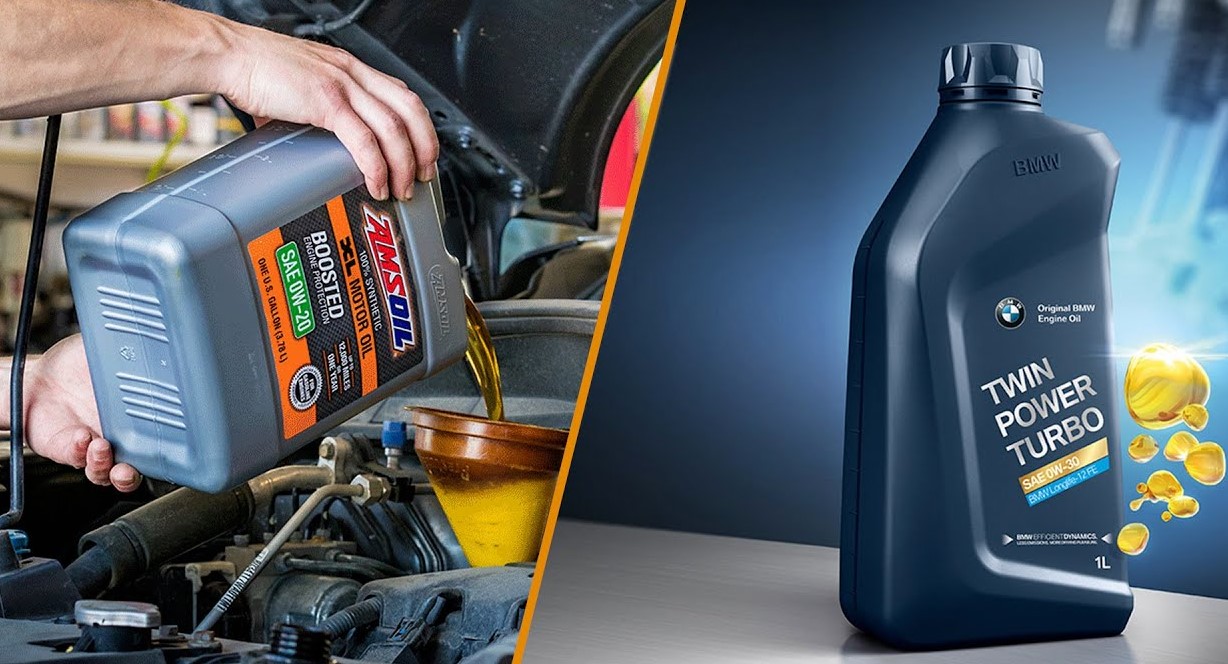
Engine oils have numbers like 5W-30 or 10W-40. These numbers show the oil’s thickness and flow in different temperatures.
How Oil Grades Work
-
First Number (5W): Indicates how the oil flows at cold temperatures (winter). Lower numbers flow easier in cold.
-
Second Number (30 or 40): Shows thickness at normal engine temperature. Higher numbers are thicker, offering more protection at high heat.
Why Viscosity Matters
Viscosity affects fuel efficiency, engine protection, and performance. Too thick oil in winter can make starting hard. Too thin oil in summer may not protect moving parts properly.
Additives in Engine and Motor Oil
Modern oils contain additives to improve engine life. Important additives include:
-
Detergents: Clean engine deposits.
-
Anti-Wear Agents: Protect moving parts under pressure.
-
Corrosion Inhibitors: Stop rust from forming inside the engine.
-
Viscosity Modifiers: Keep oil stable at high temperatures.
-
Foam Inhibitors: Prevent bubbles that reduce lubrication.
These additives make a big difference. For example, a car using oil without anti-wear agents can wear down metal parts 10–20% faster over 50,000 miles.
How to Choose the Right Oil?
Choosing the wrong oil can cause engine problems or reduce fuel efficiency. Follow these steps:
-
Read the Car Manual: Manufacturers list recommended oil types and viscosity.
-
Check the Climate: Cold climates need lower “W” numbers, hot climates need higher second numbers.
-
Use Quality Oil: Avoid very cheap oils that may lack proper additives.
-
Change Oil Regularly: Follow the car’s maintenance schedule.
-
Avoid Mixing Oils: Mixing different types can reduce performance or cause sludge.
Example:
A 2020 Toyota Corolla may require 0W-20 synthetic oil. Using 10W-30 conventional oil can reduce fuel efficiency and engine life.
Signs Your Engine Needs Oil
-
Engine makes unusual noises or rattles.
-
Oil level is low or looks dirty/black.
-
Warning light on the dashboard.
-
Reduced fuel efficiency.
Checking oil every month or before long trips prevents damage and improves engine performance.
FAQs
1. Can motor oil and engine oil be used interchangeably?
Yes. Motor oil is a type of engine oil. Ensure the grade matches the car manual.
2. How often should I change engine oil?
Most cars need an oil change every 3,000–7,500 miles. Follow the manufacturer’s schedule.
3. Does synthetic oil last longer than conventional oil?
Yes. Synthetic oil can last 10,000–15,000 miles in modern engines, while conventional oil usually lasts 3,000–5,000 miles.
4. Can wrong oil damage my engine?
Using oil with the wrong viscosity or missing additives can increase wear, reduce fuel efficiency, and cause engine failure.
5. Is engine oil only for cars?
No. Motorcycles, trucks, boats, and small engines like lawnmowers also need engine oil.
6. What happens if I never change my engine oil?
Old oil becomes dirty, thick, and less effective. This causes overheating, sludge, and major engine damage over time.
Conclusion
Motor oil and engine oil work to protect, lubricate, and clean engines. The main difference lies in the name, not in function. Using the right type, viscosity, and additives improves engine life and efficiency.
Regular checks and oil changes prevent damage and maintain smooth performance. Knowing the difference helps make informed choices for engine care.