
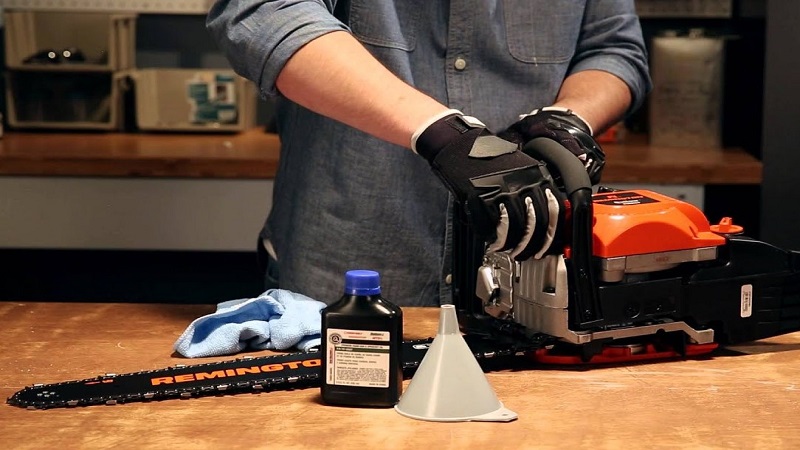
Chainsaw owners often face a simple question: can motor oil replace chainsaw bar oil? Many people already keep motor oil in the garage, so the idea feels practical. Cost also pushes this question. Bar oil sits on store shelves at a higher price, while leftover motor oil seems ready for use.
Yet a chainsaw bar and chain demand thick lubrication that sticks during fast rotation. Motor oil flows differently and may leave the chain dry under heavy cutting. Poor lubrication increases heat, friction, and wear on the guide bar.
Long cutting sessions can damage the chain and shorten tool life. Environmental impact also matters because chainsaws often spray oil into soil and wood chips.
Special bar oil uses tacky additives that help it cling to the chain at high speed. This guide explains the key differences, safety concerns, and practical options so you can decide with confidence for smart decisions.
Table of Contents
ToggleCan I Use Motor Oil for Chainsaw Bar Oil?
Motor oil can lubricate metal parts. Engines depend on motor oil to reduce friction between pistons and moving parts. That fact makes many people think motor oil will work well in a chainsaw.
A chainsaw uses oil in a different way than an engine. The oil does not stay inside a sealed system. The chain carries oil along the bar and throws most of it away during cutting.
Bar oil must stick to the chain as it spins. A sticky formula helps the oil stay on the metal surfaces longer. Motor oil lacks that sticky quality. The oil often flies off the chain before it can protect the bar and chain.
Short-term use may allow the chainsaw to run. Long-term use increases wear and reduces tool life.
How Chainsaw Lubrication Works?
Chainsaw lubrication works through a simple but important system. The oil tank stores bar oil. A small pump pushes oil toward the guide bar. The oil travels through a small hole into the bar groove.
The chain moves through that groove at very high speed. The moving chain spreads oil along the bar and across the cutting links.
A constant oil film forms between metal surfaces. Without this oil layer, metal rubs against metal. Heat rises quickly. Friction increases. Damage begins.
A typical chainsaw chain may travel between 45 and 60 feet per second. That speed equals around 3,000 feet per minute. Strong lubrication becomes essential at that speed.
Key Differences Between Motor Oil and Bar Oil
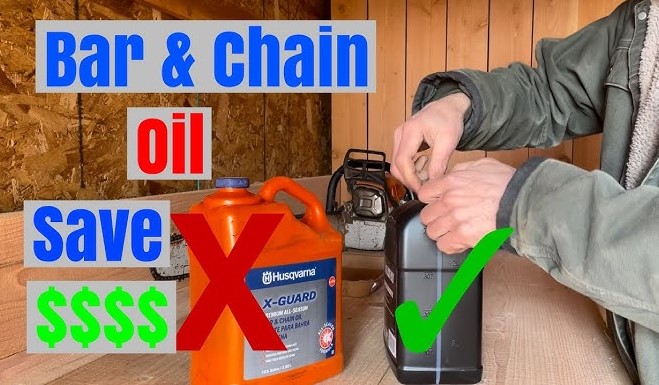
Motor oil and bar oil may look similar in color. Their behavior differs in important ways.
Stickiness
Bar oil contains tackifiers. Tackifiers are additives that help oil stick to metal surfaces. The spinning chain tries to throw oil away through centrifugal force. Sticky oil stays on the chain longer.
Motor oil does not contain strong tackifiers. The oil leaves the chain quickly. Less oil stays on the cutting system.
Thickness
Bar oil stays thick during use. Thick oil creates a strong protective film between moving parts. Motor oil changes thickness based on temperature. Many motor oils thin out under heat. Thin oil cannot protect the chain and bar as effectively.
Oil Consumption
Chainsaws use large amounts of bar oil during operation. A typical chainsaw may use one full oil tank for every fuel tank. That design ensures steady lubrication.
Motor oil flows faster and leaves the system quicker. The chain may run dry sooner.
Resistance to Sawdust
Wood cutting produces fine dust and chips. Bar oil handles this debris well. Motor oil may mix with sawdust and form sticky residue. That residue can clog oil passages. Clogged passages reduce oil flow to the bar.
Real Impact of Poor Lubrication
Weak lubrication causes several mechanical problems.
Chain Stretch
Chains expand under heat and pressure. Poor lubrication increases friction. Extra friction increases heat. Heat causes faster chain stretching. A stretched chain loses cutting accuracy and safety.
Guide Bar Wear
The guide bar contains a narrow groove that holds the chain. Friction slowly wears this groove. Poor oil coverage speeds up that wear. A worn groove may cause chain wobble or uneven cutting.
Sprocket Damage
Chainsaws use a drive sprocket to move the chain. Insufficient lubrication stresses this sprocket. Metal wear may occur on the sprocket teeth. Replacement costs may increase.
Reduced Cutting Efficiency
Chains cut best when the chain slides smoothly along the bar. Extra friction reduces chain speed and cutting performance. Wood cutting becomes slower and harder.
Temperature Effects on Oil Performance
Temperature plays a major role in oil behavior. Cold weather thickens oil. Thick oil moves slowly through the lubrication system.
Hot weather thins oil. Thin oil may not stay on the chain long enough. Bar oil formulas balance these conditions. Manufacturers design bar oil to work across a wide temperature range.
Motor oil focuses on engine lubrication instead. Chainsaw conditions differ greatly from engine conditions.
Used Motor Oil and Hidden Risks
Used motor oil creates serious risks for chainsaws and the environment. Old engine oil collects contaminants during engine operation.
These contaminants include:
-
Tiny metal particles
-
Carbon deposits
-
Dirt and dust
-
Fuel residue
-
Combustion chemicals
These particles can scratch the guide bar and chain. Environmental harm also becomes a major concern. Chainsaws release bar oil directly into the environment during cutting.
Used oil may contaminate soil and water sources. Plants and wildlife may suffer from this pollution. Used motor oil should never enter a chainsaw oil tank.
Emergency Use of Motor Oil
Emergency situations sometimes happen during outdoor work. A user may run out of bar oil while cutting wood far from a supply store.
Clean motor oil can work for a short period. This solution should remain temporary.
Several precautions help reduce damage:
-
Use fresh motor oil only
-
Use thicker oil grades such as 10W-30 or 15W-40
-
Refill with bar oil as soon as possible
-
Clean the guide bar after the job
Short-term use lowers the risk of long-term damage.
Environmental Considerations
Chainsaw lubrication releases oil into nature during cutting. Every drop of oil that leaves the chain falls onto wood, soil, or plants.
Bar oil manufacturers often design products that break down naturally over time. Motor oil does not break down as easily. Harmful compounds may stay in the environment longer.
Forest workers and professional loggers often use biodegradable bar oils for this reason. Cleaner lubrication protects forests, soil, and water.
Signs That Your Chainsaw Needs Better Lubrication
Chainsaws show warning signs when lubrication fails.
Watch for these symptoms:
Smoke near the guide bar.
Burn marks on cut wood surfaces.
Chain appears dry or shiny.
Chain stretches faster than normal.
Guide bar becomes very hot to touch.
Cutting speed becomes slower.
Stop the chainsaw immediately if these signs appear. Add proper oil and inspect the lubrication system.
Simple Test to Check Bar Oil Flow
A quick test can confirm oil flow. Start the chainsaw and hold the tip of the bar a few inches above a light surface such as cardboard or a tree stump.
Run the saw at medium speed for a few seconds. A thin line of oil should appear on the surface. No oil line means the lubrication system may have a blockage. Clean the oil holes and bar groove if necessary.
Basic Chainsaw Maintenance for Longer Life
Regular care keeps the chainsaw safe and efficient. Good maintenance also reduces repair costs.
Check Oil Before Every Use
Oil level should remain high before cutting begins. A dry chain can suffer damage within minutes.
Clean the Bar Groove
Wood dust collects inside the bar groove. Cleaning tools or thin metal wires help remove this buildup. Clear grooves improve oil flow.
Sharpen the Chain
Sharp chains cut faster and create less friction. Dull chains force the saw to work harder.
Inspect Oil Holes
Small oil holes feed lubrication into the bar groove. Dust or debris may block these holes. Cleaning ensures steady oil flow.
Alternative Oils Some Users Try
Some chainsaw owners experiment with alternative oils.
Vegetable Oil
Vegetable oil sticks fairly well to metal surfaces. This oil also breaks down naturally in soil. Short jobs may work fine with vegetable oil.
Canola Oil
Canola oil offers decent lubrication and lower environmental impact. Cold temperatures may thicken this oil.
Biodegradable Bar Oil
Many companies produce plant-based bar oils. These oils provide strong lubrication while reducing environmental harm. Professional forestry workers often prefer these products.
FAQs
Can motor oil run a chainsaw safely?
Motor oil can allow short operation in emergencies. Long-term use increases wear and reduces lubrication quality.
Why does bar oil feel sticky?
Manufacturers add tackifiers that help the oil stay on the spinning chain.
How fast does a chainsaw chain move?
Many chains move between 45 and 60 feet per second during cutting.
Why does my chainsaw use oil so quickly?
Chainsaws release oil during cutting to maintain lubrication. High oil consumption is normal.
Can thick motor oil work better than thin oil?
Thicker motor oil may stay on the chain slightly longer. Bar oil still performs better.
How much bar oil should a chainsaw use?
Most chainsaws use one tank of bar oil for each tank of fuel.
Conclusion
Chainsaws depend on proper lubrication for safe and efficient cutting. The guide bar and chain move at high speed and create strong friction. Bar and chain oil protects these parts with a thick, sticky film.
Motor oil can work for short emergencies, but it does not match the performance of bar oil. Poor adhesion and faster oil loss reduce protection for the chain and guide bar.
Regular use of bar oil keeps the chainsaw cooler, smoother, and more durable. Proper lubrication also reduces wear and improves cutting performance. A simple rule works best. Use bar oil whenever possible and keep the chainsaw lubrication system clean and full.