
Motor oil keeps your engine parts cool and smooth, but many drivers still ask a simple question: does motor oil burn? Heat builds up inside every engine, and oil faces that heat every time you start your car.
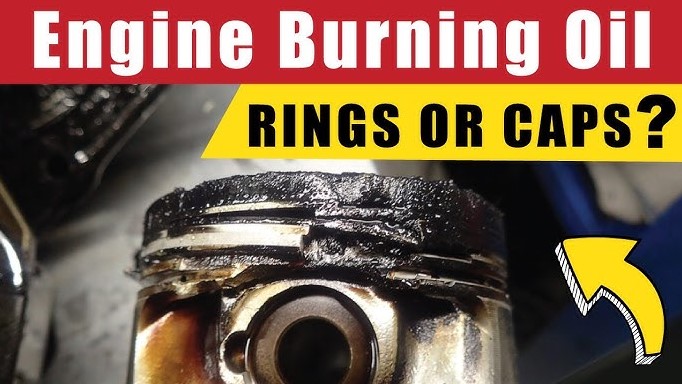
High temperatures, worn piston rings, and poor maintenance can cause oil to burn inside the combustion chamber. Blue smoke from the exhaust often signals this problem. Oil consumption may also rise faster than normal.
Motor oil does not catch fire easily under normal driving conditions. It has a high flash point, which helps it resist burning at typical engine temperatures. Still, extreme heat, leaks, or low-quality oil can lead to oil breakdown and burning.
This issue can reduce engine performance and increase repair costs. Understanding how and why motor oil burns helps you protect your engine and avoid serious damage.
Does Motor Oil Burn?
Many car owners ask a simple question. Does motor oil burn?
Yes. Motor oil can burn. It does not burn like gasoline. It needs more heat. Still, high engine heat can make oil smoke and burn.
Oil plays a key role in engine life. It reduces friction. It carries heat away from parts. It seals small gaps. It also cleans dirt and metal dust.
Heat, pressure, and wear affect oil every day. That is why this topic matters. This guide explains the science, the causes, and the risks in clear detail.
What Makes Motor Oil Burn?
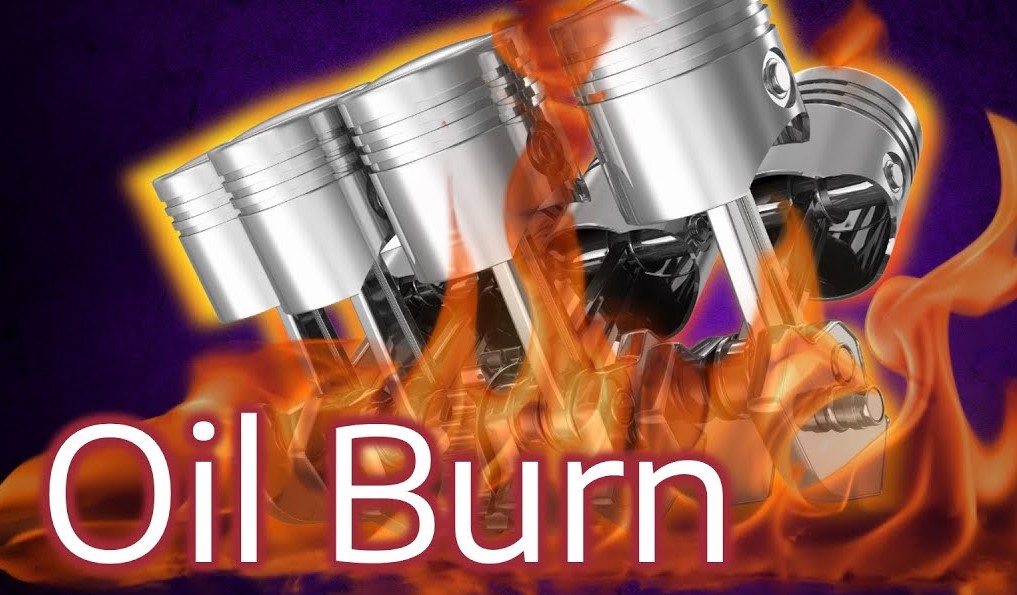
Motor oil contains hydrocarbons. Hydrocarbons come from crude oil or chemical synthesis. These compounds can burn if heat reaches a certain level.
Two key terms explain this:
Flash Point
Flash point means the lowest temperature where oil vapors can catch fire. Most engine oils have a flash point between 300°F and 450°F (150°C to 230°C). High quality synthetic oils may reach the upper end of this range.
Oil must first turn into vapor before it burns. Liquid oil does not ignite easily. Heat must create vapor.
Fire Point
Fire point sits slightly higher than flash point. At this temperature, oil keeps burning after ignition. Fire point often stands about 50°F higher than flash point.
Engines can create very high heat. Combustion chambers may reach over 1,000°F (540°C). Oil normally stays away from direct flame. Problems start when oil enters the wrong area.
Normal Oil Burn vs Problem Oil Burn
Small oil loss happens in many engines. Car makers often accept up to one quart per 1,000 to 3,000 miles in older engines. Modern engines usually burn much less.
Light oil use may happen due to:
-
Thin oil at high temperature
-
High engine speed
-
Long highway driving
-
Turbocharged engines
Heavy oil burning signals a fault.
How Oil Enters the Combustion Chamber?
Oil should stay in the crankcase. Seals and rings control its path. Several failures allow oil to move into burning zones.
Worn Piston Rings
Piston rings seal pressure inside cylinders. Rings also scrape extra oil off cylinder walls. Worn rings leave a gap. Oil slips into the combustion chamber. Fuel burns it along with air.
Result: blue exhaust smoke and oil loss.
Compression also drops. Lower compression reduces engine power.
Cylinder Wall Wear
Cylinder walls must stay smooth and round. Wear creates scratches and gaps. Oil can move past rings through those gaps.
High mileage engines often show this issue.
Valve Seal Failure
Valve seals control oil near the cylinder head. Hard or cracked seals leak oil down the valve stem. Oil drips into the cylinder while the engine rests.
Smoke often appears at cold start.
PCV System Problems
The Positive Crankcase Ventilation system controls pressure inside the engine. A blocked PCV valve builds pressure. Pressure forces oil into intake passages.
Oil then burns during combustion.
Oil Burning Outside the Combustion Chamber
Oil does not need to enter the cylinder to burn. External leaks can reach very hot metal. Exhaust manifolds can exceed 800°F (427°C). Oil landing there can smoke and burn.
Common leak points:
-
Valve cover gasket
-
Oil pan gasket
-
Rear main seal
-
Oil filter housing
Drivers may smell burnt oil inside the cabin.
Temperature and Oil Breakdown
Heat changes oil chemistry over time. Oil faces constant thermal stress.
Oxidation
Oxygen reacts with oil at high temperature. This forms sludge and acids. Thick sludge sticks to engine parts. Sludge blocks oil flow.
Blocked oil flow increases friction. Friction raises heat. Heat speeds up oil breakdown.
Viscosity Loss
Viscosity means thickness. Oil must stay thick enough to protect metal. Heat can thin oil. Thin oil slips past seals more easily.
Very thin oil burns more easily than fresh, stable oil.
Fuel Dilution
Short trips allow fuel to mix with oil. Gasoline lowers oil flash point. Oil with fuel burns at lower temperature.
This problem appears more in city driving.
Turbocharged Engines and Oil Burn
Turbo engines use exhaust gas to spin a turbine. The turbo spins at very high speed. It can reach over 100,000 revolutions per minute.
Oil lubricates and cools the turbo shaft. Heat inside the turbo housing runs extremely high. Oil can carbonize if heat stays after engine shutdown.
Carbon buildup can block oil flow. Blocked flow increases oil burn and turbo damage. Drivers of turbo cars should allow short idle time before shutting off after hard driving. This helps cool the system.
Blue Smoke Explained
Exhaust smoke color tells a story.
-
Blue smoke: oil burning
-
White smoke: coolant or water
-
Black smoke: rich fuel mixture
Blue smoke appears thin and bluish gray. It often smells sharp and oily.
Continuous blue smoke during driving shows constant oil burn. Smoke only at startup points to valve seals.
Oil Consumption Data in Modern Cars
Modern engines use tighter tolerances. Many burn less than one quart in 5,000 miles. Some high performance engines burn more oil by design. High RPM and strong vacuum increase oil draw.
Car manuals often state acceptable limits. Drivers should track oil use between changes. Rapid drop in oil level signals trouble.
Fire Risk and Safety Facts
Motor oil burns slower than gasoline. Gasoline flash point sits near -45°F (-43°C). Oil requires much higher heat. Oil fires produce thick black smoke. Smoke contains carbon particles and toxic gases. Poor ventilation increases danger.
Oil spills near hot engines increase fire risk. Keep engine clean and dry. Never spray water on an oil fire. Water can spread burning oil. Use a fire extinguisher rated for oil or grease fires.
Ways to Prevent Excess Oil Burning
Simple habits reduce risk.
Use Correct Oil Grade
Manufacturers list oil grade such as 5W-30 or 0W-20. Correct grade keeps proper thickness at hot and cold temperatures. Wrong grade may thin out too much.
Replace PCV Valve
PCV valves cost little. Replace them at service intervals. A clean valve keeps pressure balanced.
Maintain Cooling System
Radiator, thermostat, and coolant must work well. Stable temperature protects oil.
Avoid Overfilling
Too much oil raises crankcase pressure. Pressure forces oil past seals. Fill to the correct mark only.
Environmental Impact of Burning Oil
Burning oil increases emissions. Oil creates particulate matter and hydrocarbons. These raise air pollution.
Oil burning can damage catalytic converters. Catalysts clean exhaust gases. Oil residue coats catalyst surfaces. Cleaning ability drops. Replacement costs can be high.
FAQs
1. Does motor oil burn faster in hot weather?
High outside temperature adds stress to the engine. Oil may thin slightly. Proper grade oil still protects the engine.
2. Can old oil burn easier than fresh oil?
Yes. Old oil may contain fuel and dirt. These lower flash point and increase burn risk.
3. Why does oil smell strong after a drive?
Oil may leak onto hot metal. Heat creates smoke and odor. Check for leaks around the engine.
4. Does synthetic oil stop oil burning?
Synthetic oil resists heat better. It does not fully stop oil burning if engine parts wear out.
5. Can oil burning damage spark plugs?
Yes. Oil leaves carbon deposits on plugs. Deposits reduce spark strength and lower fuel efficiency.
Conclusion
Motor oil can burn under high heat and pressure. Normal engines control oil and keep it away from direct flame. Worn parts, leaks, and overheating allow oil to reach burning zones.
Blue smoke, oil smell, and fast oil loss warn drivers early. Regular checks, correct oil grade, and good cooling system care reduce risk. Careful maintenance keeps oil stable and protects engine life for many years.