
Motor oil keeps your engine alive and strong. It reduces friction, cools moving parts, and carries away dirt. Many drivers ask, how long does motor oil last before it loses power? The answer depends on oil type, driving habits, climate, and engine condition.
Conventional oil often lasts 3,000 to 5,000 miles. Synthetic oil can reach 7,500 to 10,000 miles or more in some cars. City traffic, short trips, and hot weather can shorten oil life. Highway miles and steady speeds often help oil last longer.
Your owner’s manual gives the best schedule for your vehicle. Modern cars also track oil life through dashboard alerts. Fresh oil protects fuel efficiency and engine performance.
Old oil turns thick and dirty, which can cause wear and costly repairs. Regular oil checks save money and extend engine life. Smart maintenance keeps your car ready for every drive.
How Long Does Motor Oil Last?
Motor oil protects your engine every time you drive. It forms a thin film between metal parts. This film reduces friction. It also carries heat away from hot areas. Clean oil traps dirt and tiny metal pieces. These stay inside the oil filter instead of damaging the engine.
Many drivers still ask, how long does motor oil last? The answer depends on oil type, engine design, miles driven, and time.
Modern engines run hotter and cleaner than older engines. Oil formulas also improved a lot in the last 20 years. This guide explains oil life in detail with clear numbers and facts.
How Long Does Motor Oil Last in Miles?
Oil life mostly depends on mileage.
Most cars fall into three ranges:
-
3,000–5,000 miles for conventional oil
-
5,000–7,500 miles for synthetic blend
-
7,500–10,000 miles for full synthetic oil
Some newer cars allow up to 12,000 miles with high-quality synthetic oil. Always check the owner’s manual. Car makers test engines under different driving conditions before giving these numbers.
Older advice said every 3,000 miles for all cars. That rule started decades ago. Engine design has changed. Oil quality has improved. Many modern engines no longer need changes that often.
How Oil Breaks Down Over Time?
Motor oil does not simply “get dirty.” It changes at a chemical level.
Inside the engine, oil faces:
-
High heat, often above 200°F (93°C)
-
Pressure from moving metal parts
-
Fuel contamination
-
Water vapor
-
Air exposure
Heat causes oxidation. Oxidation thickens oil. Thick oil moves slowly and reduces protection. Fuel dilution also happens. Small amounts of fuel mix with oil during short trips. This makes oil thinner. Thin oil cannot protect well.
Moisture builds up during short drives. Water mixes with oil and reduces its strength.
Over time, oil loses additives. These additives fight corrosion, reduce wear, and clean deposits. Once additives break down, protection drops.
Time vs Mileage: Which Matters More?
Mileage matters more than time. Still, time plays a role.
Oil inside a car that rarely moves can last about 6 to 12 months. Moisture still forms inside the engine. Air exposure still affects oil.
A car driven 8,000 miles in six months stresses oil more than a car driven 2,000 miles in a year.
Many experts suggest:
-
Change oil at least once per year
-
Follow mileage limits even if time is short
Oil Types and Their Lifespan
Conventional Oil
Conventional oil comes from refined crude oil. It contains base oil and additives. It works well in older engines. It breaks down faster under heat. It lasts about 3,000 to 5,000 miles. High heat and heavy traffic reduce that range.
Synthetic Oil
Synthetic oil forms in labs. Engineers design its molecules to resist heat and stress.
It offers:
-
Better heat resistance
-
Stronger protection at high RPM
-
Slower breakdown
-
Cleaner engine parts
It lasts 7,500 to 10,000 miles in most vehicles. Some premium versions last even longer under normal driving.
Synthetic Blend Oil
Synthetic blend mixes conventional and synthetic oil. It balances cost and performance. It lasts about 5,000 to 7,500 miles.
Driving Conditions That Reduce Oil Life
Not all miles are equal.
Stop-and-Go Traffic
Frequent braking and acceleration heat the engine more often. Heat shortens oil life.
Short Trips
Short drives under 10 minutes do not warm the engine fully. Moisture stays inside. Fuel dilution increases.
Towing and Heavy Loads
Heavy loads increase engine temperature. Oil works harder and degrades faster.
Extreme Temperatures
Hot climates thin oil. Cold climates thicken oil during startup. Both conditions increase stress. Drivers in busy cities often need more frequent oil changes than highway drivers.
Oil Change Indicators in Modern Cars
Many cars now use oil life monitoring systems. These systems calculate oil life based on:
-
Engine temperature
-
Driving speed
-
Trip length
-
Idle time
They do not measure oil directly. They use data and math models. The dashboard may show oil life as a percentage. At 15%, plan a change soon. At 0%, change oil immediately.
Signs Your Oil Is Too Old
Watch for these signs:
-
Dark black color on dipstick
-
Thick or gritty texture
-
Engine noise or ticking
-
Oil warning light
-
Reduced fuel efficiency
Fresh oil looks amber and flows easily.
What Happens If Oil Stays Too Long?
Old oil loses lubrication strength. Metal parts touch more often. This increases wear. Sludge may form. Sludge blocks oil passages. Blocked passages reduce oil flow.
Poor lubrication raises engine temperature. Overheating can damage pistons and bearings. Severe neglect may lead to engine failure. Repair costs can reach thousands of dollars. Regular oil changes cost far less than major engine repairs.
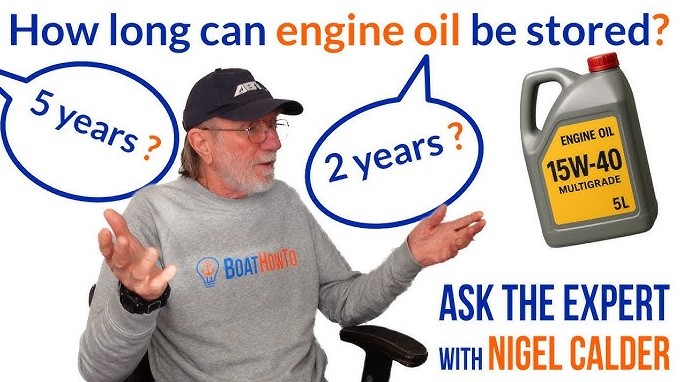
How Long Does Unopened Motor Oil Last?
Unopened motor oil lasts 3 to 5 years in proper storage.
Store it:
-
In a cool place
-
Away from sunlight
-
With the cap tightly sealed
Opened bottles last about 1 to 2 years if sealed well.
Always check for unusual smell or thick texture before use.
Real Data From Modern Vehicles
Many modern sedans recommend 7,500 to 10,000 mile oil change intervals with synthetic oil. Heavy-duty trucks often recommend 5,000 to 7,500 miles depending on load.
High-performance engines may require shorter intervals due to high heat. Turbocharged engines stress oil more. They may need changes sooner than non-turbo engines.
How to Make Motor Oil Last Longer?
Simple habits extend oil life:
-
Use the correct viscosity grade
-
Keep engine air filter clean
-
Avoid constant short trips
-
Fix oil leaks quickly
-
Maintain proper coolant levels
Clean engines contaminate oil less. Stable engine temperature protects oil quality.
FAQs
Can synthetic oil really last 10,000 miles?
Yes, many vehicles allow 7,500 to 10,000 miles with full synthetic oil under normal driving conditions.
Does dark oil always mean it is bad?
Not always. Oil darkens as it cleans the engine. Thickness and mileage matter more than color alone.
Can I mix synthetic and conventional oil?
Yes, but performance may decrease. Use the same type for best results.
Is it safe to exceed the recommended interval?
Exceeding the interval increases wear risk. Follow your owner’s manual for best protection.
Does oil expire inside the engine even if I do not drive much?
Yes. Moisture and air exposure reduce oil quality over time.
Conclusion
Motor oil life depends on miles, time, oil type, and driving habits. Conventional oil lasts about 3,000 to 5,000 miles. Synthetic oil often lasts 7,500 to 10,000 miles. Heavy traffic, short trips, and extreme weather reduce oil life faster.
Regular checks and timely changes protect the engine, improve performance, and reduce repair costs. Small maintenance steps today keep your vehicle strong for years.