
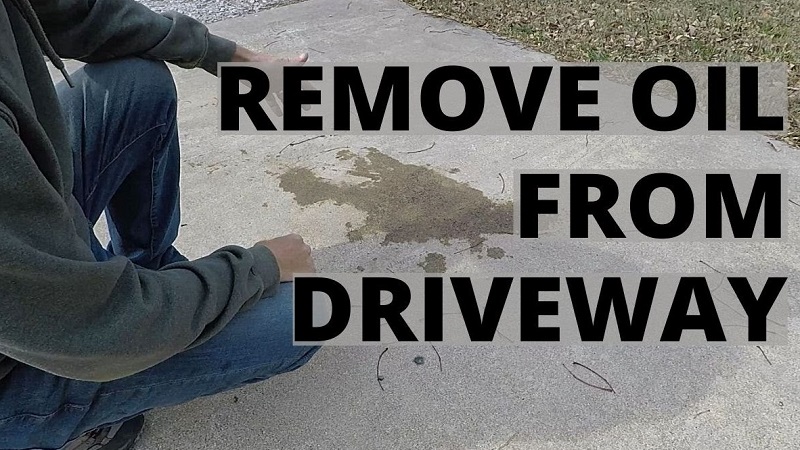
Dark motor oil stains can ruin the clean look of a driveway and signal neglect to neighbors and guests. Fresh drips from a car engine spread quickly across concrete and sink deep into tiny pores. Ordinary rain will not wash that mess away, and a quick splash of water often spreads the stain even farther.
Smart homeowners tackle the problem early with simple tools and a clear method. The right approach lifts oil from the surface, breaks down greasy residue, and restores the driveway’s original color.
Household items, a bit of scrubbing, and patience can defeat even stubborn spots. This guide explains practical steps that remove motor oil without expensive equipment or harsh chemicals.
Each tip focuses on speed, effectiveness, and driveway safety. A clean driveway boosts curb appeal and protects concrete from long-term damage. Clear instructions ahead will help you erase ugly oil marks and keep your driveway spotless.
How to Remove Motor Oil from Driveway?
Dark motor oil stains make a driveway look dirty and neglected. A small drip from a car can create a large black mark on concrete or asphalt. Oil spreads fast. It also sinks into the surface. Many homeowners struggle to remove these stains because oil bonds strongly with driveway materials.
Concrete and asphalt contain tiny pores. Motor oil flows into those pores and sticks inside. Sun heat and tire pressure push the oil deeper. A simple rinse with water rarely removes the stain.
Strong cleaning methods help break down the oil and lift it from the surface. Household cleaners work well for fresh spills. Older stains may require deeper cleaning steps.
This guide explains how to remove motor oil from a driveway with clear methods and detailed steps. Each method uses simple tools. Clear explanations help you understand why each step works.
Why Motor Oil Stains a Driveway So Easily?
Driveway materials contain microscopic holes and rough textures. Concrete contains small air pockets that absorb liquids. Asphalt contains petroleum products that interact with motor oil.
Oil spreads across the surface and enters these pores quickly. A single tablespoon of oil can cover more than one square foot of concrete.
Several factors make stains worse:
-
Heat from sunlight softens asphalt and opens pores in concrete
-
Vehicle weight pushes oil deeper into the surface
-
Dirt sticks to oil and makes the stain darker
-
Time allows oil molecules to bond with the material
Fresh stains remain near the top of the surface. Old stains move deeper into the pores. Deep stains require stronger cleaning methods.
Types of Driveway Surfaces and How Oil Affects Them
Different driveway materials react to oil in different ways.
Concrete Driveways
Concrete acts like a sponge. Small pores absorb liquids easily. Oil stains often appear dark brown or black on concrete. Fresh stains stay near the surface. Old stains move deeper and require repeated cleaning.
Asphalt Driveways
Asphalt already contains petroleum compounds. Motor oil softens the surface and blends into the material. Oil stains appear shiny or very dark. Heavy oil spills can weaken asphalt and create soft spots.
Paver or Brick Driveways
Pavers contain joints filled with sand. Oil can seep into both the brick surface and the joint sand. Individual pavers allow easier cleaning because a damaged piece can be replaced.
Tools and Materials That Help Remove Oil Stains
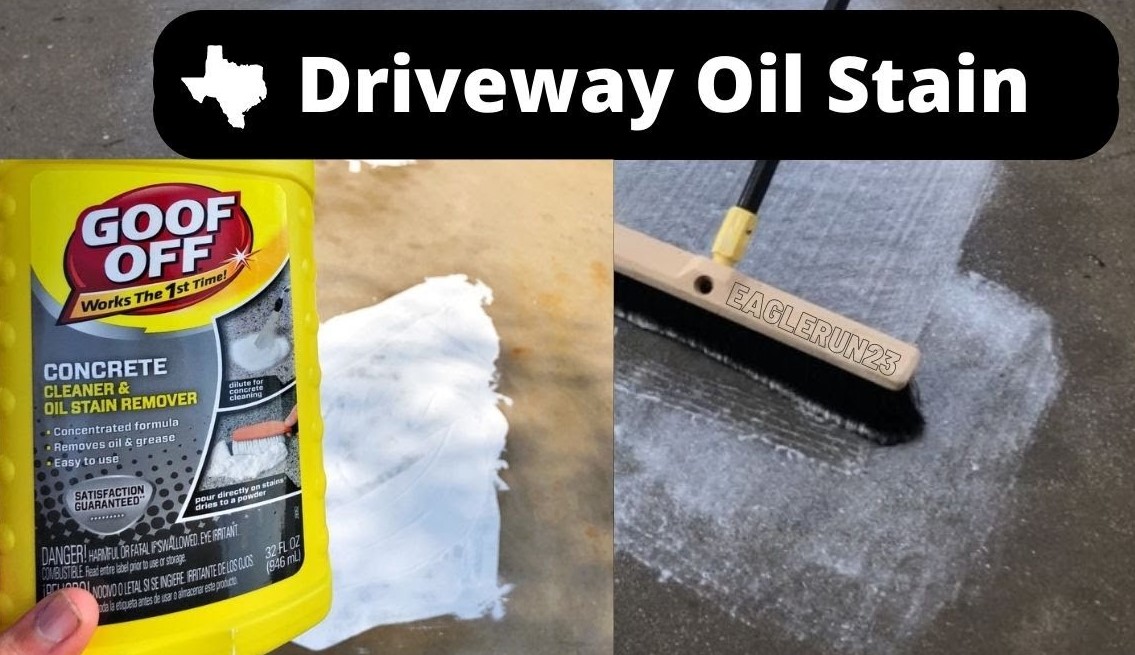
Many simple household products break down oil.
Common cleaning materials include:
-
Dish soap or liquid detergent
-
Baking soda
-
Powdered laundry detergent
-
Cat litter or sawdust
-
Cornstarch
-
Degreaser
-
Stiff scrub brush
-
Hot water
-
Bucket
-
Garden hose
Each item serves a purpose. Absorbents soak up oil. Soap and detergent break down grease. Scrubbing lifts the oil from the pores.
Step-by-Step Method to Remove Motor Oil from Driveway
Step 1: Absorb Fresh Oil Immediately
Fresh oil spills require fast action. Pour a thick layer of cat litter, sawdust, or baking soda over the spill. Cover the stain completely. Press the material gently with your foot or a piece of cardboard.
The absorbent pulls oil out of the surface. Leave the material in place for 30 to 60 minutes. Larger spills may require several hours.
Sweep the material into a dustpan and dispose of it properly. Large oil spills may require two rounds of absorption.
Step 2: Apply Dish Soap to Break Down Grease
Dish soap removes grease from cooking pans. The same property helps break down motor oil. Pour a generous amount of dish soap directly on the stain. Spread the soap across the entire area. Use a stiff brush to scrub the surface.
Strong circular motions work best. Scrubbing pushes the soap deep into the concrete pores. The soap molecules surround the oil particles and loosen them from the surface. Allow the soap to sit for about 15 minutes.
Step 3: Scrub With Hot Water
Hot water improves the cleaning process. Heat helps dissolve thick oil and grease. Warm liquid moves faster into small pores.
Pour hot water slowly over the stained area. Continue scrubbing with the brush. Watch the water turn gray or brown. That color shows oil lifting from the driveway. Repeat the scrubbing process two or three times.
Step 4: Use Baking Soda or Powdered Detergent for Deeper Cleaning
Some stains remain after soap cleaning. Baking soda or laundry detergent helps break down heavier oil. Sprinkle baking soda or powdered detergent directly over the stain. Add a small amount of water.
Mix the powder and water into a thick paste. Spread the paste across the stain. Cover the entire area.
Scrub again with the brush. Leave the mixture on the driveway for 30 to 60 minutes. The powder absorbs remaining oil and breaks down grease. Rinse the area with warm water.
Step 5: Apply a Degreaser for Stubborn Oil Stains
Old stains often require stronger cleaners. Degreasers contain chemicals that break apart oil molecules. The cleaner separates oil from the concrete surface.
Pour the degreaser directly on the stain. Spread it evenly. Scrub the area with a stiff brush for several minutes. Allow the cleaner to sit for 15 to 30 minutes. Rinse thoroughly with water. Deep stains may require two or three applications.
Heavy-Duty Cleaning Method for Old Oil Stains
Very old stains sometimes remain after basic cleaning. A stronger method works better. Mix powdered laundry detergent with warm water to create a thick paste.
Spread the paste across the entire stain. Cover the spot with plastic sheet or plastic wrap. The cover slows evaporation and allows the cleaner to work longer.
Leave the mixture overnight. Remove the plastic the next day and scrub the area again. Rinse thoroughly with water. This deep treatment pulls oil out of the deepest pores.
Pressure Washing for Oil Stain Removal
Pressure washing improves the final cleaning stage. High-pressure water forces oil and soap residue out of small pores.
A pressure washer typically sprays water between 1500 and 3000 PSI. That force removes dirt, grease, and loose oil particles.
Apply soap or degreaser before pressure washing. Water pressure alone rarely removes heavy oil stains. Move the spray slowly across the surface for the best results.
Natural Absorbents That Help Remove Oil
Several natural materials absorb oil well.
Common absorbents include:
-
Cornstarch
-
Baking soda
-
Sand
-
Sawdust
-
Clay cat litter
These materials contain tiny particles that trap oil molecules. Many mechanics use cat litter because it absorbs large amounts of oil quickly. A thick layer improves absorption.
How Long Oil Stains Last on a Driveway?
Oil stains can remain visible for a long time. Fresh stains often fade within a few hours after cleaning. Older stains may take several days or repeated cleaning cycles.
Deep stains may remain slightly visible for months. Sunlight and rain slowly lighten the stain over time. Regular cleaning helps remove remaining oil particles.
Common Mistakes That Make Oil Stains Worse
Several cleaning habits make stains harder to remove.
Common mistakes include:
-
Rinsing with water before using absorbent material
-
Scrubbing without grease-cutting soap
-
Waiting too long before cleaning the spill
-
Using weak brushes that cannot reach surface pores
Fast cleanup always produces better results.
How to Prevent Future Oil Stains?
Small prevention steps protect your driveway. Place a drip tray under vehicles that leak oil. Repair engine leaks as soon as possible. Clean small drips immediately with paper towels or absorbent powder.
Driveway sealing also helps prevent stains. A concrete sealer creates a protective layer on the surface. Oil remains on top instead of soaking into the pores. Many sealers last two to five years depending on weather and traffic.
FAQs
What removes motor oil from concrete the fastest?
Cat litter or baking soda removes fresh oil quickly by absorbing the liquid. Dish soap and hot water help break down the remaining grease.
Does baking soda really remove oil stains?
Yes. Baking soda absorbs oil and lifts grease from concrete surfaces. Scrubbing improves the cleaning effect.
Can very old oil stains disappear completely?
Deep stains often fade but may leave a light shadow. Multiple cleaning cycles help remove most of the oil.
Does gasoline remove oil stains?
Gasoline dissolves oil but creates safety risks and strong fumes. Safer cleaners like dish soap or degreasers work better for home use.
Does sealing a driveway prevent oil stains?
Yes. Sealers create a protective layer that blocks liquids from entering the concrete pores.
Conclusion
Motor oil stains develop quickly on driveway surfaces because oil spreads and sinks into tiny pores. Fresh spills remove easily with absorbent materials and dish soap. Older stains require deeper cleaning with baking soda, detergent, or degreasers.
Scrubbing and hot water help pull oil out of the surface. Pressure washing improves final results. Quick cleanup prevents deep stains and keeps the driveway clean.
Regular maintenance and driveway sealing reduce future stains. Simple care keeps the surface looking neat and well maintained for many years.