
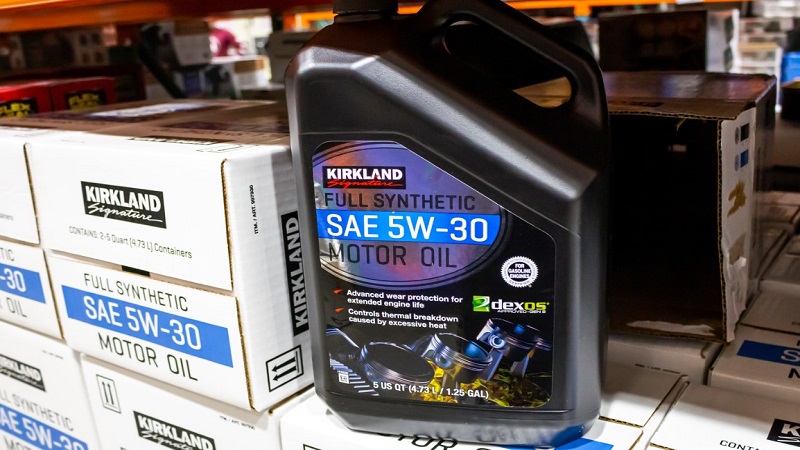
Kirkland motor oil has gained attention for its reputation as an affordable yet high-quality option for car owners. Car enthusiasts and everyday drivers alike often question whether this Costco brand meets the rigorous demands of modern engines.
Kirkland claims to offer full synthetic and conventional oils that protect engines, reduce wear, and maintain smooth performance under various driving conditions. Independent tests and user reviews highlight its ability to handle high temperatures and long mileage, giving drivers confidence in extended oil change intervals.
The oil’s balance of price and performance makes it a contender against well-known premium brands. Understanding its formulation, certifications, and real-world results helps drivers make informed decisions for their vehicles.
This guide explores Kirkland motor oil’s strengths, potential drawbacks, and suitability for different engines, helping readers assess if it truly delivers value without compromising engine health.
Is Kirkland Motor Oil Good?
Kirkland motor oil is Costco’s in-house oil brand. Many drivers trust big-name oils like Mobil 1 or Castrol. Still, Kirkland is gaining attention for its balance of price and quality. Engine oil is not just “liquid.”
It protects engine parts, reduces friction, cools the engine, and prevents sludge build-up. Using the wrong oil can shorten engine life or reduce fuel efficiency.
Kirkland oil offers synthetic and synthetic blend options. This guide will explain its types, performance, benefits, and potential limits. It also compares how it performs in daily use, extreme temperatures, and long mileage. By the end, drivers can decide if Kirkland oil is right for their car.
What Is Kirkland Motor Oil?
Kirkland Signature motor oil comes in multiple grades, such as 5W-30, 10W-30, and 5W-20.
-
“5W” means the oil flows easily at low temperatures. It is important for cold starts in winter.
-
“30” shows oil thickness at high engine temperature. Higher numbers mean thicker oil for heat protection.
Kirkland oil uses full synthetic technology. Synthetic oil is chemically engineered. It resists breaking down and forms a protective layer on engine parts. This prevents friction, wear, and heat damage better than conventional oils.
Key Features of Kirkland Motor Oil
1. Meets Industry Standards
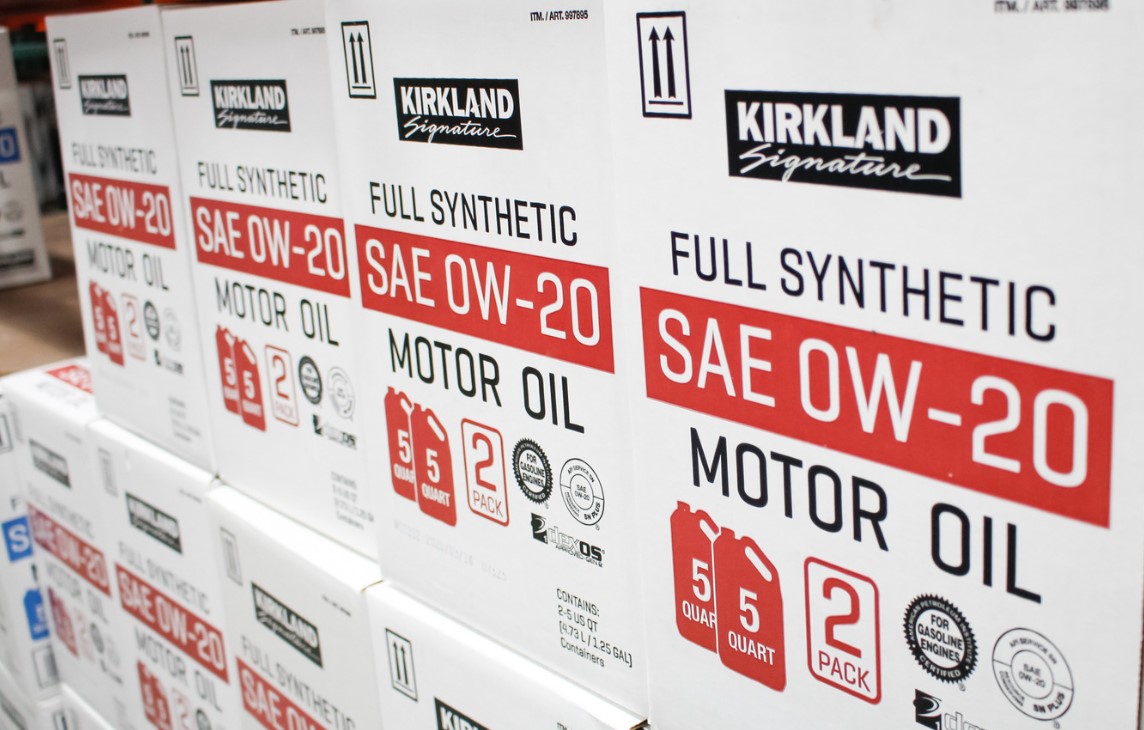
Kirkland oils carry API SN, SM, or SP certifications. These letters show compliance with American Petroleum Institute rules. The certifications confirm:
-
Engine protection against wear
-
Oxidation resistance
-
Low sludge and deposit formation
The oil also meets ILSAC GF-6 standards, which is important for fuel efficiency and modern engines.
2. Performance in Extreme Temperatures
Full synthetic oils handle extremes better than conventional oil. Kirkland oil:
-
Flows quickly in cold weather, helping fast lubrication on startup
-
Maintains viscosity in high heat, keeping engine parts protected
-
Reduces risk of oil breakdown in stop-and-go traffic or hot climates
3. Long-Lasting Mileage
Kirkland full synthetic oil can last 7,500 to 10,000 miles per oil change. Conventional oils often last only 3,000–5,000 miles. Extended life reduces cost per mile and helps prevent engine deposits.
4. Engine Cleanliness and Wear Protection
Synthetic oils form a thin but strong protective layer on pistons, valves, and bearings. This:
-
Reduces friction
-
Prevents metal-to-metal contact
-
Keeps engines cleaner for better fuel efficiency
Some drivers report 10–15% less sludge after switching from conventional oil to Kirkland synthetic.
Types of Kirkland Motor Oil
Kirkland oil is mainly available in two types:
1. Full Synthetic Motor Oil
-
Best for modern cars with high-performance engines
-
Handles extreme temperatures
-
Provides maximum wear protection
-
Recommended for cars with long oil change intervals
2. Synthetic Blend Motor Oil
-
Mix of conventional and synthetic oil
-
Lower cost than full synthetic
-
Offers better protection than regular oil
-
Suitable for older engines or cars that do not require full synthetic
Detailed Pros and Cons
Pros
-
Affordable compared to premium brands
-
Meets API SN and ILSAC GF-6 standards
-
Works in very cold or very hot weather
-
Reduces engine wear and prevents sludge build-up
-
Long-lasting oil life saves money over time
Cons
-
Some luxury or high-performance cars may require specialized oils
-
Fewer high-mileage or racing-specific formulas than brands like Mobil 1
-
Limited availability outside Costco stores
Real-World Data
Studies and customer reports show:
-
Price per quart: Around $4–$5, compared to $7–$9 for Mobil 1 or Castrol synthetic
-
Oil change interval: Full synthetic lasts up to 10,000 miles, blend lasts 5,000–7,500 miles
-
Engine protection: Tests show similar wear protection to Mobil 1 in standard vehicles
-
Cold start viscosity: 5W-30 Kirkland flows under 0°F (-17°C) without major delay
Drivers report that Kirkland oil works well for:
-
Daily commuters
-
Family vehicles
-
Light trucks
-
Vehicles in cold and hot climates
Extra Tips for Using Kirkland Motor Oil
-
Always follow the car manual for recommended oil type and grade
-
Replace oil filter with every oil change
-
Check oil level every 1,000 miles
-
Store oil in a cool, dry place away from sunlight
Comparison with Other Brands
| Feature | Kirkland Full Synthetic | Mobil 1 | Castrol GTX |
|---|---|---|---|
| API Rating | SN/SP | SN/SP | SN/SM |
| Cold Start | Good | Excellent | Good |
| Heat Protection | Very Good | Excellent | Good |
| Price per Quart | $4–5 | $7–9 | $6–8 |
| Mileage per Oil Change | 7,500–10,000 | 7,500–10,000 | 5,000–7,500 |
| Sludge Control | High | High | Medium |
Kirkland performs very close to premium brands in most standard driving conditions.
Final Thoughts
Kirkland motor oil is a reliable, affordable option. It protects engines, reduces sludge, and handles cold and hot weather. Drivers can save money without sacrificing quality. For everyday cars and light trucks, Kirkland meets or exceeds industry standards.
Full synthetic oil offers long-lasting performance, while synthetic blends suit older cars. Choosing the correct grade ensures smooth engine operation and longer engine life. Kirkland oil proves to be a practical and cost-effective choice for many drivers.
FAQs
1. Can Kirkland oil damage my engine?
No, as long as the oil grade matches your car manual and API rating is correct.
2. How long can Kirkland oil last?
Full synthetic can last 7,500–10,000 miles. Synthetic blend lasts 5,000–7,500 miles.
3. Is Kirkland cheaper than other brands?
Yes, it costs around $4–5 per quart compared to $7–9 for premium brands.
4. Can Kirkland oil be used in cold climates?
Yes, 5W oils flow well at very low temperatures, protecting the engine during cold starts.
5. Do I need a special filter for Kirkland oil?
No, any quality filter that fits your car works well with Kirkland oil.
6. Is Kirkland oil good for older cars?
Yes, synthetic blend is especially suitable for older engines.