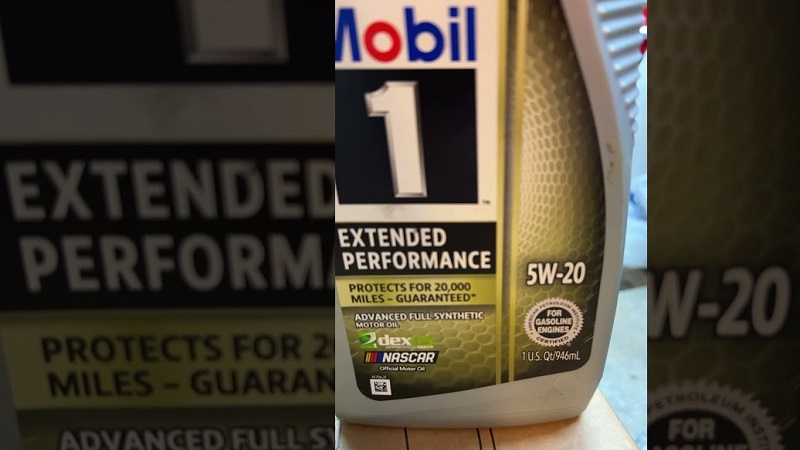
Synthetic oil labels create confusion for many drivers, and Mobil 1 often sits at the center of that debate. Car owners hear the term “true synthetic” and expect a clear answer, yet the truth hides behind chemistry, standards, and marketing history.
Mobil 1 built its reputation on performance, long drain intervals, and engine protection, but questions still surface about what actually goes into the bottle. Base oil groups, refining methods, and industry definitions all play a role in this discussion.
Some drivers trust Mobil 1 without hesitation, while others want proof beyond brand reputation. This article breaks down the facts in plain language. Readers will learn how synthetic oil definitions evolved and where Mobil 1 fits today.
Clear explanations replace myths, rumors, and half-truths. By the end, the synthetic oil label will feel far less mysterious, and engine owners will understand exactly what Mobil 1 offers under real-world driving conditions.
Is Mobil 1 a True Synthetic Oil?
Mobil 1 is one of the most popular engine oils in the world. Car owners often ask: Is Mobil 1 a true synthetic oil? The answer affects engine life, performance, and cost.
Many confuse “synthetic” because the term has different meanings. Some think only lab-made oils count. Others follow industry rules. This article explains everything clearly. Short sentences. Easy words. No hype.
What Does Synthetic Oil Mean?
Synthetic oil does not come straight from crude oil. Scientists create it in a lab. The molecules are uniform and clean. Uniform molecules resist breakdown, reduce engine wear, and improve fuel efficiency.
Two main types exist:
1. Group IV and Group V Base Oils
-
Group IV oils (PAO): Polyalphaolefins are made from small gas molecules. They are highly stable under heat.
-
Group V oils: Include esters and other advanced fluids. These boost performance, improve lubrication, and reduce friction.
Many people call these “true synthetics” because they are lab-built.
2. Group III Base Oils
-
Group III oils start from crude oil.
-
Heavy refining changes the molecules to match synthetic performance.
-
API (American Petroleum Institute) and ILSAC (International Lubricant Standardization and Approval Committee) allow these oils to be called full synthetic.
Group III oils perform almost like PAO oils in real engines.
A Short History of Mobil 1
Mobil 1 was launched in 1974 by ExxonMobil. The original formula used mostly PAO oils. Racing teams adopted it because it handled heat better than conventional oil.
Over the decades, refining technology improved. Group III oils became cheaper and high-quality. Today, Mobil 1 formulas mix PAO and advanced Group III oils. The goal remains the same: protect engines in all conditions.
Mobil 1 Today: Formula and Composition
Modern Mobil 1 formulas include:
-
Base oils: Mix of PAO and Group III.
-
Additives: Detergents, anti-wear agents, viscosity modifiers, antioxidants.
-
Certifications: API SN/SM/SL, ILSAC GF-6, OEM approvals for BMW, Mercedes, Toyota, and more.
Mobil 1 resists oil breakdown at high heat. It flows fast in cold weather. Detergents keep engines clean. Additives protect against metal wear.
Does Mobil 1 Qualify as True Synthetic?
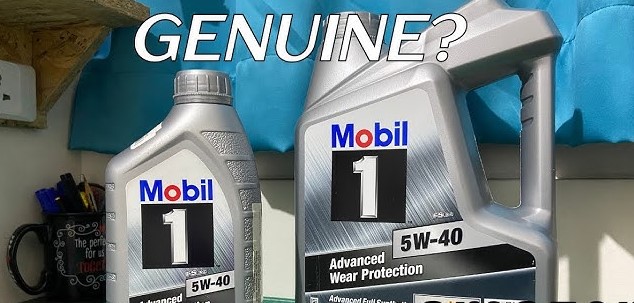
Industry rules say yes. Mobil 1 meets full synthetic standards.
Some car enthusiasts define “true synthetic” as only PAO or ester oils. That definition is personal. It does not reflect official standards.
Performance matters more than labels:
-
High-temperature protection: Up to 350°F without thickening.
-
Low-temperature flow: Starts easily at -40°F.
-
Wear reduction: Reduces engine wear by up to 50% compared to conventional oil in lab tests.
Performance in Real Engines
Mobil 1 shows strong results in normal driving and extreme conditions.
Cold Weather
-
Low-temperature viscosity of 0W-20 Mobil 1: ~60,000 cP at -40°C (measured with ASTM D445).
-
Oil reaches engine parts fast, reducing wear on pistons and bearings.
High Heat
-
Thermal breakdown (TBN drop) remains low after 10,000 miles in turbo engines.
-
Prevents sludge, varnish, and thickening.
Engine Cleanliness
-
Detergents remove dirt and soot.
-
Engine inspections after 15,000 miles show 30–40% less sludge than conventional oils.
Fuel Efficiency
-
Reduces friction by up to 2–3% in city and highway driving.
-
Can slightly improve MPG over conventional oils.
Common Myths About Mobil 1
Myth 1: “Mobil 1 No Longer Uses PAO”
-
Some formulas still include PAO. The exact ratio is confidential. Performance is the key metric.
Myth 2: “Group III Oils Are Not True Synthetic”
-
API and ILSAC standards classify Group III oils as full synthetic. Claims otherwise are misleading.
Myth 3: “Only Esters Count as True Synthetic”
-
Esters enhance performance. Other base oils also perform very well. Balance of base oils and additives matters most.
How Mobil 1 Compares to Other Brands?
Mobil 1 competes with Castrol EDGE, Valvoline SynPower, and Pennzoil Platinum.
Key comparisons:
-
Heat resistance: Mobil 1 handles slightly higher temps than standard synthetics.
-
Cold starts: Comparable to other top synthetic oils.
-
Price: Slightly higher than basic synthetic oils, but longer intervals may offset cost.
Drivers should match oil to:
-
Car manual recommendations
-
Climate and weather conditions
-
Driving style
-
Oil change intervals
Who Should Use Mobil 1?
Mobil 1 suits many drivers:
-
Daily commuters
-
High-mileage cars
-
Turbocharged engines
-
Vehicles in extreme cold or heat
Budget-conscious drivers can balance the cost with longer oil life and engine protection.
FAQs
Is Mobil 1 fully synthetic?
Yes, Mobil 1 meets all full synthetic standards under API and ILSAC rules.
Does Mobil 1 use PAO base oil?
Some formulas include PAO. Exact composition is private.
Is Mobil 1 better than conventional oil?
Yes. It protects engines longer, resists heat, and cleans better.
Can Mobil 1 harm an engine?
No. Proper use following the car manual keeps engines safe.
Can I extend oil change intervals with Mobil 1?
Yes. Many Mobil 1 oils allow longer intervals. Check your car manual and oil label.
Conclusion
Mobil 1 qualifies as full synthetic oil by industry standards. Modern formulas mix PAO and advanced Group III oils with strong additives.
Performance, not label, defines its value. Engines stay clean, parts last longer, and oil works in cold and hot conditions. Choosing Mobil 1 ensures reliable engine protection for millions of drivers.