
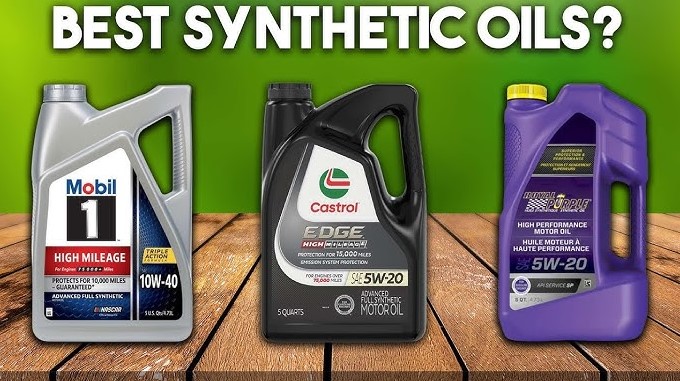
Drivers argue about motor oil for good reason. Oil choice shapes engine life, fuel efficiency, and daily performance. Mobil 1 and Castrol dominate garages, racetracks, and store shelves worldwide.
Both brands promise protection, power, and peace of mind, yet real differences exist. Mobil 1 focuses on advanced synthetic formulas that handle heat, stress, and long drain intervals. Castrol builds its reputation on strong additives, smooth performance, and broad vehicle compatibility.
Marketing claims sound bold, so clear facts matter more than slogans. Drivers want answers about wear control, engine cleanliness, and value for money. This comparison breaks down performance, technology, and real-world use without hype. Real driving conditions, not lab buzzwords, guide the discussion.
Car owners gain clarity on which oil fits driving style, climate, and budget. The question is mobil 1 better than castrol deserves a straight, practical answer. Readers leave with confidence and facts that support smarter maintenance decisions today across vehicles everywhere.
Is Mobil 1 Better than Castrol?
Mobil 1 and Castrol sit at the top of the engine oil market. Millions of drivers use these oils every day. Mechanics debate them often. Car forums discuss them daily. One question stays common. Is Mobil 1 better than Castrol?
The answer depends on oil chemistry, engine needs, and driving style. This article explains every detail in clear language. Short sentences. Real-world facts. No hype. Just information.
How Engine Oil Works?
Engine oil performs several critical jobs at the same time. Lubrication comes first. Cooling follows. Cleaning matters just as much. Protection against corrosion also plays a role.
Oil forms a thin film between moving parts. This film reduces friction. Less friction means less heat. Less heat means less wear. Oil also carries dirt to the filter. Clean oil keeps engines alive longer. Oil quality affects all these tasks.
Synthetic Oil Explained
Synthetic oil uses engineered molecules. These molecules stay uniform in size. Uniform size creates stable flow. Stable flow improves protection.
Conventional oil uses natural crude oil. Molecule sizes vary. Heat breaks these molecules faster. Synthetic oil resists this breakdown.
Mobil 1 relies almost fully on synthetic technology. Castrol uses synthetic, semi-synthetic, and mineral options.
Base Oil Groups Breakdown
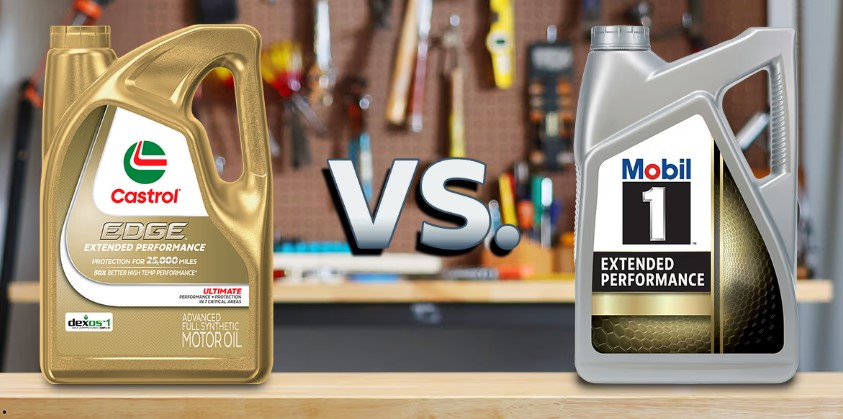
Oil base stocks fall into groups.
Group I and II come from refined crude oil. These appear in conventional oils.
Group III comes from highly refined crude oil. Many brands label this as synthetic.
Group IV uses PAO synthetic base stocks. These resist heat very well.
Group V includes ester-based oils. These improve lubrication and cleaning.
Mobil 1 uses Group IV and Group V bases in many products. Castrol often uses Group III in standard synthetics and higher groups in premium lines.
This difference affects durability.
Heat Resistance Data
Heat damages oil faster than time. Engine temperatures reach over 200°F during normal driving. Turbo engines exceed 300°F near bearings.
Mobil 1 oils resist oxidation at high heat. Oxidation thickens oil. Thick oil flows poorly. Mobil 1 slows this process.
Castrol premium synthetics also resist oxidation well. Standard blends show faster thickening under heat stress.
Long highway driving favors Mobil 1. Short city driving shows less difference.
Cold Start Protection
Cold starts cause most engine wear. Oil thickens at low temperatures. Slow flow increases metal contact.
Mobil 1 flows quickly at low temperatures. Cold cranking tests show faster lubrication during startup.
Castrol performs well in moderate climates. Premium Castrol synthetics match Mobil 1 in cold flow. Lower-tier blends flow slower.
Cold climate drivers notice this difference more.
Viscosity Retention Over Time
Viscosity defines oil thickness. Engines need stable viscosity.
Mobil 1 holds viscosity longer. Shear stability tests show slower thinning under stress.
Castrol viscosity retention depends on formula. Full synthetics hold up well. Blends thin faster during extended use.
Stable viscosity protects bearings and camshafts.
Wear Protection Measurements
Wear tests measure metal loss over time. Lower numbers indicate better protection.
Mobil 1 shows low wear rates in high-load testing. Film strength remains strong under pressure.
Castrol shows excellent wear control during stop-and-go testing. City conditions favor its additive balance.
Performance engines stress oil harder. Mobil 1 handles this stress better.
Additive Chemistry Explained
Oil additives control performance.
Detergents keep engines clean. Dispersants suspend dirt. Anti-wear agents protect metal surfaces. Friction modifiers improve efficiency.
Mobil 1 balances additives for long-term stability. Less additive drop-off occurs over time.
Castrol uses strong detergents. Cleaning power remains a core strength. Engines with prior sludge benefit.
Too many additives can reduce oil life. Balance matters.
Sludge Formation Control
Sludge blocks oil passages. It forms from heat, moisture, and dirt.
Mobil 1 resists sludge formation due to oxidation control. Clean engines stay clean longer.
Castrol actively removes existing sludge. Gradual cleaning restores oil flow.
Neglected engines respond better to Castrol at first. Well-maintained engines benefit more from Mobil 1.
Fuel Economy Impact Data
Reduced friction improves fuel economy. Oil viscosity plays a role.
Mobil 1 reduces internal resistance slightly more. Long highway trips show better gains.
Castrol supports steady efficiency in city driving.
Fuel savings remain small. Over thousands of miles, savings add up.
Oil Consumption Rates
Oil consumption increases with age and heat.
Mobil 1 low volatility reduces burn-off. Less oil loss occurs at high temperatures.
Castrol high mileage oils reduce consumption through thicker formulas.
Turbo engines benefit from Mobil 1 volatility control.
Oil Change Interval Science
Oil degrades through heat and contamination.
Mobil 1 supports extended intervals due to oxidation resistance. Many users safely reach 8,000 to 10,000 miles under normal use.
Castrol full synthetics handle extended use well. Blends require shorter intervals.
Driving habits control real results.
Engine Noise and Vibration
Oil affects sound and smoothness.
Mobil 1 reduces friction noise at high RPM. Smoothness improves under load.
Castrol reduces ticking and roughness in older engines. Seal conditioners help.
Noise changes appear gradually.
High Mileage Engine Behavior
Older engines develop wider clearances.
Mobil 1 high mileage oils protect worn parts. Seal conditioners slow leaks.
Castrol high mileage oils thicken slightly. Oil burn reduces.
Castrol often suits aging engines better.
Environmental Considerations
Longer oil life reduces waste oil.
Mobil 1 contributes less waste through extended intervals.
Castrol cleaning reduces emissions by restoring combustion efficiency.
Environmental impact depends on maintenance discipline.
Manufacturer Approvals Explained
Car makers test oils extensively.
Mobil 1 meets many high-performance approvals. European standards often require strong heat resistance.
Castrol meets broad approvals across many vehicle types.
Approval lists reflect oil design focus.
Real-World Use Cases
Performance cars favor Mobil 1. Turbo engines, sports cars, and long highway driving benefit.
Daily commuters favor Castrol. Short trips, traffic, and older engines see good results.
Driving style decides value.
Pros and Cons Expanded
Mobil 1 Pros
-
Excellent heat resistance
-
Strong cold start flow
-
Long oil life
-
Low volatility
-
Stable viscosity
Mobil 1 Cons
-
Higher price
-
Less focus on cleaning neglected engines
Castrol Pros
-
Strong cleaning action
-
Wide product variety
-
Better options for older engines
-
Competitive pricing
Castrol Cons
-
Performance varies by product
-
Some blends degrade faster
FAQs
Is Mobil 1 scientifically better than Castrol?
Mobil 1 excels in thermal stability and longevity. Castrol excels in cleaning and versatility.
Which oil lasts longer?
Mobil 1 usually lasts longer under the same conditions. Formula choice matters.
Does Castrol damage engines?
Castrol protects engines well when used correctly. Oil type must match engine needs.
Do mechanics prefer one brand?
Mechanic preference depends on vehicle type. Performance shops often prefer Mobil 1. General repair shops use Castrol often.
Can switching brands cause problems?
Switching causes no harm when viscosity matches manufacturer specs.
Conclusion
Mobil 1 and Castrol both deliver strong engine protection. Mobil 1 focuses on performance, heat resistance, and long oil life.
Castrol focuses on cleaning, flexibility, and daily driving needs. Oil choice depends on engine condition, climate, and driving habits. The better oil matches the engine, not the logo.