

Engines work hard every time you turn the key. Heat builds fast, metal parts move at high speed, and friction never takes a break. Oil protects those parts and keeps your engine alive.
Many drivers now ask a simple question: is synthetic motor oil better than regular oil? Synthetic oil flows smoothly in cold weather and stays stable under extreme heat. It fights sludge, resists breakdown, and keeps internal parts cleaner for longer miles.
Conventional oil costs less, but it breaks down faster and needs more frequent changes. Car makers often recommend synthetic oil for modern engines because tight tolerances demand stronger protection.
Your driving style, climate, and budget also affect this choice. City traffic, long highway trips, and heavy loads all put stress on oil. Clear facts help you decide what truly protects your engine and saves money over time.
Is Synthetic Motor Oil Better?
Many drivers ask one simple question. Is synthetic motor oil better than regular oil? Cars cost a lot of money. Engines cost even more. Oil plays a big role in engine life. The right oil can reduce wear, control heat, and keep parts clean.
Synthetic motor oil has grown popular over the last 20 years. Big brands such as Mobil 1 from ExxonMobil, Castrol from BP, and Valvoline from Valvoline sell many synthetic options. Many new cars even require synthetic oil from the factory.
This guide explains everything in simple words. You will learn how synthetic oil works, how it compares to conventional oil, and if it is worth your money.
What Is Synthetic Motor Oil?
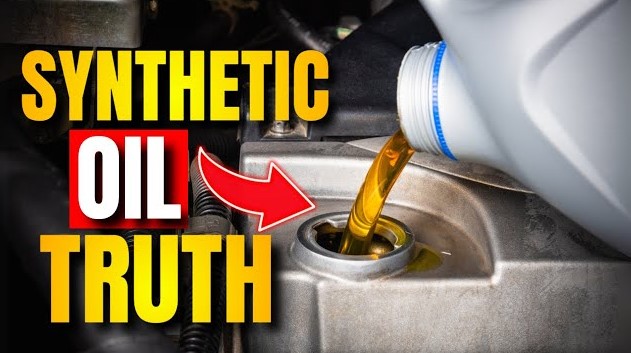
Synthetic motor oil is a man-made lubricant. Scientists design it in a lab. They control the size and shape of the oil molecules. This control makes the oil more stable.
Regular oil, also called conventional oil, comes from crude oil taken from the ground. Workers refine it, but its molecules are not uniform. Some molecules are small. Some are large. This mix can break down faster under heat and stress.
Synthetic oil uses either fully synthetic base stocks or a blend of synthetic and conventional oil. Full synthetic oil offers the highest level of protection.
How Synthetic Oil Works Inside the Engine?
Your engine has many moving parts. Pistons move up and down. Crankshafts spin fast. Valves open and close thousands of times each minute.
Oil does three main jobs:
-
Lubricates moving parts
-
Reduces heat
-
Cleans dirt and sludge
Synthetic oil flows faster at cold temperatures. It also stays thick enough at high heat. This balance helps protect metal parts from rubbing directly against each other.
Synthetic vs Conventional Oil: Key Differences
1. Performance in Hot Weather
Engines get very hot. Heat can break down regular oil faster. Synthetic oil resists heat better. It keeps its structure even at high temperatures.
Drivers in hot climates often see better protection with synthetic oil.
2. Performance in Cold Weather
Cold starts cause heavy engine wear. Oil thickens in low temperatures. Thick oil moves slowly.
Synthetic oil flows quickly even in cold weather. It reaches engine parts faster. Faster flow means better protection during startup.
3. Engine Cleanliness
Regular oil can form sludge over time. Sludge blocks oil passages and reduces performance.
Synthetic oil contains strong cleaning additives. It helps prevent sludge buildup. Many lab tests show cleaner engine parts after long use.
4. Oil Change Interval
Conventional oil often needs a change every 3,000 to 5,000 miles. Synthetic oil can last 7,500 to 10,000 miles or more. Some car makers allow even longer intervals.
Always check your owner’s manual. Car makers like Toyota from Toyota and Ford from Ford Motor Company often recommend synthetic oil for modern engines.
Longer intervals save time. Fewer oil changes reduce labor cost.
Is Synthetic Oil Better for Modern Engines?
Modern engines run hotter and use tighter tolerances. Turbocharged engines spin very fast. Direct injection systems create more stress.
Synthetic oil handles this stress better. Many turbo engines require full synthetic oil to prevent damage.
Car makers design newer engines with synthetic oil in mind. Using conventional oil in these engines can reduce protection.
Cost Comparison
Synthetic oil costs more per quart. A synthetic oil change may cost almost double compared to regular oil.
Yet the total cost over time may balance out.
-
Fewer oil changes
-
Better fuel efficiency
-
Reduced engine wear
Better protection may reduce repair costs in the long run.
Higher price at first. Possible savings later.
Fuel Economy and Performance
Synthetic oil reduces friction more than regular oil. Lower friction helps the engine move smoothly.
Some drivers report small gains in fuel economy. The gain is usually small, around 1% to 3%. Results depend on driving style and vehicle type.
Small improvement. Still useful over time.
Are There Any Downsides?
Synthetic oil has few disadvantages.
-
Higher upfront cost
-
Not always necessary for older engines
-
Some older engines may leak if seals are already weak
Older cars with high mileage may run fine on conventional oil. Switching to synthetic in a worn engine can reveal small leaks. The oil does not cause the leak. It only flows more easily through worn seals.
What About Synthetic Blend Oil?
Synthetic blend oil mixes synthetic and conventional base oils. It costs less than full synthetic. It offers better protection than regular oil.
This option works well for drivers who want moderate protection at a lower cost. Good balance. Mid-level price.
Who Should Use Synthetic Oil?
Synthetic oil works best for:
-
New cars
-
Turbocharged engines
-
Extreme hot or cold climates
-
Heavy towing or hauling
-
Long highway driving
City drivers with short trips may also benefit. Short trips create more moisture and sludge. Synthetic oil handles these conditions better.
Environmental Impact
Fewer oil changes mean less waste oil. Synthetic oil also lasts longer, so drivers use fewer quarts per year.
Proper recycling remains important. Many service centers collect used oil for safe disposal.
FAQs
Is synthetic motor oil better for high mileage cars?
Yes, in many cases. High mileage synthetic oils contain seal conditioners. These additives help reduce leaks and oil burn. Check your engine condition before switching.
Can I switch from regular oil to synthetic?
Yes. Most modern engines allow switching at any time. No special steps required. Some very old engines may need inspection first.
Does synthetic oil improve engine life?
Synthetic oil reduces wear and controls heat better. This protection can extend engine life, especially under heavy use.
Do I still need regular oil changes with synthetic?
Yes. Synthetic oil lasts longer, but it still breaks down over time. Follow your car maker’s recommended interval.
Is synthetic oil required for new cars?
Many new vehicles require synthetic oil. Always read your owner’s manual to confirm.
Conclusion
Synthetic motor oil offers stronger protection, better temperature control, and longer service life than conventional oil. Modern engines often benefit the most from synthetic formulas.
The higher price may balance out due to longer intervals and improved durability. Every engine has different needs. Check your manual. Consider your driving style and climate. Good oil choice protects your engine for years to come.