
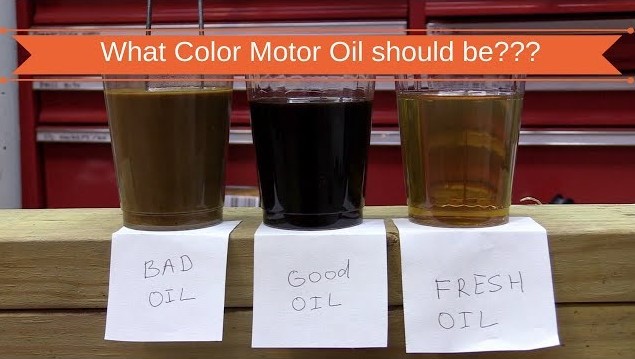
Motor oil plays a vital role in keeping an engine running smoothly. Its color reveals important information about the oil’s condition and the health of the engine. Fresh motor oil usually appears amber or golden, indicating proper lubrication and clean performance.
Darkening or black oil can signal heavy use or contamination, and in some cases, it may point to engine problems. Some oils have additives that slightly change the color, but dramatic changes often deserve attention.
Understanding these visual cues helps prevent costly repairs and extends engine life. Observing oil color regularly allows car owners to maintain peak performance and avoid unexpected breakdowns.
A quick glance at the dipstick offers insight into oil quality without requiring technical tools. Staying aware of these subtle signs ensures smoother rides and keeps the engine in top condition, saving both time and money.
What Color Should Motor Oil Be?
Motor oil is not just a fluid. It protects your engine, reduces friction, and helps it run smoothly. Oil also carries heat and removes tiny particles from engine parts.
The color of motor oil can tell you a lot about its condition and the health of your engine. Understanding oil color prevents engine damage and helps your car last longer.
Why Motor Oil Color Is Important?
Oil changes are often based on mileage or time. Checking the color of motor oil adds another safety check. Clean oil flows easily and lubricates engine parts.
Dirty or contaminated oil can slow down the engine and increase wear. Engines produce tiny metal particles and carbon from combustion. Oil collects these particles, which darken it.
Recognizing normal versus abnormal color changes helps catch problems early. Studies show engines run up to 20% longer and use fuel more efficiently when oil is clean.
Normal Motor Oil Colors

Fresh Oil
New motor oil is usually light amber or golden. It can be slightly clear. This color shows the oil has all its additives intact.
-
Synthetic oil: Often lighter and more transparent. It resists breakdown.
-
Conventional oil: Usually darker than synthetic but still golden or light brown.
Fresh oil has high viscosity, which helps protect metal parts. Its natural color comes from base oils and additives.
Slightly Dark Oil
Oil darkens naturally after use. Driving 500–1000 miles can change oil from amber to medium brown. This is normal. Dark oil means it has absorbed tiny combustion particles.
-
Dark oil does not always reduce performance.
-
Additives in oil may oxidize and slightly darken it.
-
The darker the oil, the more often it should be checked for other issues.
Warning Colors of Motor Oil
Black Oil
Black oil is common in older cars or cars with high mileage.
-
Normal black: Thin and easy to pour. Dark from carbon particles. Safe if recently changed.
-
Problem black: Thick, sticky, or with a burnt smell. Shows old oil or overheating. Oil like this loses lubrication power. Engines running with old black oil may use 2–5% more fuel and wear metal parts faster.
Milky or Creamy Oil
Milky, tan, or creamy oil shows water or coolant has mixed with oil. Causes may include:
-
Blown head gasket
-
Cracked engine block
-
Coolant leak
Milky oil cannot protect the engine. Driving with it can cause serious damage in hours. Engines with water contamination often fail in 1–3 days without repair.
Reddish or Rusty Oil
Automatic transmission fluid is red by design, but engine oil should not be red. Rusty or reddish-brown engine oil may indicate oxidation or metal corrosion.
-
Oxidized oil has lost anti-wear properties.
-
Corrosion particles can block oil passages, reducing engine efficiency.
Sludgy or Thick Oil
Sludge is thick, sticky, and sometimes black. It forms when:
-
Oil ages too long
-
Engine overheats frequently
-
Low-quality oil is used
Engines with sludge can lose 10–15% efficiency. Sludge blocks oil flow, causing overheating and faster engine wear. Cars with high mileage or poor maintenance are at highest risk.
Factors Affecting Motor Oil Color
-
Driving Style: Short trips keep oil hot for less time, allowing water and fuel residues to accumulate, darkening oil faster.
-
Engine Age: Older engines produce more carbon and metal particles.
-
Oil Type: Synthetic oil resists color changes and breakdown better than conventional oil.
-
Temperature: Hot climates accelerate oil oxidation and darkening. Cold climates may thicken oil but not change color immediately.
-
Additives: Detergents and anti-wear chemicals can slightly darken oil over time.
How to Check Motor Oil Color?
-
Park your car on a flat surface.
-
Turn off the engine and wait 5–10 minutes for oil to settle.
-
Pull out the dipstick and wipe it clean with a paper towel.
-
Reinsert the dipstick fully and pull it out again.
-
Look at the oil color. Compare it with normal shades:
-
Light amber to medium brown: healthy
-
Black: may need change soon
-
Milky: immediate check required
-
Thick or sticky: replace immediately
-
Extra Tips for Motor Oil Health
-
Check oil every 1,000 miles or monthly.
-
Use recommended oil type and viscosity for your engine.
-
Change oil based on car manual or sooner if color or texture looks unusual.
-
Watch for strange smells (burnt or sweet) with oil color changes.
-
Store motor oil in a cool, dry place to keep it fresh before use.
FAQs About Motor Oil Color
1. Can black oil still work?
Yes. Black oil is often normal. Only thick, sticky, or burnt-smelling oil is a problem.
2. Why does oil become milky?
Water or coolant mixed in oil causes a milky look. Head gasket leaks or engine cracks are common reasons.
3. How often should I check oil?
Check at least once a month or before long trips. Frequent checks prevent engine damage.
4. Does synthetic oil stay lighter longer?
Yes. Synthetic oil resists oxidation, breakdown, and color changes better than conventional oil.
5. What should I do if oil is sludgy?
Replace it immediately and check the engine. Regular oil changes prevent sludge buildup and engine wear.
6. Can color alone indicate engine problems?
Color gives clues, but texture, smell, and consistency matter too. Thick, gritty, or burnt oil needs attention even if color looks normal.
Conclusion
Motor oil color reveals the state of your engine and oil. Amber to medium brown oil is normal. Black oil may be fine, but milky, sludgy, or rusty oil signals issues.
Regular checks and timely oil changes keep engines efficient, reduce fuel use, and extend life. Understanding what color motor oil should be helps protect your vehicle and avoid expensive repairs.