
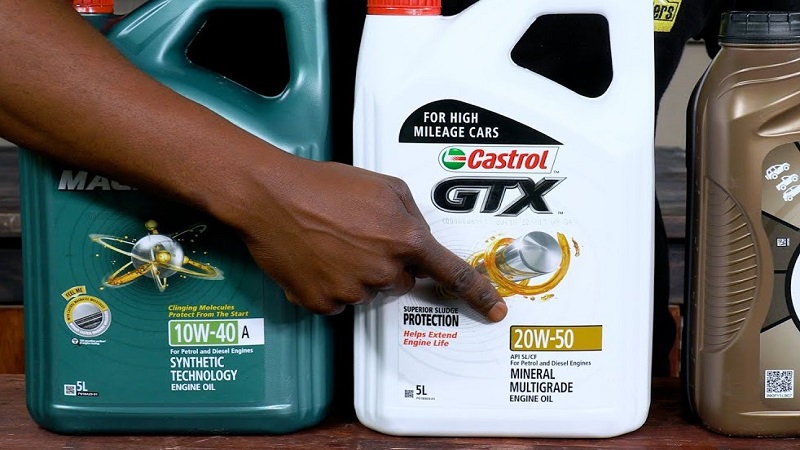
Numbers on motor oil bottles often confuse many drivers. Labels such as 5W-30 or 10W-40 appear technical, yet they carry a simple meaning. Each number shows how motor oil behaves in different temperatures and how well it protects an engine.
Motor oil plays a vital role in engine health. It reduces friction, controls heat, and keeps internal parts clean. The numbers printed on the bottle help drivers pick the right oil for their vehicle and climate. Cold starts place stress on an engine, and the first number in the oil rating explains how oil flows during low temperatures.
The second number explains thickness once the engine reaches normal operating heat. Correct oil viscosity helps an engine run smoothly and last longer.
Car manuals list recommended oil grades, and those recommendations match engine design and performance needs. Clear knowledge of these numbers allows drivers to make smart choices and protect their vehicles from wear and damage.
What Do the Numbers on Motor Oil Mean?
Motor oil keeps an engine moving smoothly. Every bottle shows numbers such as 5W-30, 10W-40, or 0W-20. Many drivers see these numbers but do not know what they mean.
These numbers give important information. They tell how thick the oil is. They also show how the oil performs in cold and hot temperatures.
Understanding these numbers helps drivers pick the right oil for their vehicles. Better oil choice leads to better engine protection. Longer engine life. Fewer problems.
Motor oil numbers show oil viscosity. Viscosity means how thick or thin a liquid is.
Thick oil moves slowly. Thin oil flows quickly.
Motor oil must flow well in cold weather. Oil must also stay strong in hot engine temperatures. The numbers on the bottle explain how the oil performs in both situations.
Example: 5W-30
Two numbers appear in this label. Each number has a specific meaning.
Understanding the First Number (Winter Rating)
What the First Number Shows
The first number tells how the oil flows in cold temperatures.
A lower number means the oil flows more easily during cold starts. A higher number means thicker oil during cold weather.
Cold engines need oil that flows quickly. Quick flow helps protect engine parts right after startup.
Meaning of the Letter “W”
The letter W stands for Winter.
Manufacturers test oil in cold conditions. The number before W shows how the oil behaves during winter temperatures.
Examples:
-
0W – Very good flow in very cold weather
-
5W – Good cold temperature performance
-
10W – Slightly thicker in cold weather
Lower numbers work better in colder climates.
Understanding the Second Number (Hot Temperature Rating)
What the Second Number Shows
The second number explains oil thickness at normal engine temperature.
Engines become very hot during operation. Oil must stay thick enough to protect moving parts.
Higher numbers mean thicker oil at high temperature.
Examples:
-
20 – Thinner oil at high temperature
-
30 – Medium thickness
-
40 – Thicker protection in heat
Strong oil film protects metal parts from rubbing together.
Example Breakdown: 5W-30 Motor Oil
A quick breakdown helps make the meaning clear.
5W-30 oil means:
-
Oil flows like 5-weight oil in cold temperatures
-
Oil behaves like 30-weight oil in hot engine conditions
One oil works well in two temperature ranges.
Modern engines rely on this type of oil. Mechanics call it multi-grade oil.
What Is Multi-Grade Oil?
Multi-grade oil adapts to temperature changes. Cold morning start. Hot highway driving. Same oil performs in both conditions.
Older engines once used single-grade oil, such as SAE 30. Those oils worked well only in one temperature range.
Multi-grade oil solved this problem.
Benefits include:
-
Easier cold starts
-
Better engine protection
-
Stable performance in different climates
Most vehicles today use multi-grade oils.
Common Motor Oil Grades
Drivers often see several common oil grades. Each one fits certain engines and climates.
0W-20
Very thin oil. Works well in modern fuel-efficient engines. Good for very cold weather.
5W-30
Very common oil grade. Many cars and small trucks use it. Works well in moderate climates.
10W-30
Slightly thicker in cold temperatures. Some older engines prefer this oil.
10W-40
Thicker oil for engines that run hot or carry heavy loads.
Car manuals usually recommend the best grade for the engine.
Why Oil Viscosity Matters?
Engines contain many moving metal parts. Pistons move fast. Crankshafts spin. Valves open and close. Metal parts create friction.
Motor oil reduces that friction. Oil viscosity plays a big role in engine protection.
Correct viscosity helps:
-
Reduce engine wear
-
Improve fuel efficiency
-
Prevent overheating
-
Extend engine life
Wrong oil thickness may cause poor lubrication.
Factors That Affect Oil Choice
Several factors help determine the correct motor oil.
Climate
Cold climates require lower winter numbers like 0W or 5W. Warm regions may work well with higher numbers.
Engine Design
Modern engines often use thinner oils such as 0W-20. Older engines may need thicker oil.
Driving Style
Heavy loads and long highway drives generate more heat. Thicker oil sometimes offers better protection.
Manufacturer Recommendation
Car manufacturers test engines with specific oil grades. Owner manuals list the recommended viscosity. Manual instructions matter.
Signs That Oil Viscosity May Be Wrong
An incorrect oil grade may cause noticeable problems.
Common signs include:
-
Hard engine start in cold weather
-
Engine noise during startup
-
Higher fuel consumption
-
Engine overheating
A quick oil check solves many issues. Mechanics often verify oil viscosity during maintenance.
Extra Tip: Check the Oil Label
Motor oil bottles contain more information than just numbers.
Labels often include industry standards such as:
-
API certification
-
SAE viscosity rating
These marks confirm that the oil meets engine safety standards. Drivers should check these details before buying oil.
FAQs
What does 10W-40 mean in motor oil?
10W-40 oil flows like 10-weight oil in cold weather and 40-weight oil in hot engine temperatures. Cold starts stay easier while hot engines receive thicker protection.
Is lower motor oil number better?
Lower numbers help oil flow better in cold temperatures. Engines in cold climates benefit from lower winter ratings such as 0W or 5W.
Can a driver mix different oil grades?
Small mixing usually does not damage the engine. Mechanics still recommend using the oil grade listed in the vehicle manual.
Why do modern cars use thinner oil?
Modern engines use tight internal parts and advanced technology. Thinner oils improve fuel efficiency and help oil flow quickly through small engine passages.
Does thicker oil protect the engine better?
Thicker oil provides strong protection in hot conditions. Engines still require the viscosity recommended by the manufacturer for best performance.
Conclusion
Motor oil numbers explain how oil behaves in cold and hot temperatures. The first number shows cold weather performance. The second number shows thickness during normal engine heat.
Simple numbers carry useful information. Correct oil viscosity helps engines run smoothly. Proper lubrication reduces wear and improves efficiency.
Drivers who understand these numbers make better oil choices. Small knowledge helps protect an engine for many years.