
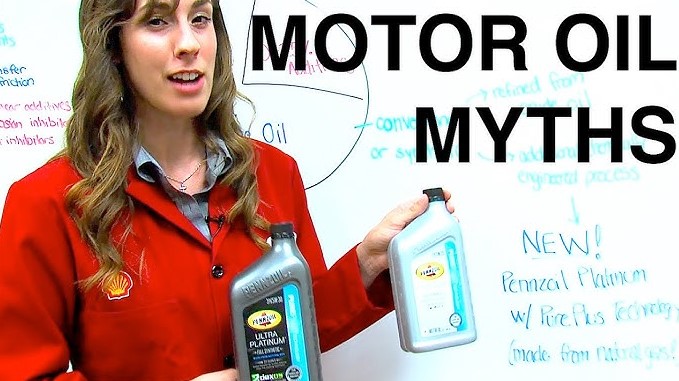
Engines thrive on proper lubrication, and synthetic motor oil delivers just that with unmatched precision. Unlike conventional oils, synthetic blends undergo advanced chemical engineering to perform consistently under extreme temperatures and pressures.
Drivers experience smoother starts in freezing winters, better protection during scorching summers, and enhanced overall engine longevity. Modern engines demand more than ordinary oils can offer, and synthetic formulas rise to the challenge, reducing wear, preventing sludge buildup, and improving fuel efficiency.
Each drop contains carefully crafted molecules designed to resist breakdown and maintain stability over thousands of miles. Science meets everyday driving needs in these high-performance oils, ensuring engines operate at peak efficiency while extending their lifespan.
Car enthusiasts and everyday commuters alike benefit from the superior protection and performance that synthetic motor oil provides. Understanding its advantages can transform how vehicles perform on roads worldwide.
What Is Synthetic Motor Oil?
Motor oil is essential for your car engine. It keeps engine parts moving smoothly, removes dirt, and prevents damage from heat.
Synthetic motor oil is a special type of motor oil made in a lab. Unlike conventional oil, which comes directly from crude oil, synthetic oil is designed to be more stable and efficient.
How Synthetic Motor Oil Is Made?
Synthetic motor oil starts with base oil. Scientists refine it to remove impurities and improve performance. Then, they add chemical additives that give extra protection.
-
Base oil types: There are mainly two types Group III (highly refined mineral oil) and Group IV (polyalphaolefin or PAO, fully synthetic).
-
Additives: These include detergents, anti-wear agents, friction modifiers, and antioxidants. They improve engine protection and oil life.
This process creates oil with uniform molecules. Unlike natural oil, which has molecules of different sizes, synthetic oil molecules are the same size. This makes them more predictable and efficient.
Advantages of Synthetic Motor Oil

Synthetic motor oil has several benefits that are measurable:
1. Better High-Temperature Performance
Synthetic oil resists breaking down at high temperatures. Conventional oil can start to oxidize above 250°F (121°C), forming sludge and deposits. Synthetic oil stays stable even at 300–350°F (149–177°C).
2. Improved Cold Weather Flow
Synthetic oil flows faster in cold temperatures. For example, a 5W-30 synthetic oil can flow almost 20% faster than conventional oil at -20°F (-29°C). Faster flow means better engine start and reduced wear.
3. Longer Oil Change Intervals
Synthetic oil can last longer before it needs replacing. Conventional oil often needs a change every 3,000–5,000 miles. Many synthetic oils last 7,500–15,000 miles depending on driving conditions and manufacturer recommendations.
4. Reduced Engine Wear
Tests show engines running on synthetic oil can have 30–40% less wear on moving parts compared to conventional oil. Uniform molecules and additives protect metal surfaces better.
5. Cleaner Engine
Synthetic oil resists forming sludge. Over time, engines stay cleaner, which can improve performance and reduce repair costs.
Types of Synthetic Motor Oil
Full Synthetic Oil
Contains 100% synthetic base oil. Offers the highest protection. Best for high-performance cars, turbocharged engines, or cars in extreme climates.
Synthetic Blend Oil
Mixes synthetic and conventional oil. Provides better protection than conventional oil but costs less than full synthetic. Good for older engines or moderate driving conditions.
High-Mileage Synthetic Oil
Formulated for cars over 75,000 miles. Contains seal conditioners to prevent leaks and reduce oil consumption in older engines.
How Synthetic Oil Works in the Engine?
Engines produce heat, friction, and small metal particles as parts rub together. Oil serves three main purposes:
-
Lubrication – Reduces friction between moving parts.
-
Cooling – Moves heat away from critical engine components.
-
Cleaning – Suspends dirt and tiny particles to prevent deposits.
Synthetic oil performs all these tasks better because:
-
Molecules are uniform and stable under pressure.
-
Additives reduce oxidation and wear.
-
Oil flows consistently in extreme temperatures.
Data and Studies on Synthetic Oil
-
Fuel efficiency: Studies show synthetic oil can improve fuel economy by 1–2% because engines face less resistance.
-
Wear reduction: Engines using synthetic oil can last 50,000–100,000 miles longer before major repairs compared to engines using conventional oil.
-
Temperature performance: Synthetic oil can maintain viscosity at temperatures above 300°F (149°C), while conventional oil may thin out and lose protection.
These numbers show synthetic oil is not just better for performance but can extend the life of an engine.
How to Choose Synthetic Oil for Your Car?
Check these factors:
-
Viscosity: Represented as numbers like 5W-30 or 10W-40. Lower first number means better cold weather performance. Higher second number means better protection at high heat.
-
API rating: Tells which engines the oil is safe for. Look for the current rating recommended in your manual.
-
Driving conditions: Long highway drives, towing, or hot/cold climates favor full synthetic oil.
Myths About Synthetic Oil
-
Leaks: Old engines may leak oil, but synthetic oil itself does not cause leaks.
-
Too expensive: Synthetic oil costs more, but fewer changes and engine protection can save money over time.
-
Only for new cars: Older engines can also benefit, especially if they are well-maintained.
FAQs About Synthetic Motor Oil
Q: Can I mix synthetic and conventional oil?
Yes, but full synthetic works best on its own.
Q: How long does synthetic oil last?
Most synthetic oils last 7,500–15,000 miles. Always follow your car manual.
Q: Does synthetic oil improve fuel economy?
Yes, slightly. It reduces friction, which can improve miles per gallon by 1–2%.
Q: Is synthetic oil safe for all engines?
Yes, engines designed for motor oil can safely use synthetic.
Q: Does synthetic oil prevent engine sludge?
It reduces sludge formation better than conventional oil.
Conclusion
Synthetic motor oil is a man-made oil designed for better engine protection, cleaner performance, and longer oil life. It handles extreme heat and cold better than conventional oil.
Using synthetic oil can extend engine life, reduce wear, and sometimes improve fuel efficiency.
Cars with modern engines or those driven in harsh conditions benefit most. Understanding the types, viscosity, and proper use ensures your engine stays in good condition for many miles.