
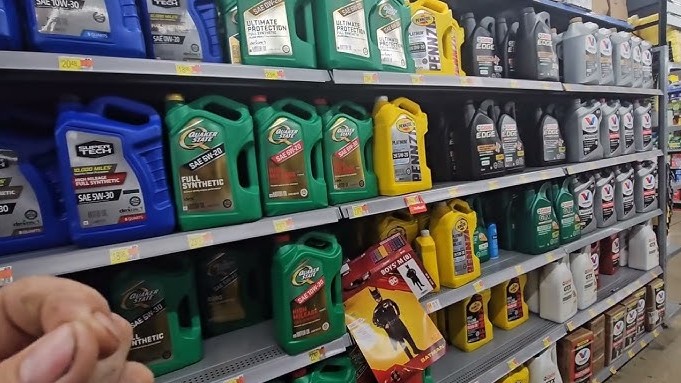
Finding the right motor oil can save an engine from wear and boost its performance. Car owners often face a wide range of options, from synthetic blends to conventional oils, making it crucial to know where to get high-quality products.
Local auto parts stores provide hands-on advice and let drivers inspect brands before purchase. Big-box retailers offer convenience and competitive pricing, ideal for those needing quick replacements. Online marketplaces deliver variety and doorstep convenience, often featuring user reviews and detailed specifications.
Specialty automotive shops carry premium and performance oils suited for specific engines, including motorcycles, trucks, and high-performance cars. Mechanics and service centers sometimes sell oils directly, ensuring compatibility with vehicle models.
Knowing the best sources for motor oil helps maintain engine health and prolongs the life of vehicles. Smart purchasing decisions combine quality, availability, and affordability for optimal results.
Where to Buy Motor Oil?
Motor oil keeps your car engine healthy. It lubricates moving parts, reduces friction, and helps the engine run smoothly. Using the wrong oil can damage the engine or reduce fuel efficiency.
Cars need oil changes regularly usually every 3,000 to 7,500 miles depending on the type of oil. Knowing where to buy motor oil ensures you get the right type, the right amount, and a safe product.
Many stores sell motor oil, but the selection, price, and quality can vary a lot. This guide explains all the options and helps you make the best choice.
Local Auto Parts Stores
Why Choose Them
Auto parts stores have a wide range of oils. You can find:
-
Conventional oil – basic, cheaper oil for older cars.
-
Synthetic oil – higher performance, lasts longer, handles heat better.
-
High-mileage oil – designed for cars over 75,000 miles to reduce leaks and engine wear.
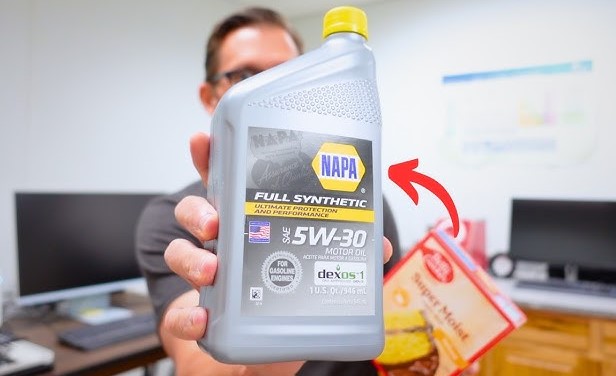
Staff at these stores can check your car model and tell you which oil works best. They can also explain oil grades like 5W-30 or 10W-40.
Data and Facts
-
Auto parts stores often stock popular brands like Valvoline, Castrol, and Mobil.
-
Prices vary but usually range from $20 to $50 per 5-quart container.
-
Many stores run sales during holidays or seasonal oil-change events.
Tips
-
Bring your car manual or know your engine type. Staff can match the oil grade.
-
Ask about bulk discounts if you plan to buy multiple containers.
Supermarkets and Big Box Stores
Convenience Factor
Supermarkets and big box stores like Walmart, Target, and Costco sell motor oil. You can pick it up while buying groceries or household items.
Product Range
-
Mostly common oils like 5W-30 and 10W-40.
-
Usually conventional or synthetic blends. Pure synthetic oils are sometimes limited.
-
Larger stores may carry 1-quart, 5-quart, and 6-quart containers.
Data and Facts
-
Walmart: 5-quart conventional oil costs around $20. Synthetic oils may cost $35–$45.
-
Costco: Offers bulk packs for 2–6 containers at a slightly lower cost per quart.
Tips
-
Check the container date. Old stock may have been sitting for a long time.
-
Look for promotions, like “buy 2, get 1 free” or seasonal discounts.
Online Retailers
Advantages
Online shopping gives access to many brands, sizes, and special oils. You can compare prices, read customer reviews, and get delivery to your home.
Popular Options
-
Amazon: Large selection of all oil types and grades. Often offers fast shipping.
-
Walmart.com: Matches in-store prices and sometimes has online-only deals.
-
Auto parts online stores: AutoZone, O’Reilly Auto Parts, and Advance Auto Parts ship directly.
Data and Facts
-
Synthetic oil online ranges from $30 to $60 for 5 quarts.
-
Bulk packs reduce the price per quart by 10–20%.
-
Read shipping information carefully. Some oils may leak if not packed properly.
Tips
-
Check your car’s oil specification (API, SAE grade). Not all oils fit all engines.
-
Read reviews for consistency, quality, and ease of use.
Gas Stations
Quick Access
Many gas stations sell basic motor oil. This is useful if your car is low on oil during a trip or emergency.
Limitations
-
Selection is small. Usually 1-quart or 5-quart conventional oils.
-
Prices can be higher than stores, sometimes $5–$10 extra per quart.
-
Premium oils and high-mileage oils are often unavailable.
Data and Facts
-
Gas station oil is usually a trusted brand but may not match manufacturer recommendations for some cars.
-
Ideal for emergency top-ups or temporary use.
Tips
-
Use gas station oil only if you need it urgently. Replace it with proper oil from a store or online soon.
Specialty Automotive Shops
Expert Advice
Specialty shops focus on high-performance or older engines. They carry oils that are not common in regular stores.
-
Racing oils, synthetic blends, and specialty formulations.
-
Staff can advise on rare grades, such as 0W-20 for hybrid cars.
Data and Facts
-
Specialty shops may charge $40–$80 per container depending on the brand.
-
These oils often last longer—synthetic oils can go up to 15,000 miles in some cars.
Tips
-
Visit specialty shops for sports cars, luxury cars, or older vehicles with special oil needs.
-
Ask about oil testing kits to check oil quality.
How to Choose the Right Oil?
-
Check your car manual. Every engine has recommended oil types.
-
Understand oil grades. Lower numbers (5W) mean the oil flows easily in cold weather. Higher numbers (30, 40) mean thicker oil at engine temperature.
-
Look for certification. API (American Petroleum Institute) ratings ensure quality.
-
Check container seal. Never use oil from a damaged or leaking container.
-
Budget vs. performance. Conventional oil costs less, synthetic oil lasts longer and protects better.
FAQs
Q1: Can I use any motor oil in my car?
No. Using the wrong oil can damage the engine, reduce efficiency, and may void warranties. Always check the recommended grade.
Q2: How often should I change motor oil?
Conventional oil: every 3,000–5,000 miles.
Synthetic oil: every 7,000–10,000 miles. Check your manual for exact numbers.
Q3: Is buying oil online safe?
Yes, but ensure the seller is reliable. Read reviews and check shipping conditions to avoid leaks or old oil.
Q4: Can gas station oil damage my car?
Temporary use is fine, but regular use may not meet your car’s engine needs. Replace it with the correct oil as soon as possible.
Q5: How much oil does a car need?
Most passenger cars need 4–6 quarts. Some SUVs or trucks need 6–8 quarts. Check your manual or dipstick for exact amounts.
Conclusion
Finding motor oil is simple if you know where to look. Auto parts stores offer variety and expert advice. Supermarkets and big-box stores provide convenience and decent prices. Online shopping allows easy comparison and delivery.
Gas stations help in emergencies. Specialty shops cater to high-performance or older vehicles. Always check your car’s manual, oil grade, and container seal. Proper oil choice keeps your engine safe, improves fuel efficiency, and extends the life of your car.