
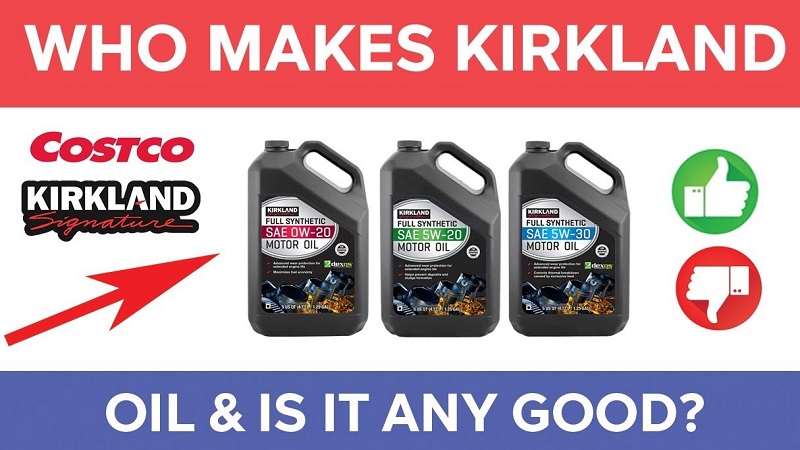
Kirkland motor oil carries a reputation for quality and affordability, yet many drivers wonder who actually produces it. Kirkland Signature is the private label of Costco Wholesale, but the oil itself comes from specialized manufacturers with decades of experience in lubrication technology.
These companies follow strict industry standards to ensure each batch meets or exceeds performance requirements for modern engines. Motor oil affects engine efficiency, wear protection, and longevity, making the choice of manufacturer just as important as the brand on the label.
Understanding who makes Kirkland motor oil helps consumers feel confident in the product’s reliability and safety. By learning about its production background, car owners gain insight into quality control, additive formulas, and testing processes that keep vehicles running smoothly.
Kirkland motor oil combines affordability with professional-grade standards, offering performance comparable to national brands.
Who Makes Kirkland Motor Oil?
Kirkland motor oil is a top choice for car owners who want quality oil at a low price. Many buy it at Costco stores. Kirkland is Costco’s private label, meaning the brand belongs to Costco. But Costco does not make the oil itself.
Understanding who makes Kirkland motor oil helps buyers know the quality and trust the product. It also explains why it is often cheaper than other well-known brands.
Kirkland Brand and Its Purpose
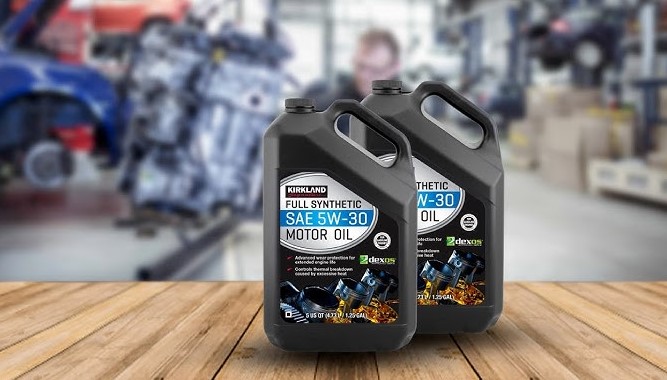
Kirkland Signature is the main private brand for Costco. It covers foods, drinks, household items, supplements, and car products. The brand promises high quality but low cost.
Costco achieves this by partnering with manufacturers. The company sets strict rules for quality. The manufacturer makes the product, but Costco tests it before selling. This applies to Kirkland motor oil.
Manufacturers Behind Kirkland Motor Oil
Kirkland motor oil is made by large U.S.-based oil companies. Many industry sources say companies like Chevron, Valvoline, or other top oil producers supply Kirkland oil.
These companies already produce their own branded oils, so they have the plants, equipment, and expertise.
The process of making Kirkland oil includes:
-
Base Oil Production – Base oils are the main ingredient. These can be mineral oils (from crude oil) or synthetic oils (made with chemical processes).
-
Additive Blending – Additives improve engine protection, clean engines, reduce wear, and control viscosity. Common additives include:
-
Detergents (keep engine clean)
-
Anti-wear agents (protect metal parts)
-
Friction modifiers (reduce engine friction)
-
Viscosity improvers (help oil work in hot and cold temperatures)
-
-
Quality Testing – Each batch is tested to meet API (American Petroleum Institute) and ILSAC (International Lubricant Standardization and Approval Committee) standards.
These steps make sure Kirkland motor oil works the same as well-known oil brands.
Types of Kirkland Motor Oil
Kirkland offers several types of oil for different engines:
-
Full Synthetic Motor Oil
-
Best for modern and high-performance cars.
-
Provides better protection at extreme temperatures.
-
Resists breakdown longer than conventional oils.
-
-
Conventional Motor Oil
-
Made from refined petroleum.
-
Works well for regular vehicles and normal driving conditions.
-
Cheaper than synthetic oil.
-
-
High Mileage Oil
-
Made for cars with more than 75,000 miles.
-
Helps prevent leaks and reduces oil burn.
-
Contains seal conditioners to protect older engines.
-
Viscosity Options: Common types include 5W-30, 10W-30, and 5W-20. The first number (W) shows flow in cold temperatures.
The second number shows oil thickness at engine operating temperature. Kirkland oil meets recommended viscosity for many car models.
Quality Standards and Testing
Costco requires Kirkland motor oil to pass strict tests. These include:
-
Cold Temperature Flow – Oil must move quickly in cold weather to protect engines at startup.
-
High Temperature Stability – Oil must not break down in heat. This protects engine parts during long drives or heavy loads.
-
Wear Protection – Tests ensure oil reduces friction and prevents engine wear.
-
Deposit Control – Oil must prevent sludge and deposits that reduce engine life.
-
Oxidation Resistance – Oil must resist chemical breakdown over time.
Kirkland motor oil passes API SP and SN Plus standards. These are the latest standards for protecting engines, reducing deposits, and improving fuel economy.
How Kirkland Compares to Other Brands?
Many mechanics and car owners say Kirkland oil performs the same as big brands like Mobil 1, Castrol, or Chevron. Tests show:
-
Full synthetic Kirkland oil has similar wear protection.
-
Oil change intervals match manufacturer recommendations (usually 5,000–7,500 miles for conventional and 7,500–10,000 miles for synthetic).
-
Price is often 20–30% lower than big brands.
This makes Kirkland a trusted option for both daily drivers and high-mileage cars.
Environmental Considerations
Kirkland motor oil follows the same environmental regulations as other major brands:
-
Meets API standards for emissions.
-
Compatible with catalytic converters.
-
Helps reduce fuel consumption by maintaining proper engine lubrication.
Costco encourages using oil recycling programs, helping reduce waste.
Final Thoughts
Kirkland motor oil comes from major U.S. oil companies but carries Costco’s private label. It passes strict testing, meets API and ILSAC standards, and provides strong engine protection.
Full synthetic, conventional, and high-mileage options make it suitable for most vehicles. Drivers can trust Kirkland oil for reliable performance at a lower cost. Choosing the best Kirkland motor oil helps maintain engine health without overspending.
FAQs
Q1: Is Kirkland motor oil synthetic?
Yes. Kirkland offers full synthetic oils that protect engines at high and low temperatures.
Q2: Can Kirkland replace other brand oils?
Yes. It meets the same standards as big-name oils and is safe for most vehicles.
Q3: Who makes Kirkland motor oil?
Large U.S. oil companies such as Chevron or other top manufacturers produce the oil. Costco labels it under Kirkland Signature.
Q4: How long can I use Kirkland synthetic oil?
Synthetic Kirkland oil usually lasts 7,500–10,000 miles per oil change, depending on your vehicle and driving conditions.
Q5: Is Kirkland oil good for high mileage cars?
Yes. High-mileage Kirkland oil contains seal conditioners and additives to reduce leaks and engine wear for cars over 75,000 miles.