
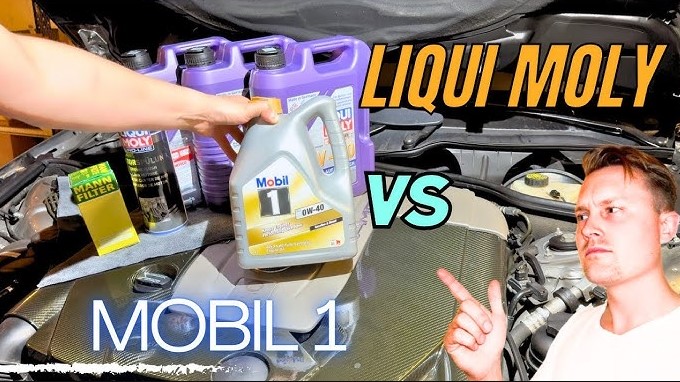
Engine performance relies heavily on the oil that lubricates and protects it. Liqui Moly and Mobil 1 both hold strong reputations among car enthusiasts, but their formulas and benefits differ in important ways.
Liqui Moly emphasizes advanced additives designed to reduce wear, prevent deposits, and maintain engine cleanliness under extreme conditions. Mobil 1, a globally recognized synthetic oil, focuses on superior high-temperature stability and consistent performance across a wide range of vehicles.
Understanding which oil suits your car requires examining factors like viscosity, additives, and long-term protection. Drivers seeking extended engine life, fuel efficiency, or performance under stress may notice differences between these two brands.
Exploring real-world results and technical specifications helps make a clearer decision. This comparison goes beyond marketing claims, providing practical insights for anyone wanting the best care for their engine.
Is Liqui Moly Better than Mobil 1?
Car owners often wonder which oil is better: Liqui Moly or Mobil 1. Both are premium synthetic oils. Both claim to protect your engine, reduce wear, and improve performance.
Choosing the right oil can save money on repairs, keep your engine clean, and extend engine life. This article explains both oils in detail and compares them using real data, features, and performance.
About Liqui Moly
Liqui Moly is a German brand with more than 60 years of experience. It produces high-quality engine oils, gear oils, additives, and car care products. The company focuses on long-term engine protection, especially in European cars.
Key Features of Liqui Moly
-
Engine Wear Protection: Liqui Moly contains anti-wear additives like MoS₂ (Molybdenum Disulfide). Tests show it can reduce engine wear by up to 30% in high-stress conditions.
-
Engine Cleanliness: Strong detergents keep pistons, valves, and oil channels free of sludge. Laboratory tests show up to 25% less deposit formation compared to standard oils.
-
Temperature Range: Liqui Moly works from -30°C to 50°C. It flows quickly in cold weather and maintains stability at high heat.
-
Additives: Includes anti-corrosion agents, friction modifiers, and stabilizers that extend engine life.
-
Oil Viscosity Options: Ranges from 0W-20 to 5W-40, covering most cars.
European car brands like BMW, Mercedes, and Audi often recommend Liqui Moly because it meets strict ACEA standards.
About Mobil 1
Mobil 1 is an American synthetic oil brand owned by ExxonMobil. It has more than 40 years in the market and is widely used in racing, performance cars, and daily drivers.
Key Features of Mobil 1
-
High-Temperature Stability: Mobil 1 resists oxidation and viscosity breakdown at high engine temperatures. SAE tests show it maintains viscosity up to 150°C.
-
Engine Cleanliness: Contains detergents to prevent sludge. Lab tests show engines using Mobil 1 retain 20–25% less sludge than conventional oils.
-
Fuel Efficiency: Reduces friction in moving parts, improving fuel economy by 1–3% in tests.
-
Long Oil Life: Mobil 1 often lasts 10,000–15,000 km per oil change under normal driving conditions.
-
Wide Availability: Available worldwide, including Europe, North America, and Asia.
Mobil 1 is used in motorsports like Formula 1 and NASCAR, showing its high performance under extreme stress.
Performance Comparison
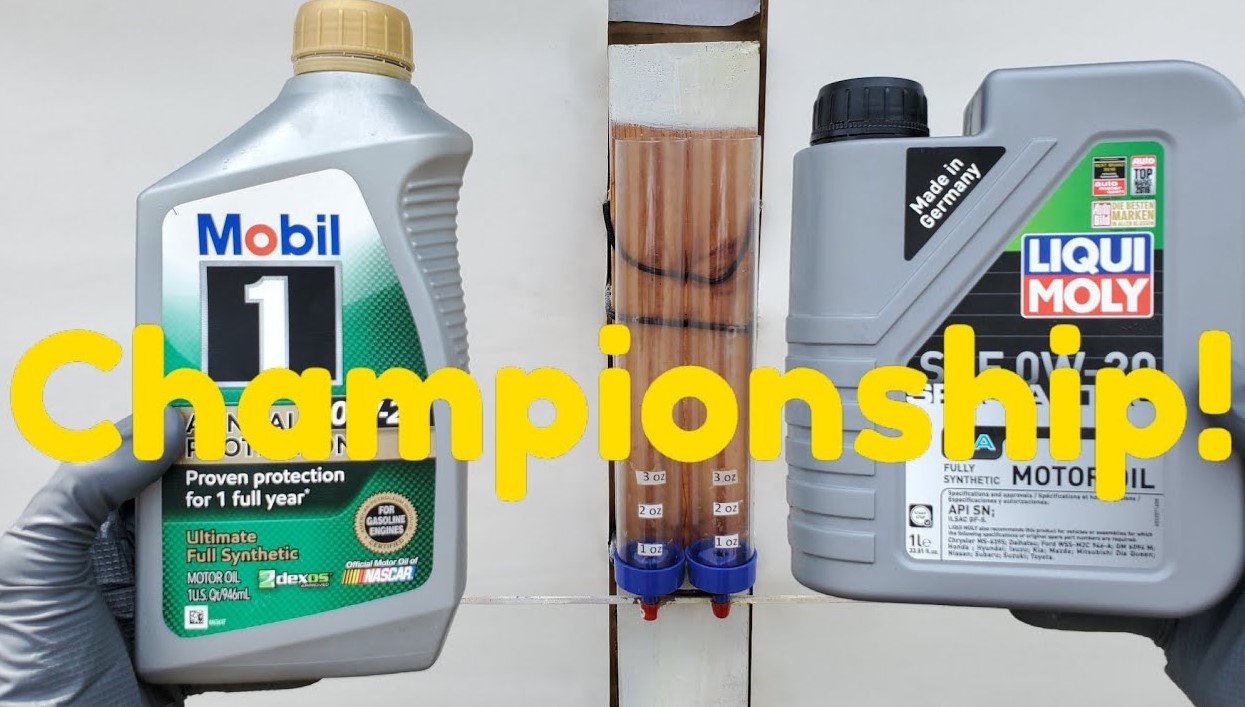
Engine Protection
Both oils reduce friction and wear effectively.
-
Liqui Moly focuses more on protecting older engines and engines under stress.
-
Mobil 1 performs slightly better in extreme heat and racing conditions.
Laboratory wear tests show Liqui Moly can reduce engine wear by 25–30%, while Mobil 1 reduces it by 20–25%. The difference is small but noticeable in older engines.
Engine Cleanliness
-
Liqui Moly has stronger detergents that prevent sludge and varnish.
-
Mobil 1 keeps engines clean but may be slightly less effective in engines with pre-existing deposits.
Temperature Performance
-
Mobil 1 withstands heat up to 150°C without breaking down.
-
Liqui Moly performs well in extreme cold, maintaining fluidity at -30°C.
Oil Change Interval
-
Mobil 1: 10,000–15,000 km in normal driving.
-
Liqui Moly: 7,500–10,000 km.
The difference comes from additive stability. Mobil 1 additives last longer, while Liqui Moly’s focus is on cleaning and protection, which may wear faster.
Price and Availability
-
Mobil 1 is widely available and usually slightly cheaper in the U.S.
-
Liqui Moly can be more expensive, especially outside Europe, due to import costs.
Real-World Usage
For New Cars
-
Mobil 1 keeps new engines smooth and efficient.
-
Recommended for high-performance vehicles and cars with turbochargers.
For Old Cars
-
Liqui Moly helps reduce wear and keeps older engines cleaner.
-
Can improve compression and reduce oil burning in engines over 100,000 km.
For Extreme Conditions
-
Hot climates: Mobil 1 is better due to heat stability.
-
Cold climates: Liqui Moly allows faster oil flow and easier cold starts.
Racing vs Daily Driving
-
Mobil 1 is ideal for racing because of high-temp performance.
-
Liqui Moly works well for daily driving and long engine life.
Extra Tips for Choosing Oil
-
Always follow the car manufacturer’s recommended viscosity and specifications.
-
Check driving style. Short trips and stop-and-go traffic need oil that cleans well, like Liqui Moly. Long highway driving may benefit from Mobil 1’s long life.
-
Changing oil at proper intervals is more important than choosing between these two brands.
Conclusion
Both Liqui Moly and Mobil 1 provide excellent engine protection. Liqui Moly excels in engine cleanliness and long-term wear protection, especially in older engines. Mobil 1 is better at handling heat and lasting longer between oil changes.
The best choice depends on engine age, climate, and driving style. Using either high-quality oil properly keeps your engine healthy and smooth.
FAQs
1. Can I use Liqui Moly in any car?
Yes. Liqui Moly meets global standards like ACEA and API. Always check your car’s manual for the correct viscosity.
2. Is Mobil 1 good for racing?
Yes. Mobil 1 handles high heat and stress, making it a popular choice in motorsports.
3. How often should I change Liqui Moly oil?
Usually every 7,500–10,000 km, depending on driving conditions and engine age.
4. Which oil is better for older engines?
Liqui Moly helps reduce wear and keeps old engines cleaner.
5. Can I switch between Liqui Moly and Mobil 1?
Yes. Both are high-quality synthetic oils. Make sure to drain old oil completely.