
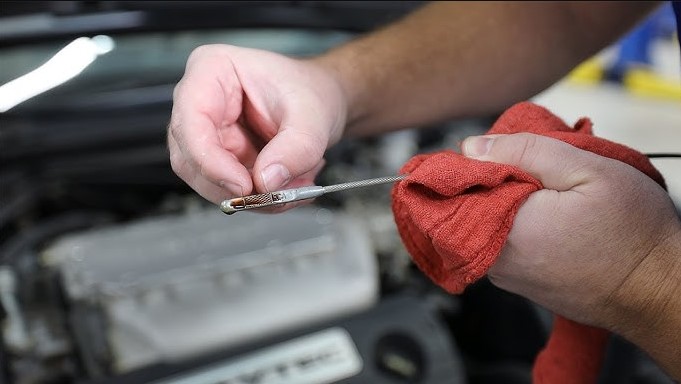
Checking your engine oil right after driving might seem unnecessary, but it’s actually one of the best ways to catch problems early. The ideal time? When the engine is warm but not too hot. This lets you see the oil level clearly and detect issues like low levels or leaks before they worsen. With modern cars and eco-friendly oil blends in 2026, regular checks are more important than ever.
When you think about car maintenance, engine oil might not be the first thing that comes to mind but in 2026, it’s one of the most critical parts of keeping your ride running smoothly. Modern vehicles are more efficient, use advanced synthetic oils, and often come with smart diagnostics, but none of that replaces the simple act of checking your oil. And here’s the real question: When exactly should you check your engine oil after driving?
Most drivers assume it’s fine to pop the hood anytime even right after a long highway trip. But doing so can lead to inaccurate readings or missed warning signs. The truth is, timing matters. Checking your oil too soon after driving can give you a false sense of security. On the other hand, waiting too long might let small problems grow into expensive repairs. So how do you get it just right?
This guide walks you through everything you need to know about checking engine oil after driving in 2026 from why timing is everything to what to look for in today’s high-tech engines. Whether you drive a hybrid, electric-assist model, or a traditional internal combustion vehicle, these tips will help you stay ahead of the curve.
Key Takeaways
- Wait 5–10 minutes after driving: Let oil settle for an accurate dipstick reading.
- Check when warm (not hot): Warm oil flows better and gives a true level.
- Look for leaks or discoloration: Dark, gritty, or milky oil can signal serious issues.
- Follow your owner’s manual: Some 2026 models have different intervals or digital alerts.
- Use the right oil type: Synthetic blends are standard now check viscosity (e.g., 5W-30).
- Top off carefully: Overfilling can damage turbocharged engines common in newer cars.
- Set a monthly habit: Even if you don’t drive much, monthly checks prevent sludge buildup.
Why Timing Matters After Driving?
You might be wondering: Why can’t I just check my oil whenever I remember? Well, engine oil behaves differently depending on temperature and movement. After driving, your engine has been under stress turning, heating up, and circulating oil throughout the system. If you pull the dipstick immediately, the oil hasn’t settled back into the sump yet. That means your reading could be misleading.
For example, imagine you just finished a spirited mountain drive. The oil is still flowing from the cylinder head down to the crankcase. Pull the dipstick right away, and it might show full but actually, some oil is still trapped in the upper engine block. You’d think you’re good to go, but in reality, your oil level is lower than it appears. That’s why experts recommend waiting 5 to 10 minutes after turning off the engine.
During this short window, gravity pulls the oil back into the oil pan. Once it settles, you get a clear, accurate picture of your oil level. This is especially important in 2026, as many new engines use variable valve timing, turbochargers, and direct injection all of which put extra strain on oil and require consistent lubrication.
The Science Behind Oil Settling
Engine oil isn’t just thick liquid – it’s engineered for performance. Modern formulations include additives that help reduce friction, resist heat, and prevent oxidation. These additives work best when the oil is at the right temperature and level. But when you check oil immediately after driving, you risk missing subtle changes.
Take a turbocharged engine, for instance. Turbochargers spin at over 200,000 RPM and generate extreme heat. The oil must flow quickly to cool and lubricate the turbo bearings. If the oil level is low due to a slow leak, the turbo can overheat even if the dipstick says “full.” By checking too soon, you miss that leak until it becomes dangerous.
That’s why timing isn’t just a suggestion – it’s part of proper maintenance. In 2026, many manufacturers recommend checking oil after the engine has cooled slightly but remains warm. This balance ensures accuracy while minimizing wear.
How Long Should You Wait?
So, how long exactly should you wait before checking your engine oil? The sweet spot is **5 to 10 minutes** after turning off the engine. This allows enough time for oil to drain back into the pan without letting the engine get too cold.
Here’s a quick guide based on typical driving conditions:
- Short trips (under 10 minutes): Wait 3–5 minutes. The engine hasn’t heated much, so oil moves slowly.
- Long highway drives or heavy city traffic: Wait 8–10 minutes. Oil circulates more, needing more time to settle.
- After idling or stop-and-go traffic: Wait 5 minutes. Engine is warm but oil hasn’t surged upward.
Avoid checking immediately after driving even if you’re just pulling into your garage. And don’t wait hours. As the oil cools, condensation can mix with it, making it harder to judge clarity or level. Plus, older oil may start to degrade, losing its protective qualities.
What About Electric or Hybrid Vehicles?
In 2026, many drivers own hybrids or mild-hybrid vehicles that combine gas and electric power. These cars often have separate oil systems or regenerative braking that affects engine runtime. But even here, the same rule applies: check oil when warm, not hot, and after allowing oil to settle.
Some hybrid models automatically shut down the internal combustion engine during stops. This means the oil may sit longer between uses. If you notice the engine hasn’t run in a while, check the oil level more frequently especially if you hear knocking or notice rough starts.
Also, keep in mind that hybrid transmissions use ATF (automatic transmission fluid), which is different from engine oil. Don’t confuse the two! Always refer to your owner’s manual for specific fluids.
What to Look For When Checking Oil?
Once you’ve waited the right amount of time, it’s time to inspect your oil. Here’s what to pay attention to:
- Color: Fresh oil is amber or light brown. Black or dark gray oil means it’s old and needs changing.
- Consistency: It should flow smoothly, like motor oil, not thin or syrupy.
- Level: The dipstick should show oil between the “min” and “max” marks.
- Smell: Burning or rotten egg smells suggest coolant mixing with oil a sign of a blown head gasket.
- Milkiness: Foamy or milky oil means water contamination, possibly from a leaking head gasket or intake manifold.
If your oil looks dirty but is still at the right level, consider scheduling a change soon. Most synthetic blends in 2026 last 7,500 to 10,000 miles but that depends on driving habits.
Using Digital Oil Monitoring Systems
Many 2026 vehicles come equipped with digital oil monitoring systems. These sensors track oil life, pressure, and contamination levels in real time. They can alert you via dashboard messages or smartphone apps when it’s time to check or change oil.
But don’t rely solely on technology. A visual inspection with the dipstick adds valuable context. For example, a sensor might say “oil OK,” but you might notice sludge buildup or a low level. Combining tech with hands-on checks gives you the full picture.
Also, some luxury or performance models allow remote oil checks via connected apps. These can tell you if oil pressure drops during a drive great for fleet managers or frequent road trippers.
Common Mistakes People Make
Even experienced drivers make mistakes when checking oil. Here are the top ones to avoid:
- Checking too soon: As we’ve covered, this leads to false readings.
- Not wiping the dipstick clean: Always wipe it dry before reinserting to get an accurate second reading.
- Overfilling: Adding too much oil can cause foaming, reduced lubrication, and turbo damage.
- Ignoring warning lights: A low oil pressure light means stop driving and check immediately.
- Using the wrong oil: Check your manual for recommended viscosity (e.g., 0W-20 for fuel efficiency, 5W-30 for performance).
Another mistake: checking only when the engine is cold. While this works for some older cars, it’s less reliable for modern engines that operate at higher temps. Always aim for “warm” not “hot.”
When to Change vs. Just Top Off
Sometimes, oil level is low but color and consistency look fine. Do you need a full change or just a top-off?
If the oil is clean and you’re within 1,000 miles of your next scheduled change, a top-off is safe. Use only the manufacturer-recommended oil don’t mix brands or types. Over time, mixing oils can reduce performance and void warranties.
But if the oil is dark, gritty, or smells burnt, it’s time for a change. Even if the level is fine, degraded oil can’t protect your engine. In 2026, many drivers opt for extended oil change intervals thanks to synthetic oils but never skip inspections.
Best Practices for Monthly Checks
To keep your engine healthy, make oil checks a monthly habit even if you don’t drive often. Set a reminder in your calendar or tie it to other tasks, like refueling.
Here’s a simple routine:
- Park on level ground and turn off the engine.
- Wait 5–10 minutes.
- Open the hood and locate the dipstick.
- Wipe it clean, reinsert, then remove again to read.
- Note the level, color, and any unusual signs.
- If low, add oil gradually wait a minute between pours to avoid overfilling.
Keep a log of your checks. This helps you spot trends like gradual oil loss that could indicate a leak.
DIY vs. Professional Checks
You don’t need a mechanic to check oil. It takes less than five minutes. But if you’re unsure about what you’re seeing, or if your car has complex systems (like a supercharger or dual oil circuits), schedule a professional inspection.
Mechanics in 2026 also use advanced tools like infrared thermometers and spectrometers to analyze oil composition. These can detect metal particles from wear, indicating internal engine problems before they become serious.
Still, there’s no substitute for knowing your own car. Regular checks build familiarity and peace of mind.
Conclusion: Small Steps, Big Impact
Knowing when to check engine oil after driving isn’t rocket science but it’s science nonetheless. Timing, observation, and routine create a powerful defense against engine damage. In 2026, with tighter emissions standards and more complex powertrains, every drop of oil counts.
By waiting 5 to 10 minutes after driving, inspecting your oil properly, and staying consistent, you’ll extend your engine’s life, improve fuel economy, and avoid costly breakdowns. And honestly? It only takes a few minutes. Turn off your engine, pop the hood, and take a look. Your future self and your wallet will thank you.
Remember: Modern doesn’t mean maintenance-free. In fact, today’s engines demand more attention than ever. Make oil checks part of your driving ritual. It’s one of the simplest, most effective things you can do for your car.
Frequently Asked Questions
Can I check engine oil right after driving?
No, it’s best to wait 5–10 minutes after driving. This lets oil settle in the pan for an accurate reading. Checking too soon can give you a false impression of your oil level.
Is it okay to check oil when the engine is hot?
Yes, but only if it’s warm, not scalding. Hot oil gives the most accurate level, but never open the hood immediately after driving wait for it to cool slightly.
How often should I check my engine oil?
Check oil monthly, even if you don’t drive often. Also, check before long trips or if you hear unusual noises. Monthly checks prevent sludge buildup and catch leaks early.
What does bad oil look like?
Dark, gritty, or milky oil indicates contamination or age. Foamy oil suggests water in the system. Clean, amber-colored oil is ideal dark gray or black means it’s time for a change.
Can I top off oil instead of changing it?
Yes, if the oil is clean and you’re close to your next scheduled change. Use only the manufacturer-recommended oil and avoid mixing types. But if oil is degraded, change it instead.
Do electric cars need oil checks?
Most hybrids and plug-in hybrids still have internal combustion engines that use oil. Check oil as directed in your manual. Fully electric vehicles don’t require oil checks unless they have a range extender.