
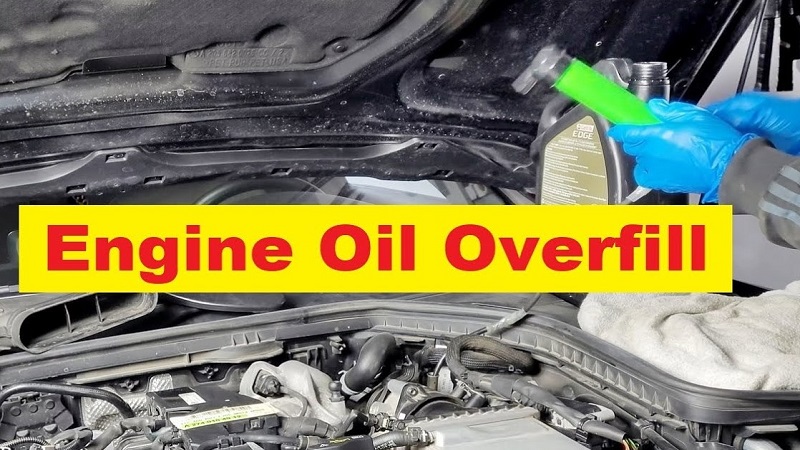
Overfilling your engine with oil may seem harmless, but it can lead to severe mechanical issues like foaming, increased pressure, and even engine failure. Excess oil traps heat, reduces lubrication efficiency, and forces components to work harder, potentially causing catastrophic engine damage. In 2026, modern engines with advanced sensors make it easier than ever to check levels accurately don’t risk it.
Key Takeaways
- Foam Formation: Too much oil creates air bubbles (foam), which reduces lubrication and increases friction between moving parts.
- Increased Pressure: Overfilled crankcases generate excessive pressure, forcing seals and gaskets to fail prematurely.
- Poor Fuel Economy: Excess oil adds drag inside the engine, reducing efficiency and increasing fuel consumption especially in 2026 hybrid models.
- Oil Leaks & Blow-By: High pressure pushes oil past seals and into combustion chambers, leading to leaks and carbon buildup.
- Sensor Malfunctions: Modern vehicles use precise oil-level sensors; overfilling can trigger false warnings or disable safety features.
- Catalytic Converter Damage: Oil entering the exhaust system coats and ruins catalytic converters, a costly repair in newer cars.
- DIY Prevention Tips: Always check dipsticks slowly, wait after turning off the engine, and never top up more than one quart at a time.
What Will Happen If You Overfill Your Engine with Oil?
In 2026, vehicle maintenance is more precise than ever. With electric powertrains becoming mainstream and internal combustion engines fine-tuned for efficiency, every detail matters including how much oil you put in your engine. Many drivers still believe that “more oil is better” when protecting their engine, but this outdated mindset could be sabotaging your car’s performance and lifespan. Overfilling your engine with oil isn’t just a minor mistake; it’s a mechanical red flag that can cascade into serious problems.
Modern engines operate under tight tolerances, relying on carefully measured amounts of clean, thin oil to reduce friction, cool components, and protect metal surfaces. When too much oil is introduced, the system becomes unbalanced. The oil pump works harder, pressure builds unexpectedly, and foam forms all of which degrade engine health. Whether you’re driving a turbocharged sedan, a high-performance coupe, or a plug-in hybrid SUV from 2026, understanding the risks of overfilling is essential to keeping your ride running smoothly.
The Science Behind Overfilled Oil
How Engine Oil Functions Normally
Under normal conditions, engine oil flows through a network of passages created by rotating crankshaft lobes and camshaft followers. It coats cylinder walls, bearings, and valve trains, forming a thin film that prevents metal-to-metal contact.
This lubrication reduces wear, dissipates heat, and helps maintain optimal operating temperatures especially important in 2026, when many vehicles feature start-stop systems and regenerative braking that stress engine components more frequently.
The oil level in your engine should stay within the manufacturer-recommended range on the dipstick typically marked “Min” and “Max.” Most passenger vehicles require between 4 to 7 quarts, depending on size and design. But what happens when you cross that line?
Crankcase Foaming: The Hidden Danger
One of the most immediate consequences of overfilling is crankcase foaming. As the crankshaft spins rapidly sometimes reaching 5,000 RPM or more – it agitates the excess oil. This agitation introduces air into the oil, creating a milky, bubbly foam. Unlike liquid oil, foam doesn’t flow properly and can’t reach critical components like connecting rod bearings or the bottom end of the engine.
This foam layer sits on top of the oil pan, separating it from the moving parts below. Without proper lubrication, metal surfaces begin to grind against each other. Over time, this leads to accelerated wear, scoring, and even seized components. In 2026, many new engines include low-oil-pressure warning lights and automatic throttling systems to prevent catastrophic failure—but only if the oil remains functional. Foamed oil defeats these safeguards.
Pressure Buildup and Seal Failure
Why Excess Oil Increases Crankcase Pressure
Engine oil isn’t just for lubrication – it also helps seal combustion gases within the crankcase. These gases, known as blow-by, escape past piston rings and enter the lower engine area. A properly sized oil volume allows the PCV (positive crankcase ventilation) system to vent these gases efficiently while maintaining balanced pressure.
But when you overfill the engine, the extra oil occupies space meant for gas circulation. This restricts airflow through the PCV valve and traps pressure inside the crankcase. The result? A pressurized environment that forces oil out through weak points in the engine’s sealing system.
Common Places Oil Leaks Occur
- Valve Cover Gaskets: Often the first sign of overpressurization. You’ll notice dark streaks around the top of the engine.
- Oil Pan Seals: Cracked or worn seals may allow oil to seep out from the bottom of the engine.
- Front/Rear Main Seals: High pressure can push oil past main bearing seals, leading to rear-drivetrain leaks in front-wheel-drive cars.
- Turbocharger O-rings: Especially vulnerable in turbocharged engines common in 2026 performance models.
These leaks aren’t just messy – they’re expensive to fix. Replacing a valve cover gasket on a 2026 turbo engine can cost $400–$800 in labor alone. And if oil drips onto hot exhaust manifolds, it creates smoke and fire hazards.
Reduced Engine Performance and Efficiency
Increased Drag and Mechanical Losses
Every ounce of excess weight inside your engine counts. While adding a few ounces of oil might not seem like much, it changes how components move. The crankshaft must spin heavier oil, increasing internal resistance. This translates to reduced horsepower and sluggish acceleration noticeable even in luxury sedans designed for smooth power delivery.
Worse yet, in 2026, many vehicles rely on precise fuel-air ratios controlled by oxygen sensors and mass airflow units. When oil mist enters the intake manifold due to blow-by, it dilutes the air-fuel mixture. The engine control unit (ECU) interprets this as a lean condition and adjusts accordingly often resulting in poor throttle response and reduced fuel economy.
Impact on Hybrid and Start-Stop Systems
Hybrid vehicles are particularly sensitive to oil levels. Their engines cycle on and off constantly, meaning they depend heavily on consistent oil pressure and flow. Overfilled oil disrupts this balance, causing erratic operation of the integrated starter-generator (ISG). Drivers may experience rough idling, delayed restarts, or even complete shutdowns during city driving frustrating in stop-and-go traffic typical of urban commutes in 2026.
Long-Term Engine Damage
Carbon Buildup and Sludge Formation
When oil mixes with blow-by gases and gets burned in the combustion chamber, it leaves behind carbon deposits. These hard, black residues coat pistons, valves, and spark plugs. Over time, this buildup reduces compression, causes misfires, and forces the ECU to compensate with richer fuel mixtures wasting money at the pump and polluting the environment.
In extreme cases, sludge forms a thick, tar-like substance that blocks oil passages. This starves critical components of lubrication, leading to premature bearing wear and potential engine knock. Rebuilding an engine to remove sludge costs tens of thousands of dollars. Preventing it starts with avoiding overfilling.
Catalytic Converter Clogging
One of the most overlooked consequences of overfilled engines is damage to the catalytic converter. Oil entering the exhaust stream coats the ceramic honeycomb structure inside the converter. This blocks exhaust flow, raises backpressure, and overheats the unit until it melts or cracks.
Replacing a catalytic converter in a 2026 vehicle can exceed $2,000 including parts and labor. Plus, a faulty converter triggers check-engine lights, fails emissions tests, and voids warranties. It’s far smarter to double-check oil levels before each change.
How to Avoid Overfilling in 2026?
Follow Manufacturer Guidelines
Each vehicle model specifies exact oil capacity in its owner’s manual. For example, a 2026 Honda Accord with a 1.5L turbo engine requires 3.7 quarts with the filter changed. A Ford F-150 EcoBoost needs 6.5 quarts. Always refer to your specific make and model don’t assume all cars use the same amount.
Check the Dipstick Correctly
Never guess. After driving your car for several minutes, park it on level ground and turn off the engine. Wait at least five minutes for oil to settle back into the pan. Then pull out the dipstick, wipe it clean, reinsert fully, and pull it again to read the level. Look for the oil mark between Min and Max—never above.
Top Off Gradually
If you notice low oil, add no more than 0.5 to 1 quart at a time. Recheck the dipstick after each addition. It’s better to under-fill slightly than risk going over. Some mechanics recommend using a funnel with a built-in measuring cup for precision.
Use Quality Tools
In 2026, many DIYers use digital oil-level sensors connected via Bluetooth to smartphones. Apps like Torque Pro or manufacturer-branded tools sync with OBD-II ports to monitor real-time oil levels and pressure. While not foolproof, they reduce human error significantly compared to dipstick-only methods.
Watch for Warning Signs
Be alert to these indicators of potential overfilling:
- White or gray smoke from the exhaust (oil burning)
- Oil leaking around valve covers or gaskets
- Rattling noises from the bottom of the engine (indicating low oil pressure due to foaming)
- Check-engine light accompanied by P0171 (lean condition) or P0300 (random misfire) codes
Conclusion: Protect Your Investment
Driving a car in 2026 means embracing technology, efficiency, and sustainability. Every decision you make from tire pressure to oil changes impacts performance, emissions, and longevity. Overfilling your engine with oil might save you a trip to the shop once, but it risks far greater expenses down the road. From foaming and leaks to catalytic converter failure and reduced fuel economy, the chain reaction of errors begins with a simple mistake.
The good news? Preventing overfilling is easy when you follow best practices: consult your manual, check the dipstick properly, add oil gradually, and trust modern diagnostic tools. By treating your engine with care, you ensure smoother rides, fewer repairs, and longer life for your vehicle. Remember oil is your engine’s lifeline. Keep it clean, at the right level, and free of foam. Your future self will thank you.
Frequently Asked Questions
Can overfilling oil really cause engine damage?
Yes, overfilling can lead to foaming, increased crankcase pressure, and oil leakage. These issues reduce lubrication efficiency and may cause serious internal wear or component failure over time.
How do I know if I’ve overfilled my engine?
Signs include white/gray exhaust smoke, oil leaks around gaskets, rattling noises, or warning lights for low oil pressure. Always verify with a dipstick after adding oil.
Is it safe to drive with slightly overfilled oil?
Short trips may be okay, but prolonged driving increases stress on seals and pumps. It’s best to drain excess oil promptly to avoid long-term damage.
Does overfilling affect hybrid engines differently?
Yes. Hybrids rely on stable oil pressure for their integrated starter-generators. Overfilling disrupts this balance, potentially causing rough idling or shutdowns during stop-start cycles.
How much oil is too much?
Any amount beyond the “Max” mark on the dipstick qualifies as overfilling. Even 1–2 extra quarts can create significant problems in modern engines.
Can I fix overfilling damage myself?
You can safely drain excess oil using a siphon pump or by removing the drain plug. However, if you notice foaming, leaks, or performance issues, consult a mechanic immediately to assess deeper damage.