
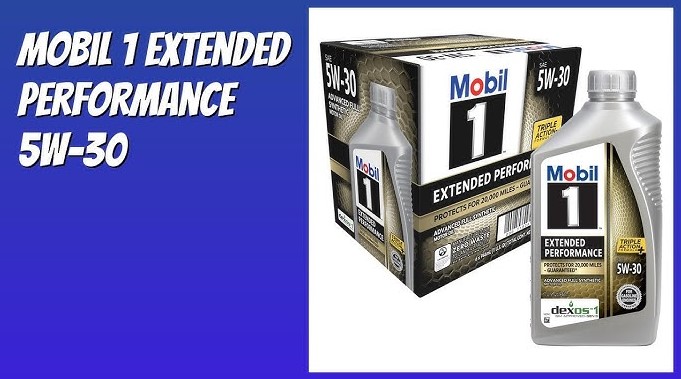
Mobil 1 Extended Performance oil promises longer drain intervals, stronger engine protection, and steady performance under pressure. Many drivers see the higher price and pause before pouring it into their engines.
This oil targets people who want fewer oil changes without risking engine health. Synthetic base oils and a boosted additive package help fight sludge, heat, and wear. Marketing claims sound bold, yet real value depends on driving habits and engine demands.
City traffic, highway miles, and extreme temperatures all test oil in different ways. Drivers who log long miles often care about durability more than short-term savings. Mechanics and lab tests offer useful clues about how this oil performs over time.
Cost, protection, and convenience all meet at the same question. This guide breaks down performance, longevity, and real-world benefits so drivers can decide with confidence. Facts replace hype here, making the choice clearer before the next oil change.
Is Mobil 1 Extended Performance Worth It?
Mobil 1 Extended Performance oil has drawn attention from many car owners. People want oil that protects engines and lasts long. This article explains in clear, easy words.
You will learn what this oil does, how it works, and whether it fits your car and driving style. Every part has simple explanations. No sales language. Real facts you can use.
What Mobil 1 Extended Performance Oil Is?
Mobil 1 Extended Performance is a full synthetic motor oil. Synthetic oil starts as a man-made fluid. Engineers design it to resist breakdown. It fights heat, friction, and engine stress better than conventional oils.
This oil claims up to 20,000 miles of use before a change. That number is higher than many standard oils and many synthetic oils on the market.
Full synthetic oil:
-
Flows well at cold temperatures
-
Stays stable at high heat
-
Keeps engine parts clean
Many car makers allow synthetic oil in modern engines. Always check your car’s manual first.
How Engine Oil Works?
Engine oil has three main jobs:
-
Lubricate moving parts – Teeth, bearings, and pistons move fast. Oil creates a thin film between metals. This stops metal-to-metal contact. Less contact means less wear.
-
Clean engine parts – Combustion creates soot and deposits. Good oil carries tiny particles to the filter. Clean oil keeps pistons and rings moving freely.
-
Cool engine parts – Oil absorbs heat from friction and hot spots. Heat spreads evenly and exits through the oil cooler.
Oil must do all three jobs well. Mobil 1 Extended Performance oil focuses on long life and strong protection.
Key Features and Technical Benefits

Long Oil Life
Mobil 1 Extended Performance oil can last up to 20,000 miles under normal driving. Normal driving means:
-
Highway miles
-
Moderate temperatures
-
Regular engine maintenance
Most conventional oils need a change at 3,000 to 5,000 miles. Many standard synthetic oils suggest 7,500 to 10,000 miles. Extended Performance goes beyond that.
Long life saves time and service costs.
Protection Against Wear
This oil contains advanced anti-wear additives. These chemicals form a protective layer on metal surfaces. This layer reduces friction and metal wear.
Oil tests use a “wear scar diameter” number. Lower numbers mean better protection. Mobil 1 Extended Performance shows strong wear protection in lab tests.
Thermal and Oxidation Stability
Heat breaks oil down. Broken oil forms sludge and loses strength. Synthetic oils resist this. Mobil 1 Extended Performance holds its structure under high temperatures.
Stable oil keeps viscosity in range. Viscosity means thickness. Too thin oil stops protecting the engine well.
Deposit and Sludge Control
Engines create sludge when oil breaks down. Sludge blocks small passages and slows oil flow. This oil resists sludge better than many conventional oils.
Clean engines run smoother and breathe better.
Cold-Weather Performance
Cold starts are hard on engines. Oil must flow quickly at low temperatures. Synthetic oils like this one move fast on cold mornings. Faster flow means quicker engine protection.
How It Performs in Real Driving?
Drivers report:
-
Smooth operation over long miles
-
Reduced engine noise
-
Clean oil color even after many miles
Real tests show this oil stays cleaner than average conventional oil after long use. That means fewer deposits in the engine.
Fuel Economy Impact
Every engine loses some power to friction. Good oil lowers friction. Lower friction helps the engine breathe easier.
Fuel savings are small but real. Typical improvements may be 1 to 3 percent. Your driving style affects this number. Highway driving often sees better results than stop-and-go.
Cost vs. Value Breakdown
Mobil 1 Extended Performance costs more per quart than many basic oils. Price matters. But long drain intervals often cut total yearly cost.
Example:
-
Standard oil change every 5,000 miles
-
Extended oil change every 15,000 to 20,000 miles
You may do 3 or 4 changes a year with standard oil. With Extended Performance, you might do 1 or 2.
Fewer changes means:
-
Lower service shop costs
-
Fewer oil filters bought
-
Less time spent at the shop
So the oil may cost more upfront but save money over time.
Who Should Consider This Oil?
Best for:
-
Highway drivers
-
People who want fewer oil changes
-
Late-model cars that allow long drain oils
Highway miles are easier on oil than city traffic. Less stop-and-go heat means oil lasts longer.
Not Best for:
-
Very old engines with leaks
-
Severe stop-and-go city traffic
-
Cars that need oil changes more often per manual rules
Some engines and driving types wear oil faster. Always follow the car maker’s rule.
Engine Compatibility and Manual Rules
Car manuals list oil weight and type. They also give oil change intervals. Follow these rules to keep your warranty safe.
Some warranties require proof of regular oil changes. Using a long-life oil without adjusting intervals can risk coverage.
Always check the manual for:
-
Oil weight (like 5W-30, 0W-20)
-
Change interval recommendations
-
Special service codes
Wrong oil weight can reduce protection and hurt fuel economy.
Environmental and Practical Points
Fewer oil changes reduce waste oil disposal. Less packaging ends in landfills. Changing oil less often means fewer service visits.
Less waste and fewer shop trips help the environment and save time.
Common Myths
Myth: Long-life oil hurts engines
Fact: Good synthetic oil protects longer, not worse, if used correctly.
Myth: All cars can use long-life oil
Fact: Only cars that manual allows extended drains should use it.
Manual rules matter more than oil claims.
FAQs
How long can this oil truly last?
It can last up to 20,000 miles in normal driving. Severe driving can shorten this.
Can old engines benefit?
Yes, cleaner oil helps, but old engines may need more frequent changes.
Does it improve fuel economy much?
Small improvements are common. Driving habits change results more than oil type.
Is it safe for turbo engines?
Yes, turbo engines run hot. This oil handles heat well if the manual allows it.
Can I mix it with other oil?
Short top-offs are okay. For full changes, best to use one oil type at a time.
Final Thoughts
Mobil 1 Extended Performance oil offers strong protection and long drain life. It saves time and service cost for many drivers. Long highway miles see the greatest benefit. City traffic with heavy stops and heat may shorten intervals.