
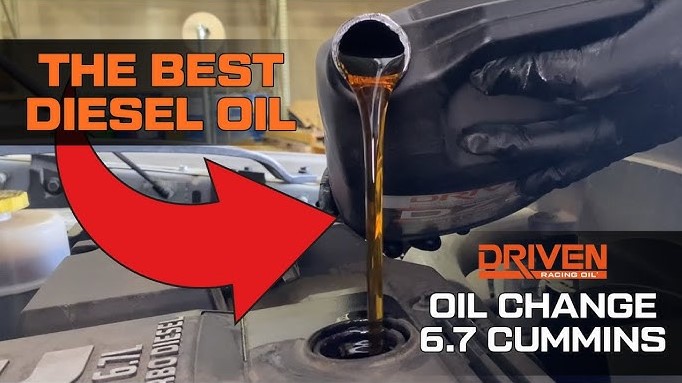
Choosing the right oil for a diesel engine is essential for performance and longevity. In 2026, advanced formulations like synthetic blends and low-sulfur diesel oils offer superior protection. Always check your owner’s manual and match oil to your engine type whether it’s a pickup truck, heavy-duty hauler, or marine diesel.
Key Takeaways
- Diesel-specific oils: Regular motor oil won’t cut it. Diesel engines need oils formulated to handle higher compression ratios and soot buildup.
- Viscosity matters: Use the grade recommended by your manufacturer commonly 15W-40 or 10W-30 based on climate and load.
- API certification: Look for “CK-4” or “FA-4” ratings from the American Petroleum Institute for modern engines.
- Synthetic vs. conventional: Synthetic blends last longer, resist sludge, and perform better in extreme temperatures.
- Low-ash formulas: Reduces emissions system wear, especially critical for engines with DPF (Diesel Particulate Filters).
- Change intervals: Follow OEM guidelines, but consider more frequent changes if towing or driving in dusty conditions.
- Brand reliability: Stick to trusted brands like Mobil 1, Shell Rotella, or Pennzoil Ultra Platinum for proven results.
What Type of Oil for a Diesel Engine?
So you’ve got a diesel-powered vehicle maybe a rugged pickup, a delivery van, or even a boat and you’re wondering: What type of oil for a diesel engine should I use? It’s a great question because, unlike gasoline engines, diesel engines have unique demands. They run hotter, under heavier loads, and often deal with soot and combustion byproducts that can clog up your engine if you don’t choose the right lubricant.
In 2026, engine technology has evolved significantly, and so has the oil designed to support it. Modern diesels are more efficient, cleaner, and require smarter lubrication solutions. Whether you’re maintaining a personal truck or managing a fleet of commercial vehicles, picking the wrong oil can lead to premature wear, reduced fuel economy, and costly repairs. But don’t worry this guide will walk you through everything you need to know to make an informed decision.
Let’s start by understanding what makes diesel oil different from regular motor oil. Then we’ll dive into the latest oil types, how to read labels, and practical tips to keep your diesel running smoothly.
Why Diesel Engines Need Special Oil?
Diesel engines operate differently than gas engines. They use compression ignition—meaning air gets compressed until it heats up enough to ignite the fuel automatically. This process creates much higher combustion temperatures and pressures, which puts extra stress on engine components.
Because of this, diesel engines generate more soot and carbon deposits. Over time, these particles can accumulate and cause sludge, reduce lubrication efficiency, and damage critical parts like turbochargers and cylinder walls. That’s why standard motor oil, designed for gasoline engines, isn’t ideal for diesel applications.
Diesel-specific oils are engineered to:
– Handle high soot loads without breaking down
– Prevent sludge formation
– Protect turbocharger bearings
– Support emissions systems like EGR (Exhaust Gas Recirculation) and DPFs (Diesel Particulate Filters)
Using the wrong oil can void warranties and shorten engine life. So always look for oils labeled as “diesel” and certified by organizations like the American Petroleum Institute (API).
Understanding Viscosity Grades
One of the first things you’ll notice on any oil bottle is the viscosity rating like 15W-40 or 10W-30. But what does that actually mean?
Viscosity refers to how thick or thin the oil is at different temperatures. The number before the “W” (Winter) tells you how well the oil flows when cold. The lower the number, the better it flows in freezing conditions. The second number shows performance at operating temperature.
For most diesel trucks and SUVs in 2026, common viscosities include:
– 15W-40: Popular for older and heavy-duty diesels. Great for hot climates and high-load use.
– 10W-30: Ideal for moderate climates and newer light-duty diesel engines.
– 5W-40: Offers excellent cold-weather protection and high-heat stability great for synthetic blends.
Always check your owner’s manual. Using the wrong viscosity can cause poor fuel economy, increased engine wear, or even oil starvation during startup.
Climate Considerations
If you live in Arizona, you might prefer 15W-40 for its heat resistance. But if you’re in Minnesota, a thinner oil like 10W-30 or 5W-40 helps the engine turn over easily in sub-zero temps.
Modern synthetics often perform better across a wider range of temperatures, which is why many drivers are making the switch.
API and ACEA Certifications Explained
You’ve probably seen acronyms like API CK-4 or ACEA E9 on oil bottles. These are quality standards that ensure the oil meets specific performance requirements.
The API (American Petroleum Institute) sets the bar for diesel engine oils. As of 2026, the top-tier ratings are:
– CK-4: For high-performance modern diesels. Offers improved oxidation resistance and soot control.
– CJ-4: Older standard; still acceptable but less protective than CK-4.
– FA-4: Specifically for engines with advanced emissions systems and high thermal stress. Found in newer heavy-duty trucks.
Meanwhile, the ACEA (European Automobile Manufacturers Association) uses slightly different classifications:
– E7, E8, and E9 denote performance levels for heavy-duty diesel engines.
– E9 is the highest grade, offering superior protection for turbocharged and intercooled engines.
When shopping, look for oils that carry both API and ACEA certifications if you drive a European-made diesel.
Synthetic vs. Conventional Diesel Oil
This is one of the biggest debates among diesel owners. Should you go synthetic or stick with conventional oil?
Conventional Oil
Made from refined crude oil. It works fine for older engines and mild use. However, it breaks down faster under high heat and soot exposure. Change intervals are typically every 3,000–5,000 miles.
Synthetic Blend
A mix of conventional and full synthetic oils. Offers better performance than straight conventional, but not as robust as full synthetics. Good middle ground for budget-conscious drivers.
Full Synthetic
Engineered in labs using base stocks like Group III, IV, or V. Resists breakdown, handles extreme temperatures, and lasts longer. Ideal for modern diesels with tight tolerances and advanced emissions tech.
In 2026, many manufacturers recommend full synthetic for all new diesel models. It reduces maintenance costs over time and protects sensitive components.
Low-Ash Formulas and Emissions Systems
Modern diesel engines come equipped with emissions control systems like DPFs and SCR (Selective Catalytic Reduction). These rely on clean, low-ash oil to function properly.
High-ash oils leave behind deposits that can clog the DPF, requiring expensive forced regeneration or even replacement. That’s why today’s premium diesel oils are formulated with low-ash additives.
Look for terms like:
– “Low SAPS” (Sulfated Ash, Phosphorus, Sulfur)
– “DPF-friendly”
– “OBD II compliant”
Using the right oil keeps your emissions system running clean and avoids costly repairs.
Top Brands and Recommendations for 2026
With so many options, choosing a brand can feel overwhelming. Here are some of the most reliable diesel oils available in 2026:
| Brand | Best For | Key Feature |
| Mobil 1 ESP 5W-40 | High-performance diesels | Fully synthetic, low ash, excellent wear protection |
| Shell Rotella T6 15W-40 | Heavy-duty trucks | Advanced soot control, extended drain capability |
| Pennzoil Ultra Platinum 5W-40 | Modern light-duty diesels | MaxLife Technology, reduces engine knock |
| Valvoline Premium Blue 15W-40 | Older and medium-duty diesels | High zinc content for anti-wear protection |
Each of these brands offers products with proper API and ACEA ratings. Pair them with a quality filter, and you’ll enjoy smoother operation and longer engine life.
## How Often Should You Change Diesel Oil?
Most manufacturers recommend changing diesel oil every 7,500 to 10,000 miles under normal conditions. But “normal” depends on how you drive.
If you frequently:
– Tow heavy loads
– Drive in dusty environments
– Idle for long periods
– Operate in extreme temperatures
…then you may need shorter change intervals even as short as every 5,000 miles.
Many modern synthetics now support up to 15,000-mile drains thanks to improved additive packages. Just make sure your oil meets the same API standards and doesn’t exceed manufacturer limits.
Pro tip: Keep track of mileage and weather patterns. A digital reminder app or calendar note can prevent missed changes.
Common Mistakes to Avoid
Even experienced diesel owners sometimes make mistakes. Here are a few pitfalls to watch out for:
– Mixing oil types: Don’t combine conventional and synthetic oils unless specified by the manufacturer.
– Ignoring the dipstick: Always check oil level before starting the engine in cold weather.
– Overfilling: Too much oil causes foaming and pressure issues.
– Skipping the filter: The oil filter traps contaminants. Replace it every time you change oil.
And never assume “all diesel oil is the same.” While some multi-grade oils work across platforms, always verify compatibility with your engine model.
Final Thoughts
Choosing the right oil for your diesel engine in 2026 doesn’t have to be complicated. Focus on three key factors: viscosity, certification, and oil type. Match these to your vehicle’s specs, driving habits, and environment.
Whether you opt for a trusted name like Shell Rotella or invest in a premium synthetic like Mobil 1, the goal is consistent protection. Modern diesel engines are built to last, but they need the right care to reach their potential.
By following manufacturer guidelines, staying updated on oil advancements, and avoiding common errors, you’ll keep your diesel running strong for years to come. After all, a well-maintained diesel isn’t just reliable it’s also a joy to drive.
Key Takeaways
- Understanding what type of oil for a diesel engine: Provides essential knowledge
Frequently Asked Questions
Can I use regular motor oil in a diesel engine?
No, regular gasoline motor oil lacks the additives needed to handle high soot loads and thermal stress in diesel engines. It can lead to sludge, turbo damage, and emissions failures. Always use oil specifically rated for diesel engines.
Is synthetic oil worth it for my diesel truck?
Yes, especially for modern diesels. Synthetic blends and full synthetics offer better heat resistance, longer life, and improved protection for turbochargers and emissions systems. They’re ideal if you tow, drive in harsh conditions, or want peace of mind.
What does 15W-40 mean for diesel oil?
It’s a viscosity grade. The “15W” means the oil flows well in cold starts (down to ~15°F), while “40” indicates thickness at operating temperature (~212°F). Most heavy-duty diesels use 15W-40 for balanced performance.
How do I know if my diesel oil needs changing?
Check your owner’s manual for intervals typically every 7,500–10,000 miles. Also look for signs like dark, gritty oil on the dipstick, reduced fuel economy, or warning lights related to emissions or engine performance.
Are low-ash oils necessary for modern diesels?
Absolutely. Low-ash oils prevent buildup in DPFs and SCR systems. Using high-ash oil can clog your emissions components and trigger expensive repairs. Most premium diesel oils in 2026 are formulated as low-SAPS.
Can I mix different brands of diesel oil?
Only if they’re fully compatible and meet the same API/ACEA standards. It’s safest to avoid mixing altogether. If you must, flush the system first and ensure both oils are the same viscosity and type (e.g., synthetic blend + full synthetic).