
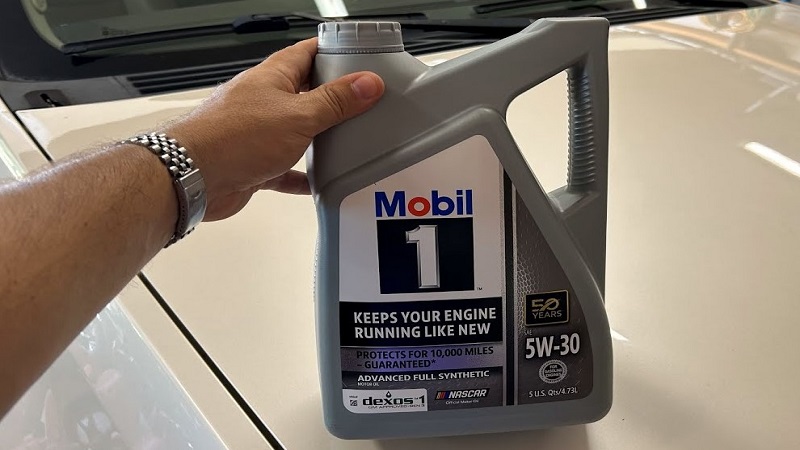
Mobil 1 stands as one of the most recognized names in motor oil. Drivers across the world trust this brand for engine care and long-term protection. Many car owners ask a simple question before every oil change.
Does Mobil 1 really deliver better performance than regular oil? This short guide breaks down the facts in a clear and practical way. Synthetic oil promises cleaner engines, smoother starts, and longer service intervals.
Mobil 1 claims advanced formulas, strong wear control, and stable viscosity in extreme heat and cold. Real-world driving conditions test every promise on the label. Daily commutes, heavy traffic, and long highway runs all reveal how oil performs over time.
This article explains what makes Mobil 1 different, how it protects modern engines, and who benefits most from using it. A closer look helps drivers decide with confidence before the next oil change.
Table of Contents
ToggleIs Mobil 1 Synthetic Oil Good?
Mobil 1 synthetic oil remains one of the most discussed engine oils in the world. Many drivers want a clear answer. Is Mobil 1 synthetic oil good for real use on real roads?
This guide explains every key point in simple language. Short lines. Clear ideas. Easy reading.
This article helps non-native readers understand how this oil works, what it offers, and who should use it.
What Mobil 1 Synthetic Oil Really Is?
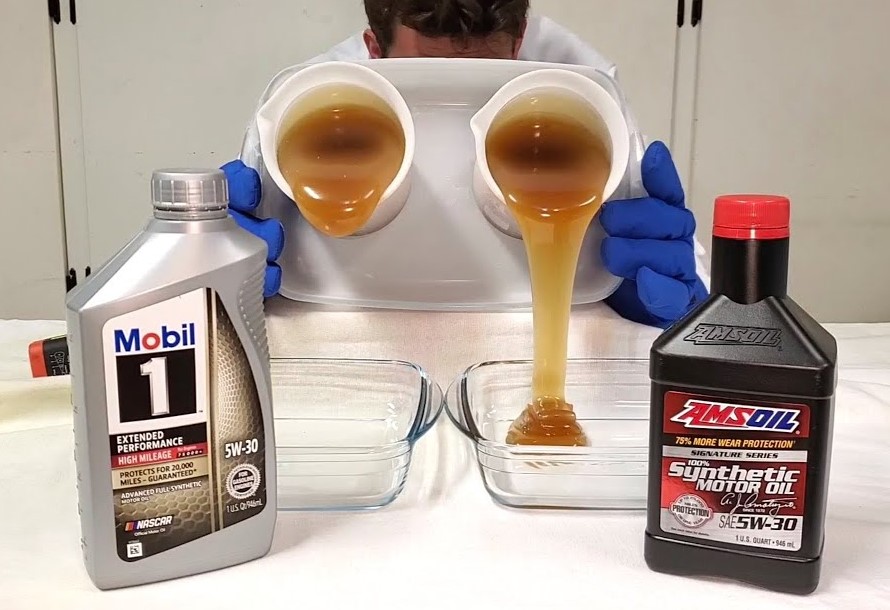
Mobil 1 is a full synthetic motor oil. Engineers build this oil in a lab. This process controls every part of the oil.
Regular oil comes from crude oil. Synthetic oil comes from designed molecules. These molecules stay stable. They resist heat. They resist thickening.
Mobil 1 keeps a steady thickness in hot and cold weather. That steady flow protects engines in all seasons.
Base Oil Quality
Mobil 1 uses high quality base oil. This base oil has fewer impurities. Clean base oil reduces sludge.
Low impurity oil:
-
Slows deposit build up
-
Keeps oil passages open
-
Protects small engine parts
Better base oil means longer engine life.
How Mobil 1 Reduces Engine Wear?
Metal parts move thousands of times per minute. Friction causes heat. Heat causes wear. Mobil 1 creates a thin but strong oil film. This film stays between metal parts. Metal does not touch metal.
Less contact means:
-
Less wear on bearings
-
Less damage to camshafts
-
Less scoring on cylinder walls
Small wear over time turns into big engine problems. Good oil slows this process.
Start-Up Wear Control
Most engine wear happens in the first few seconds after start. Cold oil moves slowly. Thick oil leaves parts dry for a short time. Mobil 1 flows fast in cold weather. The oil reaches parts in seconds. Protection begins early.
This feature helps drivers who:
-
Start cars often
-
Drive short trips
-
Live in cold areas
Heat Resistance and Oxidation Control
Engines create extreme heat. Turbo engines create more heat. High heat breaks weak oil. Broken oil forms varnish and sludge. Mobil 1 resists oxidation. The oil does not break down fast. The oil stays usable longer.
Strong oxidation control gives:
-
Stable viscosity
-
Fewer deposits
-
Cleaner pistons and rings
Clean rings seal better. Better seal improves compression and power.
Sludge and Deposit Control
Sludge blocks oil flow. Blocked flow starves parts. Mobil 1 contains strong detergents. These detergents clean old dirt. They keep new dirt in suspension.
Clean oil paths allow:
-
Better oil pressure
-
Even lubrication
-
Cooler running temperature
Sludge control protects engines that run short trips or idle often.
Oil Thickness and Viscosity Stability
Oil must stay in the right thickness range. Too thick oil moves slow. Too thin oil fails to protect. Mobil 1 holds viscosity stable. Heat does not thin it too much. Cold does not thicken it too much.
Stable viscosity means:
-
Steady oil pressure
-
Consistent protection
-
Smooth engine operation
This matters in stop and go traffic and highway driving.
Oil Change Interval and Long Life
Mobil 1 supports extended oil change intervals.
Many formulas last:
-
7,500 miles
-
10,000 miles
-
Up to 15,000 miles in some cases
Long life comes from:
-
Strong base oil
-
Oxidation control
-
Stable additives
Always follow the car manual. Some engines need shorter intervals.
Fuel Economy Impact
Friction wastes fuel.
Mobil 1 reduces internal drag. Parts move easier. The engine works less to produce the same power.
Small fuel gains add up over time.
Better flow also helps:
-
Faster warm up
-
Smoother throttle response
-
Reduced pumping losses
Fuel savings remain modest but real.
Performance in Modern Engines
Modern engines use tight clearances. Small oil passages need clean oil.
Mobil 1 meets many modern standards:
-
API SP
-
ILSAC GF-6
These approvals show compatibility with:
-
Direct injection engines
-
Turbocharged engines
-
Hybrid engines
Modern engines run hot. Mobil 1 handles that heat well.
Performance in High Mileage Engines
Old engines face new problems.
Common issues include:
-
Seal hardening
-
Oil leaks
-
Higher oil consumption
Mobil 1 High Mileage includes seal conditioners. These soften old seals. Leaks reduce over time.
Extra anti-wear additives protect worn parts. Many drivers see smoother running.
Different Mobil 1 Formulas Explained
Mobil 1 offers many choices.
Mobil 1 Advanced Fuel Economy
Thin oil for better fuel savings. Fits small modern engines.
Mobil 1 Extended Performance
Designed for long drain intervals. Strong oxidation control.
Mobil 1 High Mileage
Built for engines over 75,000 miles. Helps reduce leaks and burning.
Mobil 1 Turbo Diesel
Designed for heavy load diesel engines. Handles soot and high heat.
Choosing the right formula matters more than the brand name alone.
Real-World Durability
Many fleets use Mobil 1. Long tests show:
-
Lower wear metals in oil tests
-
Cleaner engines after teardown
-
Stable viscosity after long use
Lab tests and field tests support its claims.
Cost Versus Long-Term Value
Mobil 1 costs more than basic oil.
Higher price brings:
-
Fewer oil changes
-
Lower wear rates
-
Lower risk of engine damage
Engine repairs cost far more than oil. Long life oil reduces that risk.
Who Should Use Mobil 1
Mobil 1 fits:
-
Daily drivers
-
Highway commuters
-
Turbo engine owners
-
High mileage car owners
Drivers who change oil often may not need full synthetic. Drivers who keep cars long benefit more.
Who May Not Need Mobil 1?
Very old engines with loose clearances may prefer thicker conventional oil. Short term car owners may not gain full value.
Oil choice depends on:
-
Engine design
-
Driving style
-
Service plan
FAQs
Does Mobil 1 clean old engines
Mobil 1 detergents remove light deposits. Heavy sludge needs manual cleaning first.
Can Mobil 1 stop oil burning
High Mileage versions may reduce burning. Worn rings still burn oil.
Is Mobil 1 safe for turbo engines
Mobil 1 handles turbo heat well. Many turbo makers approve it.
Can Mobil 1 mix with other oils
Mixing causes no damage. Full benefit comes from full synthetic use.
Does Mobil 1 improve engine sound
Many drivers hear smoother running. Quieter operation often appears after few days.
Conclusion
Mobil 1 synthetic oil offers strong wear protection, heat stability, and long service life. Clean additives reduce sludge. Fast cold flow protects during start. Stable thickness protects during heavy load.
Drivers who care about long engine life often choose Mobil 1. Proper oil type and regular service still matter most. Good oil supports a healthy engine for many years.