
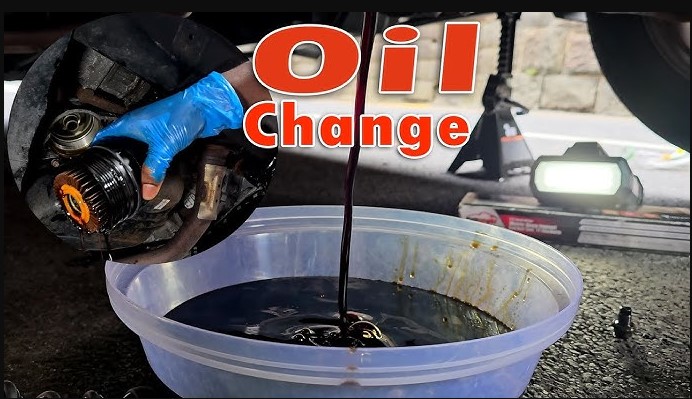
Changing your car’s engine oil is one of the easiest ways to maintain performance and extend engine life. Whether you choose a quick-lube chain, a local mechanic, or do it yourself at home, knowing where to go ensures quality results without breaking the bank. In 2026, options range from eco-conscious garages to high-tech service centers, all focused on reliability and customer satisfaction.
Key Takeaways
- Dealerships offer manufacturer-recommended oils and warranties: Ideal for new or luxury vehicles needing exact specifications.
- Independent auto shops provide personalized service at lower prices: Often more flexible and community-focused than big chains.
- Quick-lube franchises are fast but vary in quality: Choose well-reviewed locations like Valvoline or Jiffy Lube for consistency.
- DIY oil changes save money and teach vehicle maintenance: With the right tools and safety gear, it’s a rewarding skill for any driver.
- Mobile oil change services bring convenience to your door: Perfect for busy schedules or hard-to-reach garages.
- Look for certified technicians and eco-friendly disposal: Ensures responsible handling of used oil and filters.
- Regular oil changes prevent costly engine damage: Follow your owner’s manual schedule for optimal performance.
Where to Change Car Engine Oil: Your Guide to 2026
Let’s face it car ownership comes with its fair share of routine tasks. Among the most important (and easiest to overlook) is changing your engine oil. In 2026, we’re seeing more drivers prioritize vehicle health, not just convenience. That means knowing where to change car engine oil isn’t just about finding the cheapest option – it’s about choosing a place that matches your needs, values, and lifestyle.
Whether you drive a hybrid, electric, or traditional gasoline-powered car, regular oil changes keep your engine clean, reduce wear, and improve fuel efficiency. But with so many choices dealerships, independents, mobile services, and DIY setups – where do you start? This guide walks you through every option, helping you make an informed decision that protects your investment and gives you peace of mind.
1. Dealership Service Centers: The Gold Standard
If you own a newer vehicle or a luxury brand like BMW, Mercedes-Benz, or Tesla, your manufacturer likely recommends servicing at an authorized dealership. These centers use OEM (Original Equipment Manufacturer) parts and follow factory-recommended procedures, which can be especially important if your car has advanced engine technology or warranty coverage.
Why Choose a Dealership?
Dealerships employ certified technicians who understand the specific requirements of your make and model. They also use synthetic blends or full synthetics designed for your engine’s tolerances. Plus, if something goes wrong after service, you’re covered under warranty terms something independent shops can’t always guarantee.
However, dealerships aren’t always the most affordable. Prices can be 20–40% higher than local mechanics. But for high-mileage vehicles or those still under warranty, this added cost may be worth the assurance of proper care.
Pro Tip:
Ask if they offer loyalty programs or seasonal discounts. Some dealerships run promotions during slow months or bundle oil changes with inspections to save you money.
2. Independent Auto Shops: Personalized & Affordable
Independent mechanics are often the unsung heroes of car maintenance. These locally owned shops typically charge less than dealerships and offer honest, no-nonsense service. Many have decades of experience and develop relationships with their customers meaning they remember your car’s history and recommend what’s truly needed.
What Makes Independents Stand Out?
Unlike big chains, independent shops usually don’t push unnecessary upsells. They focus on transparency and long-term reliability. You’ll often find them using reputable brands like Mobil 1, Pennzoil, or Valvoline not store-branded oils that may lack consistent quality.
In 2026, many independent garages have upgraded to digital scheduling, online quotes, and even video inspections. Some even partner with local recycling centers to ensure used oil and filters are disposed of responsibly.
Finding a Trusted Independent Shop
- Check Google Reviews and Yelp for recent feedback
- Ask neighbors or coworkers for recommendations
- Visit the shop in person notice how clean and organized it is
- Request a written estimate before any work begins
3. Quick-Lube Chains: Speed Meets Convenience
Brands like Jiffy Lube, Valvoline Instant Oil Change, and Firestone Complete Auto Care dominate the quick-service market. These chains specialize in fast, walk-in oil changes usually completed in under 30 minutes. They’re ideal for people with tight schedules who still want professional service.
Pros and Cons of Quick-Lube Chains
Advantages: No appointment needed, nationwide availability, extended hours (some open until 10 PM), and often include multi-point inspections.
Caveats: Quality can vary by location. Some stores use cheaper conventional oil instead of synthetics, even if your car calls for full synthetic. Always confirm the type of oil being used before agreeing to service.
How to Pick a Reliable Quick-Lube Location
- Read reviews specifically mentioning oil type and technician knowledge
- Avoid locations with frequent complaints about upselling
- Call ahead to ask if they perform brake or filter checks
4. Mobile Oil Change Services: Bring the Garage to You
In 2026, mobile oil change companies like YourMechanic, Mister Transmission, and local startups are growing rapidly. These services come directly to your driveway, apartment complex, or office parking lot. All tools, equipment, and disposal containers travel with the technician.
Who Benefits Most from Mobile Services?
Drivers with mobility issues, parents dropping off kids at school, professionals who can’t take time off work, or anyone living in apartments without garage access. It’s also great for fleet managers wanting to service multiple vehicles efficiently.
What to Expect
A typical mobile oil change includes draining old oil, replacing the filter, adding fresh oil (usually 5 quarts), and checking fluid levels. Technicians arrive in branded trucks stocked with premium oils and EPA-compliant waste containers. Most charge slightly more than in-shop services due to travel time, but the convenience factor is hard to beat.
Eco-Friendly Edge
Many mobile services emphasize sustainability using biodegradable rags, minimizing water waste, and partnering with certified recycling facilities. Some even donate a portion of profits to environmental causes.
5. DIY Oil Changes: Save Money and Learn Your Car
For the hands-on driver, doing your own oil change is both economical and empowering. With basic tools and a little know-how, you can save $30–$70 per service. Plus, you’ll understand exactly what’s going into your engine no surprises.
When Is DIY Right for You?
This route works best if you:
- Own a vehicle under 10 years old with standard maintenance needs
- Have space in a garage, driveway, or covered parking area
- Are comfortable using wrenches, jacks, and drain pans
- Don’t mind getting a bit dirty (oil stains fade!)
Step-by-Step DIY Checklist
- Park on level ground and let the engine cool slightly
- Gather tools: socket wrench, oil filter wrench, funnel, gloves, safety glasses
- Place drain pan under oil pan and remove drain plug
- Replace old oil filter (apply light coat of new oil to gasket first)
- Add fresh oil through dipstick tube check level with dipstick
- Dispose of used oil at approved recycling centers (most auto parts stores accept it free)
Safety First!
Never smoke near an open engine bay. Work in a ventilated area. Dispose of used oil properly never pour it down storm drains or into the trash.
6. Hybrid & Electric Vehicle Considerations
As EVs and hybrids grow in popularity, so do their unique maintenance needs. While some EVs don’t require traditional oil changes (due to electric motors), others especially plug-in hybrids still use internal combustion engines that need regular lubrication.
EV vs. PHEV Maintenance
True EVs (like Tesla Model 3, Nissan Leaf): No engine oil needed unless servicing the transmission cooling system.
Plug-In Hybrids (Toyota Prius Prime, Ford Escape PHEV): Require standard oil changes every 5,000–7,500 miles, depending on driving habits.
Always consult your owner’s manual. Some manufacturers now recommend synthetic oils for hybrid powertrains to handle frequent stop-start cycles.
Where to Service Your Hybrid
Choose specialists familiar with hybrid systems. Many dealerships now have dedicated hybrid technicians, but independent shops are catching up with training and diagnostic tools.
Conclusion: Match the Service to Your Needs
So, where should you change your car engine oil? The answer depends on your priorities: cost, convenience, expertise, or environmental impact. In 2026, you’re not limited to one choice you can mix and match based on your schedule and vehicle needs.
Remember, consistency matters more than perfection. Whether you go to a dealership, independent shop, or change it yourself, sticking to the recommended interval (usually every 5,000–10,000 miles for synthetics) keeps your engine healthy for years to come.
And don’t forget: wherever you choose, verify the oil type, inspect the filter, and ask about fluid top-offs. A quick chat with the technician can prevent future problems and save you money down the road.
Frequently Asked Questions
Is it better to get my oil changed at a dealership or an independent shop?
It depends on your vehicle and priorities. Dealerships offer OEM-grade parts and warranty protection, ideal for new or luxury cars. Independent shops often provide more affordable, personalized service with experienced mechanics great for older vehicles or routine maintenance.
Can I reuse old engine oil instead of changing it?
No. Used oil contains contaminants like metal particles, carbon buildup, and degraded additives that reduce lubrication efficiency. Modern engines rely on clean, high-quality oil to function properly reusing old oil leads to sludge, reduced performance, and premature engine wear.
How often should I change my car’s engine oil?
Most modern vehicles require oil changes every 5,000–10,000 miles if using synthetic oil. Check your owner’s manual some high-performance or turbocharged engines may need more frequent changes. Severe driving conditions (frequent short trips, stop-and-go traffic, extreme temperatures) may shorten intervals to 3,000–5,000 miles.
What’s the difference between conventional, synthetic blend, and full synthetic oil?
Conventional oil is refined from crude oil and works well for older, low-mileage engines. Synthetic blend combines conventional with lab-made molecules for better performance. Full synthetic offers superior protection, cleaner operation, and longer life ideal for modern engines, especially in hot climates or heavy use.
Do I really need an oil filter replacement every time?
Yes. The oil filter traps debris and prevents it from circulating in your engine. Even if it looks clean, filters lose efficiency over time. Skipping filter changes risks contamination and reduces the benefits of fresh oil. Most professionals replace it with every oil change.
Can I mix different brands of motor oil?
Technically yes most modern oils are compatible but it’s not recommended. Mixing brands or types (e.g., conventional with synthetic) can affect performance and void manufacturer warranties. Stick to the same specification (e.g., API SP, ILSAC GF-6) for best results.