
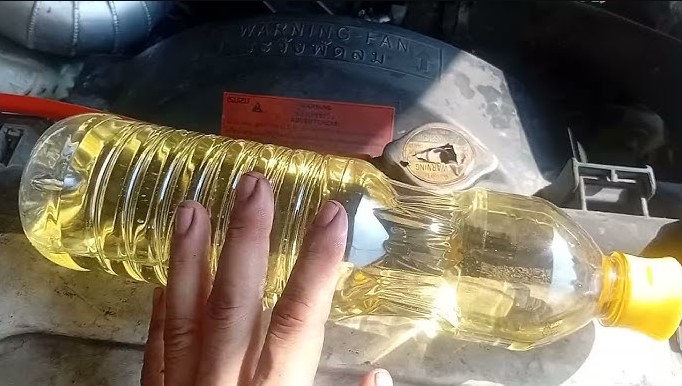
Diesel mixing with engine oil is a serious issue that can damage your engine and reduce efficiency. This happens mainly due to faulty fuel injectors, worn piston rings, or problems with the fuel pump. If left unchecked, it leads to increased emissions, poor fuel economy, and costly repairs. Understanding the causes helps you prevent damage and maintain optimal engine health. Regular maintenance and timely inspections are key to avoiding this common but dangerous problem.
Why Diesel Mix with Engine Oil
Have you ever heard someone say their engine oil smells like diesel? Or noticed white smoke pouring from the exhaust and wondered what’s going on? In 2026, with stricter emissions standards and advanced engine designs, even small mechanical issues can have big consequences. One such concern is when diesel mixes with engine oil. It might sound strange after all, diesel and oil serve very different purposes but this crossover can happen, and when it does, it’s a sign something’s seriously wrong under the hood.
Engine oil is designed to lubricate moving parts, reduce friction, and protect metal surfaces. Diesel fuel, on the other hand, is meant for combustion not lubrication. When diesel enters the oil system, it disrupts this balance. The result? Increased engine wear, reduced performance, and potentially catastrophic damage if not addressed quickly. In this article, we’ll explore exactly why diesel ends up in engine oil, how to spot it early, and what you can do to fix and prevent it.
Key Takeaways
- Diesel contamination sources: Common causes include leaking fuel injectors, cracked piston rings, and compromised seals or gaskets.
- Performance impact: Diesel in engine oil reduces lubrication, increases friction, and accelerates wear on internal components.
- Symptoms to watch for: White smoke from exhaust, loss of power, rough idling, and unusually high oil consumption are red flags.
- Environmental effects: Contaminated oil leads to higher emissions, failing vehicle inspections, and potential environmental harm.
- Prevention strategies: Regular oil changes, using high-quality filters, and prompt repair of fuel system issues minimize risk.
- Professional diagnosis: A mechanic can test oil samples and inspect components to confirm diesel presence and recommend fixes.
- Cost of neglect: Ignoring diesel in oil can lead to engine failure, requiring expensive rebuilds or replacements.
Understanding the Engine Oil System
To understand why diesel gets into engine oil, let’s first look at how the oil system works. Inside any internal combustion engine especially diesel engines there’s a complex network of passages that carry oil to critical areas like the crankshaft, camshaft, and pistons. This oil forms a protective film between moving parts, preventing metal-to-metal contact and reducing heat buildup.
In modern engines, especially those used in heavy-duty trucks or diesel-powered vehicles, the oil also helps cool components and clean the engine by carrying away debris. But this system relies on one thing above all: separation. Fuel and oil must remain separate. When that barrier breaks down, problems begin. And in many cases, diesel fuel finds its way into the oil through leaks or design flaws.
Common Causes of Diesel Contamination
So, how does diesel actually get into the engine oil? There are several pathways, but most come down to mechanical failures. Let’s break them down.
Faulty Fuel Injectors
One of the most frequent culprits is malfunctioning fuel injectors. These tiny devices spray diesel into the combustion chamber at precise times and pressures. But if they develop cracks or seal wear, diesel can leak backward into the cylinder. From there, it travels past the piston rings and contaminates the oil pan during each compression stroke.
This is especially common in older engines or those subjected to harsh conditions. Over time, injector nozzles can degrade, allowing fuel to bypass combustion and enter the oil system. In 2026, many newer models use advanced piezoelectric injectors that are more reliable, but they’re not immune to failure either.
Worn Piston Rings
Piston rings seal the combustion chamber and prevent fuel from escaping into the crankcase. When these rings wear out or become damaged due to overheating or poor maintenance, they lose their tight fit. As a result, unburned diesel fuel slips past and mixes with the oil below.
You might notice this as increased oil consumption or blue-gray smoke from the exhaust. Worn rings are often seen in high-mileage engines that haven’t had regular tune-ups. Replacing piston rings is a major repair, so catching the issue early saves money.
Cracked Cylinder Walls or Head Gasket Failure
The cylinder wall and head gasket form a sealed space where combustion occurs. If either develops cracks due to overheating, age, or manufacturing defects fuel can leak across these boundaries. A blown head gasket, for example, allows combustion gases and unburned fuel to enter the oil passages.
This scenario often results in coolant mixing with oil (causing milky sludge) and diesel contamination. In 2026, improved gasket materials help, but extreme operating conditions still pose risks. Signs include overheating, white exhaust smoke, and visible coolant in the oil dipstick.
Fuel Pump Issues
The high-pressure fuel pump delivers diesel to the injectors. If its seals fail or it overpressurizes, excess fuel can backflow into the fuel rail or even reach unintended areas. While less common than injector or ring problems, pump failure can still contribute to diesel in oil situations.
Modern electronic fuel pumps in 2026 are more efficient, but they rely on precise calibration. A software glitch or mechanical wear can disrupt flow control, leading to over-fueling or reverse leakage.
Symptoms of Diesel in Engine Oil
How do you know if diesel has mixed with your engine oil? The signs aren’t always obvious, but they’re hard to miss once you recognize them.
White Smoke from the Exhaust
One of the earliest and most noticeable symptoms is white, thick smoke coming from the tailpipe. Unlike black smoke (which indicates too much fuel), white smoke suggests water or unburned fuel often diesel is being expelled. This usually means fuel isn’t fully combusting due to poor sealing or misfires.
Rough Idling and Loss of Power
If your engine struggles to idle smoothly or feels sluggish under load, diesel contamination could be the cause. Contaminated oil doesn’t lubricate well, so components grind more. This increases resistance, making the engine work harder and perform poorly.
Unusual Odor
Engine oil should smell like… well, oil. Not diesel. If you open the hood and detect a strong fuel odor near the engine bay, it’s a red flag. Diesel has a distinct, pungent smell that lingers. This odor often comes from oil itself if it’s been contaminated.
Increased Oil Consumption
When diesel mixes with oil, the total volume increases slightly. You may find yourself topping off oil more frequently than usual. Some drivers report needing to add a quart every few hundred miles far beyond normal wear rates.
Foamy or Milky Appearance
Fresh oil is amber-colored and clear. If you see bubbles, foam, or a milky emulsion, something’s wrong. While coolant mixing with oil causes milky sludge, diesel contamination can make oil appear cloudy or frothy due to air entrapment and chemical breakdown.
Risks and Long-Term Damage
Mixing diesel with engine oil isn’t just an inconvenience – it’s hazardous. Over time, the effects compound and threaten the entire engine.
Lubrication Failure
Engine oil’s primary job is to reduce friction. Diesel is thinner than oil and doesn’t provide the same protective layer. Without proper lubrication, metal surfaces rub together, generating excessive heat and wear. Bearings, camshafts, and pistons can suffer irreversible damage within thousands of miles.
Accelerated Component Wear
Contaminated oil loses viscosity and cleaning properties. Sludge builds up, clogging oil passages and starving critical components of fresh oil. This accelerates wear on valves, lifters, and timing chains some of which are notoriously expensive to replace.
Increased Emissions
When diesel burns incompletely due to poor combustion (from contaminated oil affecting spark or injection timing), harmful emissions rise. Nitrogen oxides (NOx), particulate matter (PM), and carbon monoxide (CO) increase. In 2026, vehicles must comply with ultra-low emission standards, so failing this test could mean your truck or car isn’t road-legal.
Potential Engine Seizure
In severe cases, lack of lubrication leads to seized pistons or locked-up bearings. An engine seizure means total failure. Replacement isn’t just costly – it’s often the only option. Preventing this requires immediate action when diesel contamination is suspected.
How to Fix Diesel in Engine Oil
If you suspect diesel has mixed with your engine oil, don’t panic but don’t ignore it either. Here’s what to do:
Step 1: Diagnose the Source
Start by checking for visible leaks, listening for knocking sounds, or noticing performance issues. Use an oil analysis kit (available at auto parts stores) to test for fuel dilution. Many mechanics offer this service for free or low cost.
Step 2: Replace the Oil and Filter
Drain the contaminated oil immediately. Do not reuse it even a small amount of diesel can ruin new oil. Install a fresh filter and refill with manufacturer-recommended oil. Synthetic blends are ideal for resisting contamination better than conventional oils.
Step 3: Repair the Root Cause
Once the oil is changed, address the underlying issue. This might involve:
– Replacing faulty fuel injectors
– Installing new piston rings
– Fixing a blown head gasket
– Servicing the fuel pump or pressure regulator
Attempting to drive with the problem unresolved risks recontamination. A professional diagnostic scan (like OBD-II tools used in 2026) can pinpoint error codes related to fuel delivery or compression loss.
Step 4: Monitor Performance
After repairs, monitor oil levels, check for smoke, and listen for abnormal noises. Schedule follow-up oil changes every 3,000–5,000 miles until you’re confident the issue is resolved.
Prevention Tips
The best cure is prevention. Here’s how to avoid diesel in engine oil:
– Stick to scheduled maintenance: Follow your owner’s manual for oil changes, filter replacements, and tune-ups.
– Use quality fuel and additives: Clean fuel prevents injector deposits and improves combustion efficiency.
– Inspect regularly: Look for signs of leaks, especially around the fuel system and valve covers.
– Avoid overloading: Running an engine beyond its capacity stresses components and increases wear.
– Choose the right oil: High-performance synthetic oils offer better protection against contamination.
By staying proactive, you extend engine life and avoid expensive surprises.
Conclusion
Diesel mixing with engine oil is more than just a mechanical curiosity – it’s a warning signal that something’s broken. Whether it’s a failing injector, worn rings, or a compromised gasket, the root cause needs attention before it escalates. In 2026, with tighter regulations and evolving technology, maintaining your engine isn’t optional; it’s essential for safety, performance, and compliance.
The good news? Most cases are preventable with routine care and quick responses. Change your oil regularly, listen to your engine, and don’t delay repairs. Your wallet and your engine will thank you. Remember, understanding why diesel mixes with engine oil empowers you to take control. Stay informed, stay vigilant, and keep that machine running strong.
Frequently Asked Questions
Can diesel fuel mix with engine oil?
Yes, diesel can mix with engine oil when mechanical faults allow fuel to leak into the oil system. This typically happens due to injector leaks, worn piston rings, or gasket failures.
What happens if diesel gets into engine oil?
Diesel reduces oil’s lubricating ability, increases friction, and accelerates engine wear. It can also lead to poor performance, higher emissions, and eventual engine failure if not fixed.
How do I know if my engine oil has diesel in it?
Signs include white exhaust smoke, a strong fuel odor, rough idling, increased oil consumption, and a cloudy or foamy appearance of the oil.
Is it safe to drive with diesel-contaminated oil?
No. Driving with contaminated oil risks severe engine damage. Drain and replace the oil immediately and repair the source of the leak.
Can oil filters remove diesel from engine oil?
Oil filters trap solid particles but cannot remove dissolved diesel fuel. You must drain and replace the oil entirely to eliminate contamination.
How often should I change engine oil to prevent diesel mixing?
Follow your vehicle manufacturer’s recommendations, usually every 5,000–7,500 miles. In high-risk conditions, consider shorter intervals and use synthetic oil for better protection.