
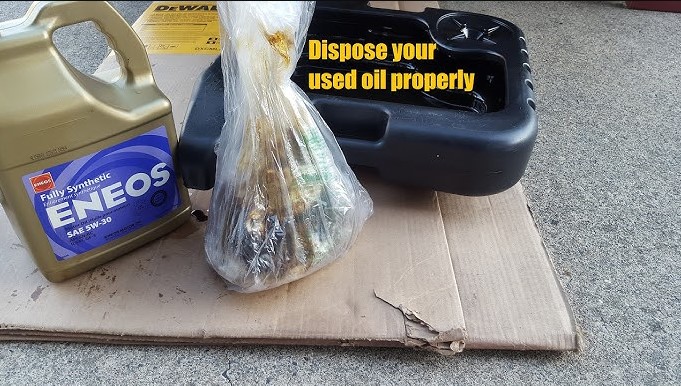
Used engine oil is more than just a waste product – it’s a hazardous material that demands proper handling. In 2026, environmental regulations are stricter than ever, making it essential to know where to dispose of used engine oil safely. Whether you’re a DIY mechanic or a fleet manager, choosing certified recyclers and avoiding improper dumping helps prevent soil and water contamination. This guide walks you through trusted options, legal requirements, and simple steps to keep our planet clean.
Proper disposal of used engine oil isn’t just a good habit – it’s a responsibility. In 2026, with rising awareness about climate change and pollution, knowing where to dispose of used engine oil has never been more important. Used motor oil may seem harmless once it’s drained from your car, but it contains heavy metals, hydrocarbons, and other toxins that can seep into soil and waterways if not handled correctly. The good news? Millions of gallons of used oil are recycled every year, turning what was once waste into valuable resources. And yes – you can play a part in that cycle.
Whether you’re changing your own oil at home or managing a large fleet of vehicles, the process is simpler than you might think. With the right tools and knowledge, disposing of used engine oil safely is both easy and rewarding. Let’s walk through everything you need to know in 2026, including local options, national programs, and smart storage tips to keep you compliant and eco-conscious.
Key Takeaways
- Never pour used oil down storm drains or onto the ground. It contaminates groundwater and harms wildlife.
- Auto repair shops and quick lubes often accept used oil for free. Many offer collection bins at no charge.
- Certified oil recycling centers process used oil into heating fuel or new lubricants. This keeps it out of landfills.
- Check local hazardous waste programs for household collection events. Some areas offer drop-offs for small quantities.
- Always store used oil in approved containers with tight lids. Label them clearly to avoid mix-ups.
- Recycling one gallon of used oil saves enough energy to power a car for 30 miles. Every drop counts!
- Improper disposal can lead to fines in many states. Stay compliant by using official channels.
Why Proper Disposal Matters in 2026?
In recent years, environmental standards have evolved rapidly. Governments and communities now recognize the long-term damage caused by improper oil disposal. When used engine oil leaks into storm drains or spills onto roads, it eventually reaches rivers and oceans. Marine life suffers as fish and birds mistake oil-coated surfaces for food or shelter. On land, contaminated soil can disrupt ecosystems and affect crops.
But there’s hope. Thanks to advanced recycling technologies, used motor oil can be refined into everything from biodiesel to asphalt additives. According to the U.S. Environmental Protection Agency (EPA), recycling one gallon of used oil prevents up to 1,800 gallons of gasoline from being spilled into the environment. That’s like saving an entire tank of gas per person who recycles their oil.
Moreover, many regions now enforce strict penalties for illegal dumping. In 2024, California introduced new fines for individuals caught improperly disposing of hazardous materials, including oil. As awareness grows, so do incentives some cities offer tax breaks or rebates for participating in recycling programs.
Where to Dispose of Used Engine Oil: Official Channels
The safest way to get rid of used engine oil is through certified facilities. These places follow federal and state guidelines to ensure your oil doesn’t end up polluting nature.
Auto Repair Shops and Quick Lubes
Many mechanics and oil-change centers accept used oil for free. Places like Jiffy Lube, Valvoline Instant Oil Change, and independent garages often have designated containers on-site. Just bring your sealed container and ask if they take it. In 2026, over 70% of major chains participate in national oil recycling initiatives, so chances are high.
Some even offer small rewards – like discounts on future services for returning used oil. Call ahead to confirm their policy, especially if you’re bringing in multiple gallons.
Oil Recycling Centers
Dedicated recycling facilities specialize in processing used motor oil. These centers use filtration and distillation methods to remove impurities and repurpose the oil. In 2026, organizations like Oil Recyclers Inc. and Clean Earth operate nationwide, offering drop-off services.
You can find one near you using the EPA’s Recycler Locator tool or state environmental agency websites. Most accept both individual and bulk quantities, though some may require appointments.
Household Hazardous Waste (HHW) Events
Many municipalities host seasonal HHW collection days. These events allow residents to safely discard items like old batteries, paint, and oil. In 2025, nearly 90% of U.S. counties participated in at least one event annually.
Sign up early these events fill up fast. Bring your oil in its original container or a clearly labeled, leak-proof jug. No need to separate filters; they’ll handle that too.
DIY Tips: Storing Used Oil Until You Can Recycle
Before dropping off your used engine oil, make sure it’s stored safely. Improper storage increases spill risks and attracts pests.
Use Approved Containers
Only use containers designed for liquids never plastic milk jugs or cracked bottles. The EPA recommends HDPE (high-density polyethylene) containers with screw-on caps. If your old oil came in a metal can, keep that if it’s clean and rust-free.
Label the container clearly: “USED ENGINE OIL – DO NOT DRINK.” This avoids confusion and ensures safety.
Avoid Mixing Fluids
Don’t combine oil with antifreeze, brake fluid, or gasoline. These mixtures are harder to recycle and may be classified as hazardous waste. Keep each fluid separate until disposal.
Store Indoors and Away from Heat
Place your container in a cool, dry area like a garage shelf away from direct sunlight or extreme temperatures. Heat can cause leaks or evaporation, while cold might thicken the oil and make transport difficult.
National and State Programs Making a Difference
Several large-scale programs simplify the process of finding where to dispose of used engine oil.
The American Petroleum Institute (API) Oil Recycling Program
Launched in the 1970s, this initiative connects consumers with thousands of collection sites nationwide. In 2026, it’s fully digital use their mobile app to scan your ZIP code and find nearby drop-offs instantly. Participating businesses include Advance Auto Parts and local tire stores.
State-Specific Initiatives
Some states go above and beyond. Texas, for example, mandates that all oil companies fund public recycling efforts. Oregon offers free collection bins at libraries and community centers. Check your state’s Department of Environmental Quality website for localized rules.
Corporate Take-Back Programs
Companies like Shell and Mobil run take-back schemes where you return empty oil containers for recycling. They sometimes refund a portion of your purchase price when you bring in proof of recycling. It’s a win-win: they reduce waste, and you save money.
Common Mistakes to Avoid
Even well-intentioned people slip up. Here’s how to steer clear of common pitfalls.
Dumping Oil Down Drains
This is illegal in most areas. Storm drains lead directly to rivers. Even one gallon can contaminate 1 million gallons of water.
Leaving Oil in Open Containers
Open jugs evaporate or leak. Always seal tightly and secure lids before moving.
Assuming All Shops Accept Oil
Not every mechanic wants used oil. Call ahead to avoid disappointment.
Ignoring Local Regulations
Rules vary by city and county. A program that works in Florida might not exist in Montana. Always verify.
How Used Oil Becomes New Products
Ever wonder what happens after you recycle your oil? It gets transformed.
Heating Fuel
Processed oil can replace coal in industrial boilers. One ton of refined oil provides heat equivalent to 2.5 tons of coal.
Biodiesel
Through chemical reactions, used oil becomes biodiesel a cleaner alternative to diesel fuel.
New Lubricants
High-quality oil can be re-refined into new motor oil, reducing demand for crude oil.
These processes cut greenhouse gas emissions and conserve natural resources. It’s circular economy in action.
What About Oil Filters?
Most recycling centers also accept used oil filters just remove any residual oil first. Some offer “filter crushing” services, which flatten and compact filters for efficient recycling. Never throw filters in regular trash; they’re made of steel and take centuries to decompose.
Conclusion: Small Actions, Big Impact
Knowing where to dispose of used engine oil isn’t complicated. With so many accessible options in 2026 from local shops to national programs there’s no excuse to let your oil harm the environment. By taking a few simple steps, you’re not only protecting wildlife and water sources but also contributing to a cleaner, more sustainable future.
Remember: every gallon recycled makes a difference. Whether you’re a weekend warrior or a professional mechanic, your actions add up. So next time you drain your car’s oil, think twice about where it goes. Then, find a trusted facility and give it a proper send-off. Together, we can turn waste into worth one quart at a time.
Frequently Asked Questions
Can I burn used engine oil at home?
No, burning used oil releases toxic fumes and is illegal in most areas. It contributes to air pollution and violates environmental laws. Always recycle instead.
Is it safe to store used oil for months?
Yes, as long as it’s in a sealed, labeled container away from heat. Over time, moisture and sludge may form, but the oil remains recyclable.
Do all auto parts stores accept used oil?
Not always. While big chains like O’Reilly Auto Parts do, smaller independents may not. Call ahead or check online directories like the EPA’s Recycler Locator.
What should I do if I accidentally spill used oil?
Contain the spill immediately using absorbent materials like kitty litter or rags. Scoop it up and place it back in your recycling container. Report large spills to local authorities.
Are there financial incentives for recycling oil?
In some regions, yes. Oregon and Texas offer rebates or tax credits. Corporate programs like Shell’s also provide refunds for returned containers.
Can I mix different types of used oil?
It’s best to keep oils separate synthetic, conventional, and gear oil each have different refining needs. Mixing them reduces recycling efficiency.