
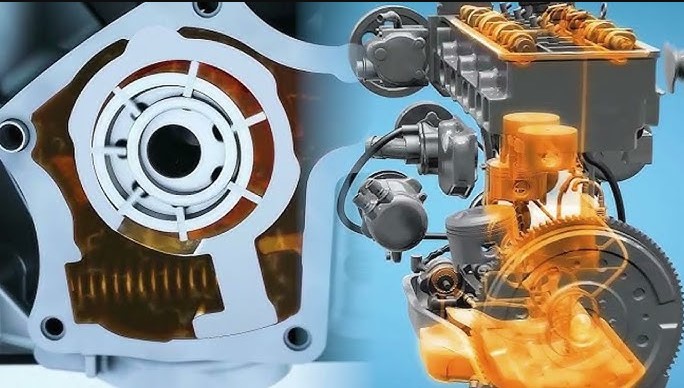
Oil pressure typically drops as engines heat up due to increased oil viscosity thinning and mechanical wear. This isn’t always dangerous, but sudden or severe drops can signal serious issues like low oil levels, a failing oil pump, or internal engine damage. Understanding how heat affects oil behavior helps you catch problems early and protect your vehicle’s performance.
Have you ever noticed your oil pressure warning light flicker after a long drive, or watched the gauge dip slightly once your car hits its cruising temperature? You’re not alone and yes, it’s usually related to heat. In fact, many drivers assume this is a sign of trouble, but the real story behind why oil pressure drops when the engine gets hot is both fascinating and surprisingly straightforward.
In 2026, with engines pushing higher performance limits and operating temperatures climbing thanks to turbocharging and downsizing, understanding oil behavior has never been more important. Whether you’re driving a high-mileage sedan, a hybrid SUV, or a performance coupe, knowing how heat impacts your engine’s lubrication system can save you from costly repairs or worse, a roadside breakdown.
This article dives deep into the mechanics, science, and practical fixes for oil pressure drops during hot conditions. We’ll explore everything from basic thermodynamics to advanced diagnostics, so you can stay informed and keep your ride running smoothly all summer long.
Key Takeaways
- Thinner Oil at High Temperatures: As engine temperature rises, oil loses viscosity, becoming less resistant to flow this reduces pressure even if the oil pump is working normally.
- Thermostatic Bypass Valves Activate: Many modern engines use bypass valves that allow thicker oil to circulate before heating up, but once hot, they may restrict flow, lowering pressure readings.
- Wear and Tolerance Changes: Hot engines increase clearance between moving parts (like crankshafts and bearings), letting more oil escape and reducing system pressure.
- Low Oil Levels or Degraded Oil: Insufficient oil volume or old, contaminated oil won’t maintain proper pressure when hot, especially under load.
- Faulty Sensors or Gauges: Sometimes the issue isn’t the engine – it’s a misreading from a bad oil pressure sensor or gauge.
- Engine Design Matters: Some vehicles are engineered with lower oil pressures at operating temps; check your owner’s manual to know what’s normal.
- Immediate Action Required: If pressure drops suddenly while driving hot, pull over safely and investigate prolonged operation with low pressure can cause catastrophic engine failure.
The Science Behind Oil Viscosity and Heat
At the heart of every internal combustion engine lies a delicate balance: friction must be minimized without sacrificing control. That’s where oil comes in not just as a lubricant, but as a hydraulic fluid that powers components like lifters and variable valve timing systems. But here’s the catch: oil doesn’t behave the same way across all temperatures.
When cold, engine oil is thick and syrupy think motor oil straight out of the bottle in winter. It resists flowing through narrow passages, which actually helps build pressure quickly when the engine starts. But as soon as the engine warms up usually within five to ten minutes of driving the oil begins to thin. This change in viscosity is called thermal thinning.
Why does this happen? Because most conventional oils contain long-chain hydrocarbons that unwind and slide past each other more easily when heated. The result? Less resistance in the oil galleries and bearing clearances. With less resistance, the same volume of oil flows faster, but overall system pressure drops because there’s less backpressure holding it in place.
This isn’t inherently bad modern engines rely on this principle. However, if the drop is too steep or happens suddenly, it could indicate an underlying problem. Think of it like turning down the water pressure in your garden hose water still moves, but not enough to reach the far corners of the lawn.
How Oil Pressure Is Measured
Your dashboard oil pressure gauge doesn’t measure absolute pressure – it reads relative to atmospheric pressure. On startup, cold engines often show high readings (40–70 psi) because the thick oil resists flow. Once warmed, healthy engines typically settle between 25–45 psi, depending on make, model, and design.
But here’s a key insight: manufacturers engineer tolerances so that even with thinner hot oil, adequate lubrication is maintained. So if your pressure stays above the minimum threshold listed in your manual (often around 10–15 psi at idle), you’re likely fine. The real danger zone is when pressure falls below that line—especially under load.
Common Causes of Oil Pressure Drop When Hot
While thermal thinning is natural, several factors can exaggerate the pressure drop or create abnormal behavior. Let’s walk through the most frequent culprits:
1. Low Oil Level or Contaminated Oil
Even small amounts of oil loss say, from a slow leak or neglected top-up can drastically affect pressure when hot. Why? Because the oil pump draws from the sump, and if there’s not enough volume, it can’t generate consistent pressure. Hot oil also expands slightly, increasing demand for volume.
Additionally, degraded oil (old, burned, or contaminated with coolant or metal particles) loses its ability to maintain viscosity. Synthetic oils generally perform better under heat, but even they have limits. If your oil is dark, gritty, or smells burnt, it’s time for a change.
2. Worn Engine Bearings and Clearances
As engines age, metal components expand due to heat and friction. Over time, this wears away tiny tolerances especially in main and rod bearings. Larger clearances mean more oil can slosh past instead of building pressure. This is especially noticeable at idle, where RPMs are low and pump output is minimal.
If you hear knocking noises when warm, combined with low oil pressure, internal wear is likely the cause. Modern engines use precision-machined bearings, but nothing lasts forever—even under ideal conditions.
3. Faulty Oil Pump or Restricted Passages
The oil pump is responsible for maintaining flow rate and pressure. If it weakens (common in high-mileage engines), it can’t compensate for thinner hot oil. Alternatively, sludge buildup from poor maintenance can clog galleries, starving critical components.
Sometimes the problem isn’t the pump itself but restrictions in the oil pickup tube or screen. A partially blocked screen reduces suction efficiency, leading to lower-than-normal pressure readings when hot.
4. Thermostatic Bypass Valve Issues
Many modern engines include an oil thermostatic bypass valve. Its job: regulate oil temperature by allowing thicker oil to circulate before reaching sensitive components. Once the oil reaches operating temp, the valve closes, directing only the hottest oil through the cooler.
But if this valve sticks open or fails, it can reduce overall system pressure. Conversely, if it jams shut, oil may overheat another indirect cause of pressure instability.
5. Sensor or Gauge Malfunction
It’s easy to blame the engine when the dashboard says something’s wrong. But faulty sensors or electrical gremlins can give false low-pressure readings. In rare cases, the actual pressure might be fine but your gauge thinks otherwise.
If you suspect this, compare your reading with another source: use a mechanical gauge (available at auto parts stores) for a true measurement. Or scan your OBD-II port for error codes.
Is a Slight Pressure Drop Normal?
Absolutely! In fact, some manufacturers intentionally design their engines to run at lower oil pressures once warm. For example, certain BMW N55 engines operate around 18–22 psi at idle when hot well above the 10-psi minimum, but noticeably lower than cold-start readings.
So how do you tell what’s normal for your vehicle? Consult your owner’s manual or manufacturer specifications. Most cars list both cold and warm operating ranges. If yours shows a gradual decline and stabilizes in the green zone, no action is needed.
However, watch for these red flags:
– Sudden, sharp drop in pressure (e.g., from 35 psi to 8 psi)
– Fluctuating needle or warning light activation
– Knocking, ticking, or rattling noises when warm
– Excessive smoke from the exhaust (could indicate oil burning)
These suggest mechanical issues requiring immediate attention.
Practical Tips to Prevent Unwanted Pressure Loss
Prevention is always better than cure. Here’s how to keep your oil pressure stable even on scorching summer days:
– Use the Right Oil: Stick to OEM-recommended viscosity (e.g., 5W-30). Synthetic blends offer better thermal stability than conventional oil.
– Change Oil Regularly: Follow your service interval usually every 5,000–7,500 miles (or as specified).
– Inspect for Leaks: Check under your car regularly. Even minor seepage adds up and lowers sump level.
– Clean the Sump Screen: Every 30,000–50,000 miles, consider removing and cleaning the pickup tube screen to prevent clogs.
– Monitor Temperature: Use an OBD-II scanner to track engine coolant and oil temps. Consistently high temps accelerate wear.
When to Seek Professional Help
If you’ve ruled out simple causes (low oil, dirty filter) and pressure still dips dangerously low when hot, it’s time for a mechanic. Internal engine work—like replacing bearings or rebuilding the block is rarely DIY-friendly and expensive if ignored.
Signs you need professional diagnosis:
– Persistent low-pressure warning
– Oil consumption exceeding 1 quart per 1,000 miles
– Blue or gray exhaust smoke
– Recent overheating event
Modern diagnostic tools can pinpoint issues faster than ever. Many shops now use live data streaming to monitor oil pressure in real time while simulating road loads.
Engine Protection in 2026 and Beyond
With electrification on the rise, even traditional ICE vehicles face new challenges. Hybrid powertrains, for instance, often run hotter due to constant electric motor assistance and regenerative braking cycles. This increases stress on lubrication systems.
That’s why forward-thinking owners invest in quality synthetic oils, install auxiliary oil coolers (for track or towing use), and use mobile apps to log oil pressure trends. Data-driven maintenance beats guesswork every time.
Frequently Asked Questions
Can I drive my car if oil pressure drops when hot?
It depends. If pressure remains above the minimum safe threshold (check your manual), you might drive cautiously to a repair shop. However, sudden or extreme drops risk engine seizure so err on the side of caution and pull over safely if warnings appear.
Does using synthetic oil prevent oil pressure drops?
Synthetic oil resists thinning better than conventional oil, helping maintain pressure at high temperatures. However, it won’t fix mechanical wear or low oil levels—it’s one piece of the puzzle, not a complete solution.
Why does oil pressure spike when cold?
Cold oil is thick and viscous, resisting flow through narrow passages. This creates backpressure, resulting in higher initial readings. Once warm, the oil thins, reducing resistance and pressure naturally.
My oil pressure is fine when cold but low when hot should I worry?
Not necessarily. Many engines are designed this way. Compare your reading to the manufacturer’s recommended range for operating temperature. Only worry if it drops below the minimum or fluctuates wildly.
Can a bad PCV valve cause low oil pressure when hot?
Indirectly, yes. A clogged Positive Crankcase Ventilation (PCV) valve increases crankcase pressure, which can draw oil into combustion chambers or disrupt sump levels contributing to low oil pressure over time.
How often should I check my oil pressure?
Check oil level monthly and change oil per your owner’s manual schedule. Use a mechanical gauge occasionally to verify electrical sensor accuracy. If you notice recurring low-pressure symptoms, have a professional inspect the system.