
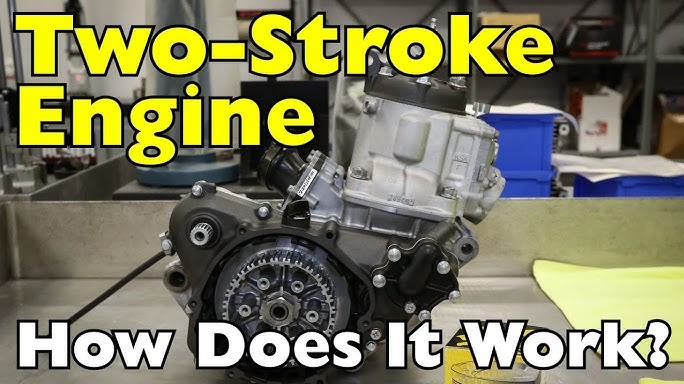
Two stroke engines require oil for essential lubrication, cooling, and combustion support. Unlike four stroke engines that have a dedicated oil system, two strokes mix oil with fuel ensuring every part stays protected. Without proper oil, metal parts grind together, overheat, and fail quickly. Whether you ride a dirt bike, chainsaw, or scooter, understanding oil’s role keeps your engine running strong.
Have you ever wondered why two stroke engines need oil? If you’ve ever ridden a dirt bike, used a chainsaw, or zipped around on a motorized scooter, chances are you’ve encountered one. These compact, lightweight engines power everything from lawnmowers to personal mobility devices. But unlike their four-stroke cousins, two stroke engines don’t have a separate oil system. Instead, oil gets mixed directly into the fuel. So, what makes this possible and why does it matter so much?
The short answer: oil is the lifeblood of a two stroke engine. It’s not just about keeping things slippery. The oil plays multiple roles lubricating, cooling, cleaning, and even aiding combustion. Without it, the engine would seize up almost instantly. Let’s dive into exactly why two stroke engines need oil, how it works, and what happens if you skip it.
Key Takeaways
- Lubrication is critical: Oil reduces friction between moving parts like pistons and cylinders, preventing metal-on-metal contact.
- Cooling effect: Oil absorbs heat from hot engine components, helping maintain optimal operating temperatures.
- Combustion support: In two stroke engines, oil burns with the fuel-air mixture, contributing to combustion efficiency.
- Prevents carbon buildup: Proper oil use minimizes soot and carbon deposits that can clog ports and reduce performance.
- Protects seals and gaskets: Oil keeps rubber components flexible and resistant to dry rot or cracking.
- Environmental considerations: Modern two stroke oils are designed to burn cleaner, reducing harmful emissions.
- Mix ratios matter: Using the correct oil-to-fuel ratio ensures longevity and peak engine performance.
📑 Table of Contents
The Basic Difference Between Two Stroke and Four Stroke Engines
To understand why two stroke engines need oil, you first need to know how they differ from four stroke engines. A four stroke engine has its own oil reservoir and a dedicated lubrication system. Oil gets pumped through channels to keep all the moving parts coated and cooled. This separation allows for longer intervals between oil changes and generally results in cleaner combustion.
In contrast, a two stroke engine completes a power cycle in just two piston movements one up, one down. That means intake, compression, power, and exhaust happen in two strokes instead of four. Because of this design, there’s no separate oil system. Instead, oil is pre-mixed with fuel before it enters the combustion chamber. As the fuel burns, the oil vaporizes and performs several key functions along the way.
How Lubrication Works in Two Stroke Engines
One of the most important reasons two stroke engines need oil is to prevent friction and wear. Inside the engine, pistons move rapidly against cylinder walls, rings slide back and forth, and connecting rods spin at high speeds. All these parts create intense friction. If left unprotected, metal would grind against metal, generating heat and eventually leading to catastrophic failure.
Oil acts as a thin film between these surfaces. Even though it burns during combustion, enough oil reaches critical components like the crankshaft bearings before it fully evaporates. Some modern two stroke oils are formulated specifically to cling to metal surfaces longer, providing better protection under extreme conditions.
For example, imagine using a scooter on steep hills or doing aggressive acceleration. The engine heats up fast, and without proper oil, internal parts could overheat and warp. That’s why riders who modify their scooters or use them in demanding environments often switch to high-performance synthetic two stroke oils.
Cooling Through Oil
Heat management is another reason two stroke engines need oil. Since there’s no radiator or external coolant loop, the only way to remove excess heat is through the combustion process itself and that’s where oil comes in. When oil burns, it absorbs energy and carries it away as exhaust gases.
But more importantly, oil helps transfer heat from hot spots like the piston crown and cylinder head. Even though much of it burns off, some oil condenses on cooler surfaces and then returns to the crankcase via the scavenging process. This continuous cycle helps regulate temperature and prevents thermal shock.
This is especially crucial for small engines like those found in lawn equipment or electric scooters with internal combustion upgrades. Without adequate cooling, engines can overheat quickly, leading to seized pistons or cracked cylinder walls.
Oil’s Role in Combustion
Here’s something many people don’t realize: oil doesn’t just sit around waiting to be burned. In fact, it actively participates in the combustion process. When the fuel-oil mixture ignites, the oil vaporizes and helps burn the fuel more completely. This improves power output and efficiency.
Additionally, certain additives in two stroke oil help stabilize the fuel mixture and prevent varnish or gum formation. Over time, incomplete combustion leaves behind carbon deposits that can block intake and exhaust ports. High-quality oil reduces this risk by promoting cleaner burns.
That said, burning oil also means emissions. That’s why manufacturers have developed low-ash, oxygenated oils designed to minimize smoke and particulate matter. In 2026, environmental regulations are stricter than ever, and modern two stroke oils meet these standards while still delivering top performance.
Protecting Seals and Gaskets
Even though oil mixes with fuel, not all of it ends up in the combustion chamber. A portion coats the engine’s internal seals and gaskets, keeping them soft and pliable. Rubber components exposed to constant heat and pressure tend to harden and crack over time—a process called dry rot.
Oil prevents this by maintaining flexibility. For instance, the reed valves in a two stroke engine rely on precise sealing to control airflow. If those reeds dry out or stick, the engine loses power or won’t start at all. Regular use of fresh, quality oil extends seal life significantly.
This becomes especially relevant when considering long-term ownership of a motorized scooter or similar vehicle. Proper maintenance including timely oil mixing can mean the difference between five years of reliable service and premature engine failure.
Choosing the Right Oil for Your Two Stroke Engine
Not all oils are created equal. Using the wrong type can damage your engine or void warranties. Most importantly, always follow the manufacturer’s recommendations for oil-to-fuel ratios. For example, a typical 50:1 mix means 50 parts gasoline to 1 part oil. Mixing too little oil leads to poor lubrication; too much causes excessive smoke and carbon buildup.
In 2026, synthetic two stroke oils are widely available and offer superior performance. They provide better thermal stability, resist thinning under heat, and leave fewer residues. Many riders now prefer them for racing, trail riding, or high-load applications.
If you’re wondering how far do electric scooter go on a single charge, it’s worth noting that while electric scooters don’t use two stroke engines, understanding engine mechanics like lubrication helps inform overall vehicle care. Similarly, knowing how fast do hoverboards go can influence how you maintain your riding gear whether powered by batteries or small engines.
Common Mistakes People Make With Two Stroke Oil
Many beginners make simple but costly errors. One common mistake is using regular motor oil instead of dedicated two stroke oil. Car oils contain detergents and additives that aren’t safe for small engines and can cause sludge buildup.
Another error is skipping oil changes altogether. Even though oil burns, it degrades over time. Old oil loses viscosity and protective qualities, leaving your engine vulnerable. Always use fresh, high-quality oil and store your fuel-oil mix for no more than 30 days to avoid breakdown.
Also, never run an empty engine for long periods without refueling. Doing so allows residual fuel to evaporate, leaving concentrated oil behind that can gum up the carburetor or spark plug.
Why Skipping Oil Is a Bad Idea?

Visual guide about Why Do Two Stroke Engines Need Oil
Image source: i.ebayimg.com
Running a two stroke engine without oil is like running a car without transmission fluid – it just won’t last. Within minutes of operation, metal parts begin grinding against each other. Heat spikes rapidly, bearings fail, and the engine seizes. Replacement costs can be hundreds of dollars, not to mention downtime.
Moreover, neglecting oil leads to irreversible damage. Scuffed cylinder walls, warped pistons, and damaged crankshafts rarely heal themselves. Once those parts wear beyond tolerance, rebuilding or replacing the engine becomes necessary.
So whether you’re maintaining a chainsaw for yard work or upgrading your electric scooter with a retrofitted motor, remember: oil isn’t optional. It’s essential.
Final Thoughts: Keep Your Engine Happy
Two stroke engines are efficient, powerful, and fun but they demand attention. Their reliance on oil mixing means every detail counts. From choosing the right blend to storing fuel properly, responsible ownership starts with understanding why two stroke engines need oil.
By treating oil as more than just a “burnable” ingredient, you extend engine life, improve performance, and reduce environmental impact. And in 2026, with growing interest in lightweight, high-output personal vehicles from scooters to micro-mobility solutions – this knowledge is more valuable than ever.
Whether you’re a weekend rider or a DIY mechanic, keep oil in mind. It’s the secret to smoother rides, quieter operation, and engines that last.
Frequently Asked Questions
Can I use regular motor oil in a two stroke engine?
No, regular motor oil contains detergents and additives unsafe for two stroke engines. It can cause excessive carbon buildup and damage internal components. Always use oil specifically formulated for two stroke engines.
How often should I change the oil in my two stroke engine?
Since oil burns during combustion, you don’t “change” it like in a four stroke engine. However, always use fresh, high-quality oil and mix it with new fuel every time you fill up. Avoid storing fuel-oil mixtures longer than 30 days.
What happens if I don’t add oil to a two stroke engine?
The engine will quickly suffer from metal-on-metal friction, overheating, and component failure. Within minutes of operation without oil, the engine can seize permanently, requiring expensive repairs or replacement.
Do all two stroke engines mix oil with fuel?
Yes, virtually all conventional two stroke engines rely on oil being premixed with fuel for lubrication. Some newer models use automatic oil injection systems that meter oil separately, but even those still depend on liquid lubrication.
Is synthetic oil better for two stroke engines?
Yes, synthetic two stroke oils offer superior heat resistance, longer-lasting lubrication, and cleaner combustion. They’re ideal for high-performance or heavily used engines, especially in 2026’s stricter emission environments.
Can using too much oil hurt my two stroke engine?
Yes. Excess oil leads to thick smoke, carbon buildup, clogged ports, and reduced performance. Always follow the manufacturer’s recommended oil-to-fuel ratio to avoid these issues.