
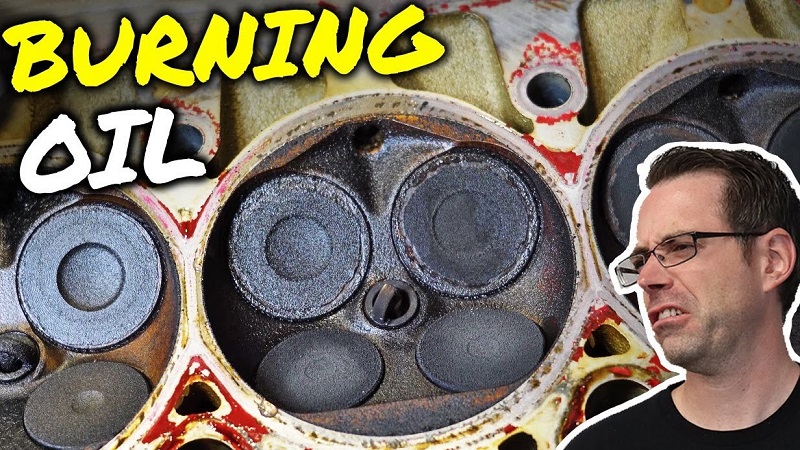
Is your engine burning oil? You’re not alone many drivers face this issue in 2026, especially with modern high-performance engines. Oil consumption isn’t always a sign of serious damage, but ignoring it can lead to bigger problems like low oil pressure or engine wear. The good news? Most causes are fixable with routine maintenance and a few smart checks.
Why Does My Engine Burn Oil? A 2026 Guide to Diagnosing & Fixing the Problem
If you’ve noticed blue smoke coming from your tailpipe, or your oil level keeps dropping faster than usual, you might be wondering: why does my engine burn oil? In 2026, this question is more relevant than ever.
With advancements in engine technology especially turbocharged and direct-injection engines oil consumption has become a common issue across many vehicle models. But don’t panic. While burning oil can signal a problem, it’s often manageable with the right diagnosis and care.
Let’s break down what’s happening inside your engine, why it matters, and what you can do about it. Whether you drive a compact sedan, a performance SUV, or a hybrid model, understanding oil burning helps you stay ahead of costly repairs.
Understanding How Engines Use Oil
Before diving into causes, it’s helpful to know how oil normally functions in an engine. Engine oil serves several critical roles: reducing friction between moving parts, cooling components, sealing combustion chambers, and cleaning internal surfaces. It circulates through the engine via the oil pump, driven by the crankshaft.
Normally, a tiny amount of oil is burned during combustion this is normal and expected. However, when the amount exceeds what’s considered acceptable (usually more than 1 quart per 1,000 miles), it’s time to investigate.
In 2026, most manufacturers consider oil consumption under 1 quart per 1,500 miles to be within tolerance. Beyond that, you may need to address the root cause.
Common Causes of Oil Burning in Modern Engines
Several factors contribute to increased oil burning, especially in newer vehicles. Let’s explore the most frequent culprits.
1. Worn Piston Rings
Piston rings seal the gap between the piston and cylinder wall, preventing combustion gases from escaping and oil from entering the combustion chamber. Over time, these rings can wear out especially if the engine has high mileage or has experienced overheating. When they lose their tight seal, oil from the crankcase can migrate up into the combustion chamber and burn during ignition.
This is one of the most common reasons for oil burning, particularly in older engines or those pushed hard on the track. Symptoms include blue or gray smoke under acceleration, reduced fuel economy, and a loss of engine power.
2. Faulty Valve Stem Seals
Valve stem seals are small rubber or Teflon components that prevent oil from leaking into the valve guides. As these seals age, dry up, or crack, they allow oil to drip into the combustion chamber. This often happens after short drives when oil hasn’t fully warmed up and circulated, leaving excess oil near the valves.
You’ll typically see light blue smoke at startup or after idling for a while especially in cold weather. Over time, this leads to carbon buildup on the valves and reduced compression.
3. Failed PCV System Components
The Positive Crankcase Ventilation (PCV) system manages blow-by gases and recycles oil vapor back into the intake manifold. If the PCV valve becomes clogged or sticks closed, pressure builds in the crankcase. This excess pressure forces oil past seals and gaskets often into the intake or even the oil filler cap area.
A malfunctioning PCV system can also lead to sludge buildup, further blocking oil passages. Replacing the PCV valve and cleaning related hoses is a simple fix that can dramatically reduce oil consumption.
4. Turbocharger Oil Leaks
Many 2026 vehicles come equipped with turbochargers to boost performance and efficiency. These components rely on oil for lubrication and cooling. The turbo uses special seals to keep oil contained within the housing. Over time, these seals degrade due to heat and pressure, allowing oil to escape.
When turbo oil leaks into the exhaust side, it burns off as blue smoke. This is especially noticeable during hard acceleration. Turbo-related oil burning is more common in high-mileage turbos or engines that haven’t had regular oil changes.
5. Direct Injection Engine Design
Direct injection (DI) systems spray fuel directly into the combustion chamber rather than the intake manifold. This improves fuel efficiency and reduces emissions but changes how oil interacts with engine components. In DI engines, there’s less oil intake during cold starts, which can accelerate ring and seal wear. Additionally, the lack of oil on intake valves leads to carbon buildup, further contributing to oil burning over time.
This design quirk means DI engines may consume more oil than older port-injected models—even when perfectly maintained.
6. Incorrect Oil Viscosity or Overfilling
Using the wrong oil grade (e.g., too thin or too thick) can disrupt the engine’s ability to maintain a proper oil film. In 2026, many manufacturers recommend synthetic oils with specific viscosity ratings (like 0W-20 or 5W-30). Deviating from these specs can increase oil consumption.
Overfilling is another common mistake. Too much oil creates excess pressure, causing it to foam and leak past seals. Always check your owner’s manual and use a dipstick to confirm the correct level.
How to Diagnose Oil Burning Issues?
Identifying the exact cause of oil burning requires observation and basic testing. Start by monitoring your oil level every 1,000 miles. Keep a log to track how quickly it drops. Also, note when you see smoke blue smoke usually indicates oil burning, while white or gray smoke may point to coolant issues.
Use a UV dye kit to trace oil leaks if you suspect external seepage. For internal issues, a compression test or leak-down test can reveal worn rings or valves. Many mechanics now offer online diagnostic tools that analyze engine performance data great for catching problems early.
Prevention Tips for 2026 Drivers
Preventing oil burning starts with proactive maintenance:
– Use the right oil: Stick to manufacturer-recommended viscosity and synthetic blends.
– Change oil regularly: Follow the interval specified in your manual typically every 7,500 to 10,000 miles in 2026.
– Avoid short trips: Allow your engine to warm up fully so oil circulates properly.
– Replace PCV valve: Every 30,000–50,000 miles, depending on driving conditions.
– Monitor oil level: Top off only when needed, and never overfill.
For turbocharged vehicles, ensure you’re using oil that meets turbo-specific standards (look for “Turbo” or “TC” in the API rating).
When to Seek Professional Help
While some oil burning is normal, persistent smoke, knocking sounds, or a drop in oil pressure warrants professional attention. Ignoring severe oil consumption can lead to engine damage, catalytic converter failure, or even complete engine seizure.
If your car is still under warranty (many 2026 models have 8-year/100,000-mile coverage), contact your dealer before attempting repairs. Some manufacturers offer free oil consumption tests or extended coverage for known issues.
Conclusion: Stay Ahead of Oil Consumption
Engine oil burning isn’t just an inconvenience – it’s a signal from your engine that something needs attention. In 2026, with evolving engine designs and stricter emissions standards, understanding why your engine burns oil is more important than ever. From worn piston rings to faulty PCV valves, most causes are repairable with timely maintenance.
By staying informed, using the right fluids, and addressing issues early, you can extend your engine’s life and avoid costly breakdowns. Remember: a little knowledge goes a long way when it comes to keeping your ride running smoothly.
Key Takeaways
- Worn piston rings allow oil to seep into the combustion chamber, where it burns off during ignition common in older engines or those with high mileage.
- PVC (Positive Crankcase Ventilation) valve failure creates excessive pressure, forcing oil past seals and gaskets into areas it shouldn’t be.
- Worn valve stem seals let oil leak into the intake or exhaust ports, especially after short trips when oil doesn’t fully circulate.
- PCV system blockages prevent proper oil vapor return, increasing pressure and leading to oil leakage.
- Turbocharger oil leaks are common in turbocharged engines due to high heat and pressure around the turbo seals.
- Overfilling or using wrong oil viscosity can cause foaming and poor lubrication, accelerating internal wear.
- Modern direct injection engines are more prone to oil burning due to design changes that reduce oil intake for cleaner combustion.
Frequently Asked Questions
Is it normal for my engine to burn a little oil?
Yes, a small amount of oil burning is normal most engines consume up to 1 quart per 1,000 miles. However, exceeding this threshold usually indicates a problem that needs attention.
Can I fix oil burning without replacing parts?
In some cases, yes. Cleaning the PCV system, using a high-quality oil additive, or switching to a thicker oil can help. But persistent burning often requires mechanical repairs like replacing seals or rings.
Does oil burning affect my fuel economy?
Absolutely. Burning oil wastes fuel and reduces engine efficiency. It can also trigger warning lights and lower overall performance.
How can I tell if my engine is burning oil or leaking it?
Blue smoke from the exhaust means burning oil. Oil puddles under the car or visible leaks around gaskets indicate external seepage—not combustion.
Are newer engines more prone to oil burning?
Yes, especially direct-injection and turbocharged engines. Their design increases oil consumption compared to older models, but it’s manageable with proper care.
What happens if I ignore oil burning?
Ignoring it can lead to low oil pressure, engine damage, failed emissions tests, and expensive repairs down the road. Regular checks are key.