
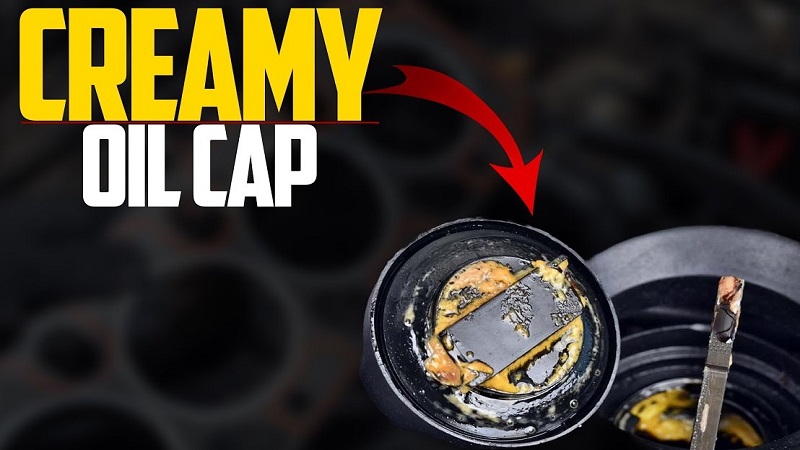
Milky engine oil isn’t normal – it usually means coolant has mixed with your oil. This can damage your engine if not fixed quickly. The most common cause? A blown head gasket or cracked engine block.
If you’ve opened your car’s hood recently and noticed that the engine oil looks more like cottage cheese than clear amber liquid, you’re not alone and you’re not ignoring something minor. In fact, milky engine oil is one of the most serious red flags in automotive diagnostics. It’s not just unsightly; it signals a potentially expensive mechanical problem brewing beneath your engine cover.
In 2026, modern engines are more efficient than ever, but they’re also more complex. With tighter tolerances and higher operating temperatures, even small leaks or seal failures can lead to big consequences. One of the most common yet often misunderstood issues is when your engine oil turns milky white or foamy. This condition, known as oil emulsification, means coolant has mixed with your motor oil. And while it might seem harmless at first glance, it’s anything but.
Let’s break down exactly what’s happening when your engine oil goes milky, why it matters, and how to stop it before your engine suffers irreversible damage.
Key Takeaways
- Milky oil indicates water contamination: When coolant mixes with engine oil, it forms an emulsion that appears milky or cloudy. This typically happens when the head gasket fails or there’s internal engine damage.
- Engine overheating increases risk: Prolonged overheating weakens seals and gaskets, allowing coolant to seep into oil passages. Always check your temperature gauge and address overheating immediately.
- Diagnosis requires inspection: A mechanic can perform a compression test or chemical block test to confirm if coolant is present in the oil. DIY tests like the “baking soda method” can offer clues but aren’t definitive.
- Ignoring milky oil leads to failure: Contaminated oil loses its lubricating properties, increasing friction and wear on critical components like pistons and crankshafts. Replacing oil won’t fix the root problem.
- Repair depends on severity: Minor cases may only need a new head gasket, while severe internal cracks could require engine rebuilding or replacement—costing thousands of dollars.
- Prevention is key: Regular maintenance, using quality oil (like Mobil 1 synthetic oil), and avoiding overheating significantly reduce the chance of this issue.
- Synthetic oil helps resist emulsification: High-quality synthetics like Mobil 1 maintain stability even under heat stress, offering better protection against coolant mixing than conventional oils.
📑 Table of Contents
What Does Milky Engine Oil Look Like?
Before diving into causes, let’s clarify what we mean by “milky” engine oil. It’s not always perfectly white – it can appear cloudy, creamy, or even slightly grayish. You’ll usually notice it after checking the dipstick or draining old oil during an oil change.
The texture is thick and soupy, almost like melted ice cream. Sometimes, it’s accompanied by a sweet smell (coolant has a distinct odor) or foam at the top of the crankcase.
This visual change is a sign that water-based fluids usually from your cooling system have entered the oil. Unlike clean, amber-colored oil that flows smoothly, milky oil doesn’t lubricate properly. Its viscosity changes, and it loses effectiveness fast.
Why Doesn’t Normal Oil Turn Milky?
Engine oil is designed to stay stable under extreme conditions. It’s made from refined base stocks and fortified with additives that prevent oxidation, corrosion, and sludge buildup. But unlike water, which naturally separates from oil over time due to density differences, water and oil don’t mix well. That’s why fresh oil stays clear.
However, when external forces push coolant into the oil passage like a failed head gasket – the two liquids collide. Without proper separation, they form tiny droplets that suspend in each other, creating the milky appearance. This mixture is called an emulsion, and it compromises the oil’s ability to protect your engine.
Common Causes of Milky Engine Oil
Understanding why your engine oil is milky starts with identifying the root cause. There are several possible culprits, but most fall into two categories: internal engine damage or external leaks.
Blown Head Gasket
The most frequent reason for milky oil is a blown or compromised head gasket. This small, doughnut-shaped seal sits between the engine block and cylinder head. Its job is to contain combustion gases, keep oil separate from coolant, and maintain pressure across both systems.
When the head gasket fails often due to overheating – it creates pathways where coolant can leak into the oil galleries. Over time, enough coolant enters the oil pan to create that telltale milky look. If ignored, this can lead to catastrophic engine failure.
For example, imagine driving through a hot summer day with the AC running full blast. Your radiator fan kicks in, but the coolant level dips too low. The engine overheats, warping the cylinder head. Now, the head gasket can’t seal properly, letting coolant seep into the oil.
Cracked Cylinder Head or Engine Block
Sometimes, the damage isn’t just to the gasket – it’s deeper. Cracks in the cylinder head or engine block can allow coolant to migrate into oil passages. These cracks often result from repeated overheating or manufacturing defects.
In older vehicles or those with high mileage, metal fatigue increases the risk. Even minor cracks can grow under thermal stress, especially if the engine runs hotter than recommended.
Coolant Leaks into Oil Reservoir
External leaks are less common but still possible. For instance, a damaged oil cooler (used in some diesel or performance engines) can allow coolant and oil to mix directly inside the reservoir.
Similarly, a faulty intake manifold gasket might leak coolant into the PCV (positive crankcase ventilation) system, eventually dripping back into the oil. These leaks usually happen gradually, so you might not notice them until after several oil changes.
Overfilling Coolant or Using Wrong Mix Ratio
Believe it or not, adding too much coolant or using an incorrect water-to-antifreeze ratio can contribute to emulsification. Excess coolant expands when heated and may find its way into unintended areas, including oil passages. Always follow your owner’s manual for proper fill levels and mix ratios.
How to Diagnose Milky Engine Oil
You’ve spotted the milky oil – now what? Trying to guess whether it’s serious wastes time and money. Here’s how professionals diagnose the issue:
Visual Inspection and Smell Test
First, check the oil cap and dipstick. If there’s a milky residue around the cap, it’s likely internal. Also, sniff the oil coolant smells sweet, while burnt oil smells acrid.
Compression and Leak-Down Tests
A mechanic will perform a compression test to measure how much pressure each cylinder holds. Low compression in multiple cylinders often points to head gasket failure. A leak-down test then identifies exactly where air escapes – into the coolant system, indicating a breach.
Chemical Block Test (aka Coolant Boil Test)
This simple yet effective test involves adding sodium bicarbonate (baking soda) to the radiator. If bubbles appear in the oil filler cap, it confirms coolant is mixing with oil. While not 100% foolproof, it’s a strong indicator.
Oil Analysis
Many shops now offer lab-based oil analysis. By sending a sample to a lab, technicians can detect trace amounts of coolant, metal particles, and other contaminants. This method is especially useful for early detection.
Can You Fix Milky Engine Oil Yourself?
Short answer: probably not and here’s why. Replacing milky oil with fresh oil doesn’t solve the underlying problem. If coolant keeps getting into your oil, you’ll just see the same milky film again in weeks.
That said, there are temporary measures you can take while planning repairs:
Drain and Flush the System
Start by draining all the contaminated oil and flushing the engine with a solvent cleaner. This removes residual coolant and prevents cross-contamination. Then refill with high-quality synthetic oil – like Mobil 1 Full Synthetic—which resists emulsification better than conventional oils.
Check Coolant Levels Regularly
After flushing, monitor your coolant level closely. If it drops unexpectedly, there’s still a leak somewhere. Address it promptly.
Avoid Driving Until Repaired
Running the engine with contaminated oil accelerates wear. Without proper lubrication, bearings, camshafts, and pistons suffer damage within hours. For major issues like blown head gaskets or cracked blocks, professional repair is essential. Labor costs vary, but expect $800–$2,500 depending on the vehicle and extent of damage.
Preventing Milky Engine Oil
Prevention beats cure every time. Follow these best practices to keep your engine oil clear and healthy:
Stick to Maintenance Schedules
Replace oil and filters every 5,000–7,500 miles (or as recommended). Use synthetic blends or full synthetics like Mobil 1 High Mileage for added protection.
Monitor Cooling System Health
Flush your radiator and replace coolant every 3 years or per manufacturer guidelines. Keep an eye on leaks, hoses, and radiator caps.
Avoid Overheating
Never ignore warning lights or rising temperature gauges. Park in shade during heatwaves, avoid heavy loads on hot days, and ensure your thermostat works correctly.
Use Quality Fluids
Invest in reputable brands. Thicker oils may seem like a good idea, but they’re not always better stick to manufacturer specs. Synthetic oils offer superior thermal stability.
When to Seek Professional Help
If you suspect milky oil, don’t delay. Signs you need a mechanic include:
- Persistent milky residue after oil changes
- White smoke from the exhaust (indicates burning coolant)
- Overheating despite normal coolant levels
- Rough idling or misfires
Early diagnosis saves money and extends engine life. Many shops offer free inspections take advantage!
Conclusion
Seeing milky engine oil is alarming, but understanding what it means empowers you to act fast. Whether it’s a failing head gasket, cracked block, or simple overheating, the cause determines the solution. Ignoring it risks costly repairs or total engine replacement.
Remember, fresh oil won’t fix the problem only proper diagnosis and repair will. And prevention remains your best defense. With regular maintenance and smart choices like high-quality synthetic oil, you can avoid this issue entirely. Your engine deserves reliable protection. Stay vigilant, stay informed, and keep that oil clean.
Frequently Asked Questions
Is milky engine oil dangerous?
Yes, milky engine oil is dangerous because it indicates coolant mixing with oil, which reduces lubrication and can cause rapid engine wear or failure if not addressed.
How long does it take for coolant to mix with engine oil?
This depends on the cause, but it can happen within days or weeks of a head gasket failure or internal crack, especially if the engine runs hot.
Can I drive my car with milky oil?
No, driving with milky oil risks severe engine damage. Replace the oil and have the source of leakage diagnosed immediately.
Does synthetic oil prevent milky oil?
Synthetic oils like Mobil 1 resist emulsification better than conventional oils due to their superior thermal stability and additive packages.
Will a new oil filter help if my oil is milky?
No, a new filter won’t remove already mixed coolant. You must flush the system and fix the underlying leak or seal failure.
Can I use additives to fix milky oil?
Additives can’t reverse emulsification. They may temporarily mask the issue, but the root cause like a blown head gasket must be repaired.