
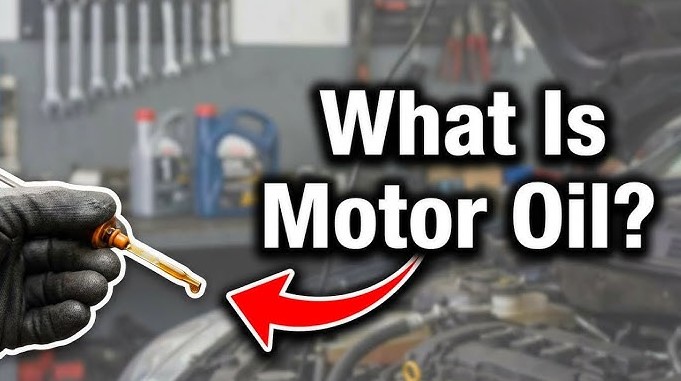
Motor oil acts as the lifeblood of any engine, keeping it running smoothly and efficiently. Every vehicle relies on this essential fluid to reduce friction between moving parts, prevent overheating, and protect against wear and tear.
Engines generate intense heat and face constant mechanical stress, and motor oil forms a protective layer that ensures components slide past each other without damage. Beyond lubrication, motor oil cleans the engine by carrying away dirt, debris, and microscopic metal particles, keeping internal surfaces free from buildup.
Different types of motor oils exist, including synthetic, semi-synthetic, and conventional blends, each designed to meet specific performance needs. Understanding viscosity, additive packages, and manufacturer recommendations helps maintain optimal engine health.
Regular oil checks and timely changes extend engine life, improve fuel efficiency, and reduce repair costs. Knowing what motor oil does empowers vehicle owners to make smarter maintenance decisions and safeguard performance.
What Is Motor Oil?
Motor oil is a special liquid that keeps a car engine running smoothly. Engines have many metal parts that move very fast. Without oil, these parts rub together, heat up, and wear out.
Motor oil prevents friction, reduces heat, and keeps engines clean. Cars, trucks, motorcycles, and even small machines like lawnmowers use motor oil. It is one of the most important things for engine health.
How Motor Oil Works?
Motor oil does more than just make the engine parts move smoothly. Its functions include:
1. Lubrication
Engines have pistons, bearings, and crankshafts moving at thousands of rotations per minute. Motor oil creates a thin protective layer between these moving parts. This layer stops metal from grinding against metal, which reduces wear and tear.
2. Cooling the Engine
Engines generate heat. Gasoline engines can reach 400–500°F (204–260°C) during normal operation. Oil absorbs some of this heat and spreads it through the engine. This prevents overheating and keeps engine temperature stable.
3. Cleaning Engine Parts
Motor oil collects dirt, soot, metal particles, and carbon deposits produced during combustion. Oil flows to the filter, where these impurities are trapped. Clean engines perform better, last longer, and produce less pollution.
4. Preventing Corrosion and Rust
Combustion produces water vapor and acids. Motor oil forms a thin protective layer on metal surfaces to stop rust and corrosion. Engines exposed to high humidity or short trips benefit greatly from this protection.
5. Sealing Engine Gaps
Oil helps seal small gaps between pistons and cylinders. This prevents engine power loss and keeps compression steady, which improves performance and fuel efficiency.
Components of Motor Oil
Motor oil is not just a liquid. It contains several parts that give it special properties.
1. Base Oil
Base oil makes up 70–90% of motor oil. There are three main types:
-
Mineral Oil: Made from refined crude oil. It works well at normal temperatures but may break down in extreme heat.
-
Synthetic Oil: Made in laboratories. Flows easily in cold weather, resists high heat, and lasts longer.
-
Synthetic Blend: A mix of synthetic and mineral oils. It offers better protection than mineral oil but is cheaper than full synthetic.
2. Additives
Additives improve performance and extend engine life. Common additives include:
-
Detergents: Remove sludge and neutralize acids
-
Anti-wear agents: Protect moving parts under heavy load
-
Viscosity index improvers: Keep oil thickness stable at high temperatures
-
Rust inhibitors: Protect metal from corrosion
-
Foam suppressors: Reduce bubbles and maintain smooth lubrication
Motor Oil Viscosity and Grades
Viscosity measures how thick or thin the oil is. It affects how well oil flows in hot and cold temperatures.
-
Cold Temperature Number (W): Shows how oil flows in winter. For example, 5W oil flows better than 10W in cold weather.
-
High-Temperature Number: Shows thickness at normal engine temperature. For example, 30 in 5W-30. Higher numbers mean thicker oil at heat.
Typical oil grades: 5W-20, 5W-30, 10W-40. Cars in very cold regions need lower W numbers for easy starting. Hot regions may need higher numbers to avoid engine wear.
Types of Motor Oil
Motor oil comes in different types for different engines and driving conditions.
1. Conventional Oil
Made from refined crude oil. Best for older cars with simple engines. Cheaper but breaks down faster in high heat.
2. Synthetic Oil
Made in labs for modern engines. Flows better in cold, resists heat, and protects engines longer. Can last up to 10,000–15,000 miles in some cars.
3. Synthetic Blend
Combines conventional and synthetic oil. Offers better protection than conventional oil at a lower cost than full synthetic.
4. High-Mileage Oil
Designed for engines with more than 75,000 miles. Contains extra additives to prevent leaks, reduce oil burn-off, and protect older parts.
How Often to Change Motor Oil?
Oil degrades over time. Dirt, heat, and combustion byproducts reduce its effectiveness.
-
Conventional Oil: Change every 3,000–5,000 miles
-
Synthetic Oil: Change every 7,000–10,000 miles
-
High-Mileage Oil: Change every 5,000–7,000 miles
Signs oil needs changing:
-
Dark or black color on the dipstick
-
Engine noise or ticking
-
Oil warning light on the dashboard
-
Burnt smell from the engine
Regular oil changes can save money by preventing engine damage. According to studies, engines with proper oil changes can last over 200,000 miles.
Extra Details: Engine Temperature and Oil Performance
Motor oil works best within specific temperatures:
-
Cold start: Oil must flow quickly to protect the engine. Synthetic oil can flow faster than conventional oil at low temperatures.
-
High heat: Oil must stay thick enough to prevent metal contact. Synthetic oil resists thinning at high temperatures better than conventional oil.
Extreme conditions like towing heavy loads, racing, or long highway trips put more stress on oil. Choosing the right oil helps engines handle these conditions safely.
Environmental Considerations
Used motor oil is a major environmental hazard. One gallon of oil can contaminate 1 million gallons of water. Proper disposal and recycling are essential. Many service centers and recycling centers accept used oil.
Final Thoughts
Motor oil is the lifeblood of an engine. It protects, cleans, cools, and seals engine parts. Understanding oil types, grades, and maintenance schedules keeps engines safe and efficient. Using the correct oil and changing it on time improves fuel efficiency, reduces wear, and extends engine life.
FAQs About Motor Oil
Q1: Can I switch oil types in my car?
Yes, but follow the manufacturer’s guidelines. Mixing oil types occasionally is safe, but consistent use of the recommended type is best.
Q2: How much oil does an average car need?
Most cars need 4–6 quarts (3.8–5.7 liters). Check the car manual for exact capacity.
Q3: Is synthetic oil better than conventional?
Synthetic oil performs better in extreme temperatures and lasts longer. Conventional oil works fine for older cars or normal driving.
Q4: What is the difference between 5W-30 and 10W-40 oil?
5W-30 flows better in cold weather and is thinner at operating temperature. 10W-40 is thicker and may protect older engines in hot conditions.
Q5: Can running low on motor oil damage my engine?
Yes. Low oil reduces lubrication and cooling. This increases friction, heat, and wear, potentially causing major engine damage.