
Why is my engine oil cap so tight? A securely sealed oil cap prevents contaminants from entering the engine, ensuring optimal performance and longevity. Over time, buildup or design changes can make caps harder to remove, but this isn’t always a cause for alarm.
Have you ever wrestled with your car’s oil cap only to find it stubbornly stuck? You’re not alone many drivers in 2026 report that their engine oil cap feels impossibly tight compared to older models. While it might seem like a minor annoyance, understanding why your engine oil cap is so tight can save you time, frustration, and potentially costly repairs down the road. This article dives deep into the reasons behind this common issue, offering practical solutions and expert insights tailored for today’s modern engines.
Let’s start by demystifying what an engine oil cap actually does. At first glance, it looks like a simple plastic or metal lid, but its role is far more critical than meets the eye. The oil cap sits atop the valve cover (or oil filler neck), sealing the top of the crankcase to maintain internal pressure and prevent dirt, moisture, and other contaminants from entering the engine oil reservoir. When functioning correctly, it should be easy to twist off when changing oil but if yours feels like it’s bolted on, something’s up.
In recent years, automakers have made significant strides in engine design, focusing on fuel efficiency, emissions reduction, and durability. These improvements often come with tighter tolerances and enhanced sealing mechanisms. As a result, many newer vehicles feature oil caps that are engineered to stay sealed under extreme conditions including high RPMs, temperature fluctuations, and exposure to road debris. So while a tight oil cap might seem like a flaw, it could actually reflect advancements in engineering meant to protect your engine.
One of the most common culprits behind a stubborn oil cap is dirt and debris accumulation. Even small particles like dust, sand, or old gasket residue can build up around the threads and base of the cap. Over time, these contaminants act like glue, creating friction that makes removal difficult. This is particularly true in urban environments where roads are frequently covered in grit or salt during winter months.
Another factor to consider is thermal expansion. Modern engines run hotter than ever before due to turbocharging, direct injection, and increased compression ratios. When the engine heats up, metal components expand. Once cooled, they contract slightly. If the oil cap wasn’t installed perfectly straight or if there’s minor warping in the valve cover surface, this contraction can cause the cap to “stick” instead of spinning freely. This effect is subtle but powerful enough to make even routine oil changes feel like a workout.
The gasket underneath the oil cap also plays a crucial role. Most caps use a small rubber or silicone O-ring or flat gasket to create a watertight seal. However, over time especially with repeated heating and cooling cycles this material can degrade. It may become brittle, crack, or lose elasticity, which increases surface contact and resistance when twisting the cap. In some cases, hardened gasket remnants left behind from previous oil changes can further complicate things.
Interestingly, some manufacturers intentionally design oil caps with tighter fits as part of their quality control process. During assembly, technicians apply controlled torque to ensure a secure seal without over-tightening. While this doesn’t mean the cap will remain permanently stuck, it does explain why new cars sometimes require extra effort to open. Additionally, certain performance-oriented vehicles use specialized caps made from materials like aluminum or reinforced composites that offer better heat resistance but may also be stiffer to handle.
If you’re dealing with a tight oil cap, start by inspecting the area thoroughly. Use a flashlight to check for visible dirt, rust, or old gasket material around the threads and underside of the cap. A soft brush (like a toothbrush) and mild degreaser can go a long way in clearing away buildup. Avoid using harsh chemicals near sensitive engine parts unless absolutely necessary.
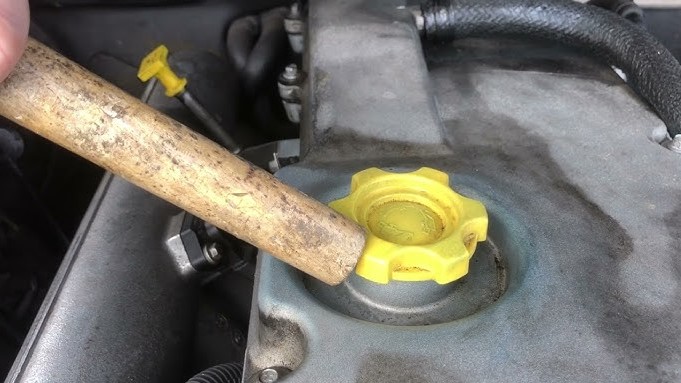
For persistent sticking, try warming the cap slightly before attempting removal. Many mechanics recommend letting the engine sit idle for five to ten minutes after driving—this allows residual heat to dissipate gradually, reducing thermal locking. Alternatively, you can gently tap the side of the cap with a rubber mallet or cloth-wrapped hammer to break any vacuum seal formed during cooling.
Always remember to use the right tools. A standard Phillips screwdriver won’t cut it—opt for a dedicated oil filter wrench or pliers with padded jaws designed specifically for caps. Never force the cap; doing so risks stripping threads or damaging the valve cover itself.
If none of these steps work, don’t panic. Sometimes, the issue lies deeper than meets the eye. For example, warped valve covers or damaged gaskets may require professional attention. Similarly, if you notice signs of oil leakage around the cap or hear unusual noises after resealing, it’s best to get a diagnostic inspection done promptly.
Understanding why your engine oil cap is so tight empowers you to maintain your vehicle effectively. By keeping the area clean, using appropriate techniques, and recognizing warning signs, you’ll extend your engine’s life and avoid unnecessary stress. And remember—while modern engineering has brought many benefits, it hasn’t eliminated all quirks. Embrace them, learn from them, and keep your ride running smoothly.
Key Takeaways
- Design Evolution: Modern engines often feature tighter seals for improved efficiency and leak prevention, especially in high-performance models.
- Dirt and Debris Buildup: Over time, grime, old gasket material, or oxidation around the cap thread can create resistance, making it feel unusually tight.
- Thermal Expansion: Engine heat causes metal parts to expand slightly; when cooling, some caps may contract and stick if not properly maintained.
- Gasket Degradation: The rubber or silicone seal beneath the cap may harden over time, losing flexibility and increasing friction during removal.
- Manufacturing Tolerances: Some vehicles use precision-machined components that require specific torque during installation, leading to tighter-than-expected fitment.
- Safety Feature: In rare cases, manufacturers intentionally design tighter caps as a fail-safe against overfilling or pressure loss during operation.
- When to Worry: If you notice oil leaks, pressure warnings, or difficulty removing the cap even after proper cleaning, consult a mechanic immediately.
📑 Table of Contents
Common Causes of a Tight Engine Oil Cap
Several factors contribute to why your engine oil cap might feel excessively tight. Let’s explore each one in detail:
Dust and Contaminant Accumulation
Dust, grease, and road grime naturally accumulate around engine components over time. When mixed with moisture or old gasket material, these substances form a sticky residue that adheres to the oil cap threads and base. This buildup acts like sandpaper, increasing friction and making removal difficult. Regular cleaning during oil changes can prevent this issue.
Thermal Cycling Effects
Every time your engine runs, metal parts heat up and cool down repeatedly. This cycle causes microscopic shifts in alignment and shape. If the oil cap isn’t perfectly seated or if the valve cover surface has minor imperfections, thermal contraction after cooling can cause the cap to grip tightly. This phenomenon is more common in older vehicles but can occur in newer models too.
Gasket Degradation
The sealing gasket beneath the oil cap is designed to flex and conform to surface irregularities. However, prolonged exposure to heat and oil can cause it to harden, crack, or shrink. A degraded gasket creates more surface contact between the cap and valve cover, resulting in increased resistance during removal.
How to Safely Remove a Stuck Oil Cap?
Don’t let fear of breaking something stop you from performing routine maintenance. With the right approach, removing a tight oil cap is straightforward:
Step-by-Step Guide
- Park and Cool Down: Allow the engine to cool completely to avoid burns and reduce thermal locking.
- Clean Thoroughly: Spray the cap and surrounding area with degreaser and scrub gently with a soft brush.
- Loosen Gently: Use pliers or an oil cap tool to apply steady downward pressure while twisting counterclockwise.
- Apply Heat (Optional): If still stuck, use a hair dryer to warm the cap for 30–60 seconds—heat expands metal slightly.
- Tap Lightly: Strike the side of the cap lightly with a rubber mallet to break static adhesion.
- Avoid Force: Never yank or pry this risks damaging threads or cracking the valve cover.
Tools You’ll Need
- Oil cap removal tool (available at auto parts stores)
- Padded pliers or adjustable wrench
- Soft-bristled brush
- Mild degreaser or brake cleaner
- Rag or shop towels
Preventive Maintenance Tips
Keeping your oil cap accessible saves time and hassle:
Best Practices
- Regular Inspections: Check the cap monthly for signs of leakage or excessive buildup.
- Use Quality Gaskets: Replace OEM gaskets with reputable brands like Mobil 1 or Bosch when servicing.
- Store Tools Properly: Keep your oil cap tool handy near the garage door for quick access.
- Follow Manufacturer Guidelines: Refer to your owner’s manual for recommended torque specifications during reinstallation.
When to Seek Professional Help
While DIY fixes work for most cases, certain situations demand expert intervention:
Red Flags to Watch For
- Visible cracks or warping around the valve cover
- Persistent oil leaks despite proper sealing
- Unusual engine noises post-reinstallation
- Difficulty removing the cap even after multiple cleaning attempts
If you encounter any of these issues, schedule a service appointment immediately. Ignoring them could lead to bigger problems like blown gaskets or internal engine damage.
Modern Engine Design Trends Impacting Oil Caps
Today’s vehicles are built differently than those from just a decade ago. Engineers prioritize compactness, weight reduction, and energy efficiency—all of which influence component design:
Key Innovations
- Tighter Tolerances: Precision manufacturing reduces play between parts, enhancing sealing but sometimes increasing perceived tightness.
- Lighter Materials: Plastic and composite caps resist corrosion but may lack the rigidity of older steel designs.
- Integrated Seals: Some models combine the oil cap with other systems (e.g., PCV valves), altering traditional removal methods.
These changes reflect broader industry shifts toward sustainability and performance but they also mean drivers must adapt their maintenance routines accordingly.
Final Thoughts
Knowing why your engine oil cap is so tight helps you troubleshoot effectively and maintain your vehicle confidently. Whether it’s dirt, thermal effects, or gasket wear, most causes are manageable with basic knowledge and tools. Just remember: patience and care go a long way. And if in doubt, consult a trusted mechanic they’ve seen it all before!
By staying informed and proactive, you’ll keep your engine running strong for years to come. After all, a little extra effort now prevents major headaches later.
Frequently Asked Questions
Can a tight oil cap cause engine damage?
Generally no unless it leads to improper sealing or leaks. However, forcing a stuck cap risks damaging threads or cracking the valve cover, which could result in costly repairs.
Is it normal for newer cars to have tighter oil caps?
Yes. Modern engines use tighter seals for better efficiency and leak prevention. This design reflects advances in engineering rather than a defect.
How often should I clean around the oil cap?
During every oil change is ideal. Regular cleaning prevents buildup that makes removal difficult and ensures proper sealing.
What happens if I don’t tighten the oil cap enough?
Inadequate sealing allows contaminants to enter the crankcase, potentially causing sludge formation and reduced engine life.
Can I reuse old gaskets when replacing the oil cap?
No. Always install new gaskets even if they appear intact. Old materials lose elasticity and compromise seal integrity.
Are there universal oil cap tools?
Most are vehicle-specific. Check compatibility with your make and model before purchasing online or at auto shops.