

Car owners often ask a simple question: does synthetic motor oil expire? Many drivers store extra quarts in the garage and forget about them for months or even years. Motor oil plays a key role in engine health, fuel efficiency, and long-term performance.
Fresh synthetic oil protects engine parts, reduces friction, and controls heat under high stress. Over time, chemical additives can break down and lose strength. Heat, moisture, and air exposure can also reduce oil quality.
Sealed bottles last longer than opened containers, but storage conditions still matter. A dusty shelf in a hot garage can speed up chemical changes inside the bottle. Old oil may not protect your engine the way it should.
Smart car maintenance starts with understanding product shelf life. Clear facts about expiration dates help you avoid engine damage and wasted money. Let’s explore how long synthetic oil really lasts and what signs you should watch for.
Does Synthetic Motor Oil Expire?
Many car owners ask a simple question: Does synthetic motor oil expire? The short answer is yes. Synthetic oil lasts longer than regular oil, but it still breaks down over time.
Oil protects the engine. It reduces friction between metal parts. It removes heat. It carries dirt to the oil filter. Without good oil, an engine can wear out fast.
Clear facts help you avoid damage. This guide explains shelf life, engine life, storage rules, and warning signs in deeper detail.
What Makes Synthetic Motor Oil Different?
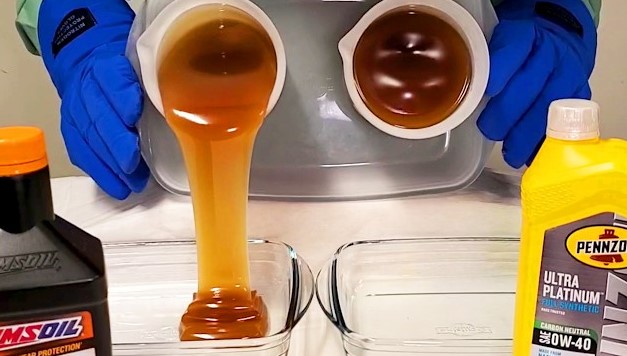
Synthetic oil does not come straight from crude oil. Engineers refine and design it in labs. They control the size and shape of the molecules. This control gives better stability.
Synthetic oil contains:
-
Base oils
-
Additives
-
Detergents
-
Anti-wear agents
-
Friction modifiers
-
Anti-foam agents
Additives make up about 15% to 30% of the oil. These chemicals protect engine parts. Over time, additives weaken. Once they break down, oil loses power. Stronger formula. Controlled design. Still not permanent.
Shelf Life of Unopened Synthetic Motor Oil
Most major oil brands state that unopened synthetic oil lasts about 5 years. Some high-quality oils may last 7 to 8 years under perfect storage conditions.
Shelf life depends on:
-
Storage temperature
-
Exposure to sunlight
-
Humidity level
-
Quality of the bottle seal
Ideal storage temperature stays between 40°F and 85°F (5°C to 30°C). Extreme heat speeds up chemical breakdown. Freezing temperatures can also affect additives.
Oil stored in a hot garage that reaches 100°F (38°C) during summer may age faster. Chemical reactions double in speed for every 18°F (10°C) rise in temperature. Heat matters a lot.
What Happens Inside the Bottle Over Time?
Oil does not “rot” like food. Chemical changes happen slowly.
Over time:
-
Additives settle at the bottom
-
Oxidation begins
-
Viscosity may change
-
Contamination risk increases
Oxidation happens when oil reacts with oxygen. Even sealed bottles allow tiny air exposure. Oxidation thickens oil. Thick oil flows slower inside the engine.
Sediment at the bottom of the bottle may appear after many years. Gentle shaking can mix it again. Heavy sludge means the oil has aged too much.
How Long Does Synthetic Oil Last Inside an Engine?
Inside an engine, oil faces extreme stress.
Engine oil temperature can reach:
-
195°F to 220°F (90°C to 105°C) during normal driving
-
Up to 250°F (121°C) in heavy traffic or towing
High heat causes oxidation. Combustion gases mix with oil. Tiny metal particles enter the oil. Fuel dilution may occur.
Most vehicles require oil changes every:
-
5,000 to 7,500 miles for mixed driving
-
7,500 to 10,000 miles for highway driving
-
Up to 15,000 miles for some modern engines
Severe driving shortens oil life. Severe conditions include:
-
Short trips under 5 miles
-
Stop-and-go traffic
-
Heavy loads
-
Very hot or very cold weather
Short trips cause moisture buildup. The engine does not get hot enough to burn off water. Water mixes with oil and reduces lubrication strength.
Oil Degradation: The Science Behind It
Oil breaks down in three main ways:
1. Oxidation
Heat and oxygen react with oil molecules. Oil thickens. Sludge forms. Acid levels rise.
2. Thermal Breakdown
High heat weakens additives. Protective layers on metal parts become thinner.
3. Contamination
Dirt, dust, fuel, and metal particles mix with oil. Oil filter captures some, but not all.
Oil analysis labs measure:
-
Viscosity change
-
Acid number
-
Metal content
-
Additive levels
These tests show oil health. Many studies show synthetic oil resists oxidation better than conventional oil. Still, no oil resists forever.
Does Synthetic Oil Expire Faster After Opening?
Yes. Air exposure increases oxidation speed.
After opening:
-
Oxygen enters the bottle
-
Moisture may enter
-
Dust may contaminate the oil
Opened oil should be used within 1 year for best safety. Tight sealing slows aging.
Signs Synthetic Oil Has Expired
Visual and physical signs help you judge oil condition.
Thick or Gel-Like Texture
Fresh oil flows easily. Expired oil may look sticky.
Sour or Burnt Smell
Sharp smell suggests oxidation.
Heavy Sediment
Dark particles at the bottom may signal breakdown.
Cloudy Appearance
Cloudiness may mean water contamination.
Inside the engine, warning signs include:
-
Loud ticking sounds
-
Lower fuel efficiency
-
Engine overheating
-
Rough idle
Strange sound. Strange smell. Warning signal.
What Happens If You Use Expired Oil?
Slightly old oil may still lubricate. Very old oil can fail under stress.
Possible risks:
-
Increased engine wear
-
Sludge buildup
-
Poor fuel economy
-
Higher engine temperature
-
Shorter engine life
Engines rely on a thin oil film between moving parts. That film measures only microns thick. Weak oil cannot maintain that barrier under high pressure.
Synthetic vs Conventional Oil: Deeper Comparison
Synthetic oil:
-
Better heat resistance
-
Slower oxidation
-
Longer drain intervals
-
Better cold start performance
Conventional oil:
-
Lower cost
-
Shorter shelf life
-
Faster breakdown
Both oils expire. Synthetic oil simply ages slower. Stronger resistance. Same aging rule.
How to Extend Synthetic Oil Life?
Proper storage makes a big difference.
Follow these steps:
-
Keep bottles tightly closed
-
Store indoors
-
Avoid direct sunlight
-
Maintain moderate temperature
-
Keep away from moisture
Inside your vehicle:
-
Follow recommended oil change intervals
-
Replace oil filter during oil change
-
Check oil level monthly
-
Avoid long engine idle time
Maintenance protects both oil and engine.
Oil Expiration Date: Where to Check
Many oil bottles show a production date printed on the bottle or cap. Some brands use coded numbers.
Check:
-
Bottom of the bottle
-
Neck of the container
-
Printed label
Production date helps estimate shelf life. Add 5 years to the production year for general guidance.
FAQs
Does synthetic motor oil expire if unopened?
Yes. Most unopened synthetic oil lasts about 5 years under good storage conditions.
Can extreme heat ruin synthetic oil?
Yes. High heat speeds up oxidation and weakens additives.
Can I mix old synthetic oil with new oil?
Small amounts may not cause harm, but mixing reduces overall quality. Fresh oil alone works better.
Does oil expire faster in humid climates?
Yes. High humidity increases moisture risk and speeds up degradation.
Should I change oil based on time or mileage?
Follow both. Change oil at least once every 12 months, even with low mileage.
Conclusion
Synthetic motor oil does expire. Shelf life usually reaches around five years unopened. Heat, air, and moisture shorten that time. Oil inside an engine ages much faster due to heat and contamination.
Expired oil loses viscosity control and additive strength. Weak oil cannot protect metal parts under pressure. Regular checks and proper storage keep oil effective. Fresh oil supports long engine life. Old oil increases risk. Smart maintenance prevents costly repairs.