
Old motor oil piles up fast after routine car maintenance. Many drivers store it in garages and forget about it. That dark liquid may look useless, but it still holds value. Proper handling protects your engine, your home, and the environment.
Careless dumping can pollute soil and water in your local area. One gallon of used oil can contaminate thousands of gallons of fresh water. Responsible disposal keeps your community clean and safe.
Several easy options exist for anyone who wants to deal with old motor oil the right way. Local auto shops and recycling centers often accept used oil at no cost. Some service stations also collect it for proper recycling.
Recycled oil can return as new motor oil or fuel for industrial heaters. Smart action saves money and reduces waste. Clear steps and simple habits make a big difference in how you handle what to do with old motor oil.
What to Do With Old Motor Oil?
Old motor oil is a dangerous liquid if not handled properly. Cars, trucks, and motorcycles use motor oil to protect engines. After a few thousand miles, the oil becomes dirty. It collects metal particles, dirt, and chemicals.
Used motor oil cannot be poured down the drain, dumped in soil, or thrown in the trash. Even one gallon of old oil can pollute up to 1 million gallons of water.
This guide explains safe ways to store, transport, and recycle old motor oil. It also covers safety tips and what never to do.
Why Old Motor Oil Is Harmful?
Motor oil contains chemicals that are toxic to humans, animals, and plants. Some of the harmful substances in used oil include:
-
Lead and other metals – From engine wear, can poison soil and water.
-
Polycyclic aromatic hydrocarbons (PAHs) – Can cause cancer and affect fish in rivers.
-
Additives – Detergents, anti-wear agents, and other chemicals remain after use.
Old motor oil can harm the environment in these ways:
-
Water pollution – One gallon of oil can coat and poison 1 million gallons of fresh water, affecting fish, plants, and drinking water.
-
Soil contamination – Oil makes soil infertile. Plants cannot grow, and underground water becomes unsafe.
-
Air pollution – Burning oil without proper equipment releases toxic gases like benzene and sulfur dioxide.
Safe Storage of Old Motor Oil
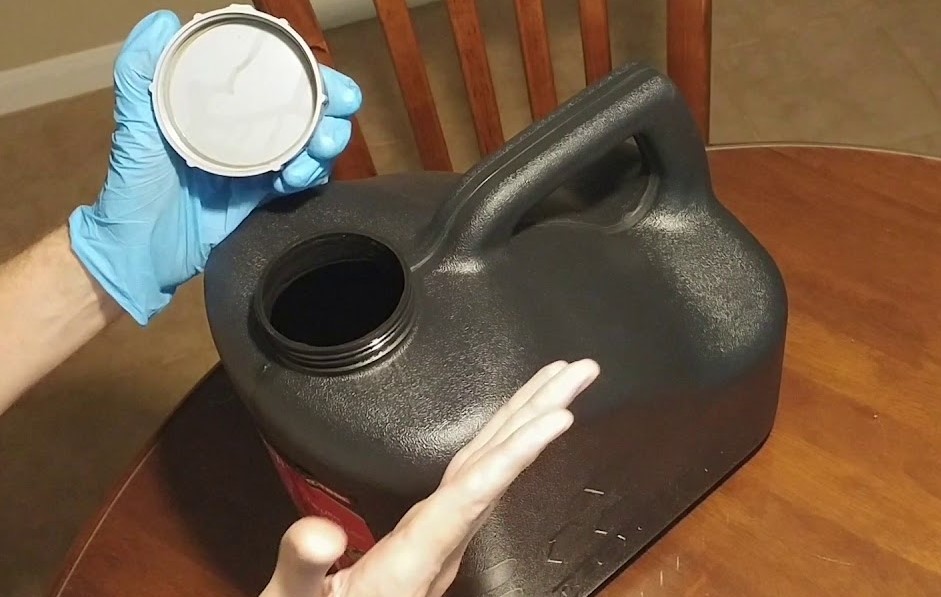
Proper storage prevents spills and accidents.
Use a Strong Container
-
Use a clean, sealable container, preferably plastic or metal.
-
Keep the original oil bottle if it is still usable.
-
Clearly label it “Used Motor Oil” to avoid mistakes.
Do not mix oil with other fluids like gasoline, brake fluid, antifreeze, or paint. Mixing chemicals makes recycling harder and dangerous.
Store in a Safe Place
-
Store oil in a cool, dry area, away from sunlight and heat.
-
Keep containers off the ground to prevent leaks. A small shelf or pallet works well.
-
Keep it out of reach of children and pets.
-
Avoid storing near flames or electrical equipment. Motor oil is flammable under heat.
How to Recycle Old Motor Oil?
Recycling is the safest and most environmentally friendly option.
Auto Parts Stores
Many auto parts stores accept used oil for recycling. Stores usually have large tanks where employees pour your oil. Some locations accept up to 5 gallons per visit, but it varies.
Local Recycling Centers
City recycling centers and some gas stations also accept old motor oil. You can check your local waste management website for locations and rules. Many centers also accept used oil filters, which can contain up to 1 pint of oil.
The Recycling Process
-
Collection – Old oil is collected in large storage tanks.
-
Filtering – Dirt, water, and metal particles are removed.
-
Refining – Oil is treated to remove impurities.
-
Reusing – The oil becomes new motor oil, industrial lubricants, or fuel oil.
Recycling oil saves over 90% of the energy needed to produce new oil. It also reduces pollution and landfill waste.
Can Old Motor Oil Be Reused at Home?
Reusing old oil without proper filtration can damage engines. Only clean, filtered oil can be reused for some purposes:
-
Lubricating farm or workshop tools
-
Rust prevention on chains, blades, or metal surfaces
-
Small machinery like lawnmowers (after filtering)
Never use dirty oil inside car or motorcycle engines. It reduces performance and can cause engine damage.
What Not to Do With Old Motor Oil?
Do Not Pour on Soil
Oil seeps into the ground. It kills plants and pollutes underground water. Even a small spill can affect hundreds of square feet of soil.
Do Not Pour in Drains
Drains connect to rivers and lakes. Oil creates a film on water surfaces. Fish, frogs, and birds cannot survive.
Do Not Throw in Trash
Trash trucks crush containers. Oil leaks into landfills and contaminates soil and groundwater.
Handling Used Oil Filters
Used oil filters contain trapped oil and metal particles.
-
Drain filters for at least 24 hours before recycling.
-
Place them in a sealed bag to prevent leaks.
-
Many recycling centers accept filters with oil.
Proper disposal prevents pollution and supports recycling programs.
Safety Tips During Oil Change
Handling oil can be messy and dangerous. Use simple safety steps:
-
Wear gloves and old clothes. Oil stains clothes permanently.
-
Place a drain pan under the vehicle.
-
Avoid skin contact. Old oil contains metals and chemicals.
-
Clean spills immediately. Use sand, kitty litter, or absorbent cloths.
-
Wash hands thoroughly after handling oil.
Extra Tips
-
Keep a small notebook to track oil changes and storage.
-
Do not store more than 10–15 gallons at home, to reduce fire risk.
-
Use funnel while pouring to avoid spills.
-
Recycle oil regularly. Long storage increases risks.
FAQs
1. Can I burn old motor oil at home?
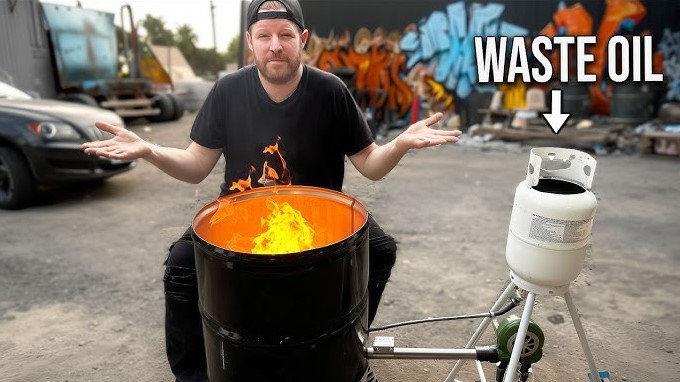
Burning oil at home is unsafe and illegal in many areas. It releases toxic fumes and can start fires. Only industrial burners handle oil safely.
2. How long can old motor oil be stored?
Sealed containers in cool, dry places can store oil for up to 12 months. Avoid heat and sunlight.
3. Can I mix synthetic and regular motor oil for recycling?
Yes, recycling centers accept both together. Keep the oil free from other fluids.
4. What should I do if old oil spills?
Cover the spill with sand, kitty litter, or sawdust. Sweep it into a sealed bag. Take it to a recycling center if possible.
5. Can used motor oil be reused safely?
Filtered oil can be reused for lubricating tools or rust prevention, but never for engines without proper processing.
Conclusion
Old motor oil can cause serious harm if handled incorrectly. Safe storage, careful transport, and recycling protect water, soil, and wildlife.
Small actions, like using proper containers and taking oil to a recycling center, make a big difference. Recycling oil also saves energy and reduces waste. Treat used motor oil as hazardous material and follow safe practices every time.