
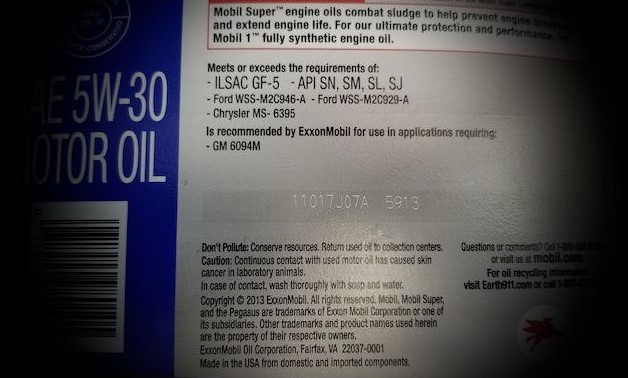
Motor oil plays a key role in engine health, yet many drivers forget to check how long it lasts on the shelf. Bottles often sit in garages for years without a second thought. Heat, moisture, and air exposure can slowly change oil quality over time.
Additives break down, and performance may drop before you even notice a problem. Engine parts rely on clean, stable oil to reduce friction and control temperature. Old oil can lose its protective power and put your engine at risk.
Many brands print a manufacturing date instead of a clear expiration date, which creates confusion. Drivers often ask if unused motor oil can go bad or if sealed bottles stay safe forever.
Storage conditions make a big difference in shelf life. Proper care helps oil last longer and perform as expected. This guide explains how long motor oil lasts, how to store it correctly, and how to spot signs that it has expired.
Does Motor Oil Have a Use By Date?
Does motor oil have a use by date? Many drivers store extra oil in the garage. Some keep it for years. A simple question comes to mind. Is that oil still safe to use?
Motor oil protects the engine every second the car runs. It reduces friction. It carries heat away. It traps dirt. Strong oil keeps metal parts from grinding against each other. Weak oil cannot do this job well.
Clear facts help you avoid engine damage. This guide explains shelf life, chemical changes, storage science, and real risks in simple words.
Does Motor Oil Have a Real Expiration Date?
Most motor oil bottles do not show a clear “use by” date. Companies often print a batch code or production date. Oil makers test their products for stability. Many state that unopened oil stays stable for 3 to 5 years under normal storage.
Time alone does not ruin oil fast. Exposure does. Sealed oil stored at room temperature often keeps its quality for years. Poor storage can shorten that time.
What Motor Oil Contains?
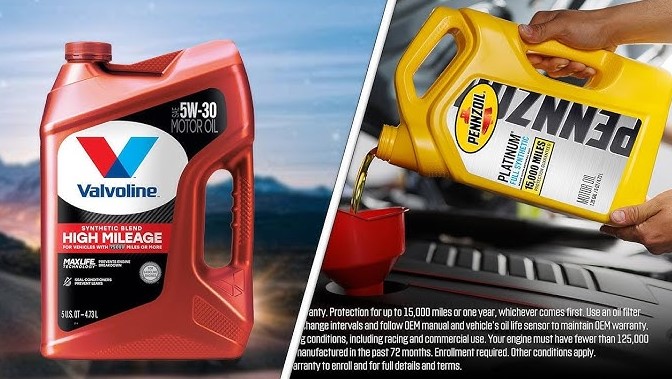
Motor oil has two main parts:
-
Base oil
-
Additives
Base oil makes up about 70% to 90% of the product. It provides lubrication and flow.
Additives make up about 10% to 30%. These chemicals improve performance. Common additives include:
-
Detergents that clean engine parts
-
Dispersants that hold dirt in suspension
-
Anti-wear agents that protect metal
-
Antioxidants that slow chemical breakdown
-
Viscosity modifiers that control thickness
Additives give oil its strength. Over time, these chemicals lose power.
Why Motor Oil Breaks Down Over Time?
Oil degrades mainly due to oxidation. Oxygen reacts with oil molecules. Heat speeds up this reaction.
Oxidation can:
-
Thicken oil
-
Form sludge
-
Reduce lubrication
-
Change color
Moisture also causes harm. Water can enter after opening the bottle. Even small moisture levels can reduce additive performance.
Temperature swings matter too. Repeated heating and cooling can stress oil structure. Storage above 100°F for long periods can shorten shelf life. Small chemical changes add up. Years of poor storage can reduce oil quality.
Shelf Life of Unopened Motor Oil
Unopened oil stays protected from air and moisture. Most conventional oils last about 3 to 5 years. Many synthetic oils can last around 5 years or slightly longer.
Some oil companies test products up to 5 years and report stable viscosity and additive levels. Beyond that, they cannot guarantee full performance.
Important factors include:
-
Stable indoor temperature between 40°F and 85°F
-
No direct sunlight
-
Original sealed container
A bottle stored in a hot shed for three summers may age faster than one stored inside a house.
Shelf Life of Opened Motor Oil
Opened oil faces new risks. Air enters the container. Moisture can mix in small amounts. Dirt may fall inside.
Use opened oil within 1 to 2 years for best safety. Always close the cap tightly after each use. Keep the bottle upright.
A half-empty bottle has more air space inside. More air means more oxidation risk.
Clean storage extends life. Dirty environments shorten it.
Synthetic vs Conventional Oil Shelf Life
Synthetic oil uses chemically engineered base stocks. These molecules have uniform structure. This helps synthetic oil resist heat and oxidation better.
Conventional oil uses refined crude oil. It contains more natural impurities. These may break down sooner under stress.
Synthetic oil usually:
-
Resists thickening longer
-
Handles heat better
-
Maintains viscosity stability
Still, storage rules stay the same. Both types degrade over time.
Understanding Viscosity and Oil Aging
Viscosity means thickness. Oil must stay within a specific range. For example, 5W-30 oil must flow well in cold weather and stay thick enough at high heat.
Old oil can thicken due to oxidation. Thick oil may not flow well during cold starts. Poor flow increases engine wear in the first seconds after start-up.
Oil can also thin out if additives break down. Thin oil may not protect bearings and camshafts well. Correct viscosity protects engine parts. Aged oil may drift from its rated grade.
Signs Motor Oil Has Gone Bad
Check oil before use. Simple inspection can prevent damage.
Watch for:
-
Cloudy or milky look
-
Very dark or uneven color
-
Thick, sticky texture
-
Strong sour smell
-
Visible particles
Fresh oil feels smooth and clean. It pours easily. Any strange change suggests risk.
Risks of Using Expired Motor Oil
Expired oil may not lubricate properly. Poor lubrication increases metal contact. More metal contact increases wear.
Possible results include:
-
Higher engine temperature
-
Faster bearing wear
-
Sludge buildup
-
Reduced fuel efficiency
-
Shorter engine life
Engine repair costs can reach thousands of dollars. A new oil bottle costs far less. Risk never feels worth it.
Oil Stored Inside the Engine
Oil ages faster inside the engine than on a shelf. Heat reaches over 200°F during normal driving. Combustion gases mix with oil. Tiny metal particles enter from normal wear.
Modern engines often require oil changes every 5,000 to 10,000 miles. Severe driving, short trips, and heavy loads shorten oil life.
Oil life monitors in many cars track engine temperature, driving style, and trip length. They estimate when oil loses strength. Fresh oil keeps engines efficient and clean.
Best Storage Practices
Simple steps protect oil quality:
-
Store bottles in a cool indoor place
-
Avoid sunlight and high heat
-
Keep caps tightly sealed
-
Do not store near chemicals
-
Write purchase date on the bottle
Avoid buying large stock unless needed. Oil prices change slowly. Fresh supply works best.
Environmental and Disposal Notes
Old motor oil should never go into the trash or drain. Used oil contains harmful chemicals.
Recycling centers accept used oil for proper treatment. Clean disposal protects soil and water. Responsible habits protect your community.
FAQs
Does motor oil really expire?
Yes. Motor oil degrades over time. Most unopened oil lasts about 3 to 5 years. Storage conditions affect this period.
Can I mix old oil with new oil?
Mixing small amounts may not cause immediate harm. Fresh oil works better alone. Avoid mixing very old oil with new oil.
Is dark oil always bad?
Not always. Some oils darken slightly over time. Cloudy texture, sludge, or strong smell suggest real problems.
Does extreme cold damage stored oil?
Very low temperatures may thicken oil temporarily. Normal room temperature storage works best. Long freezing cycles may affect stability.
Should I throw away oil older than five years?
Oil older than five years may still look fine. Performance cannot be guaranteed. Safe choice means using fresh oil.
Conclusion
Motor oil does have a practical use by period, even if the bottle does not show a clear date. Most unopened oil lasts three to five years under good storage. Opened oil lasts less.
Oxidation, heat, moisture, and time reduce oil strength. Weak oil cannot protect your engine well. Simple storage habits help oil stay stable longer.
Fresh oil costs little compared to engine repair. Smart storage and regular checks keep your engine safe and smooth for many years.