
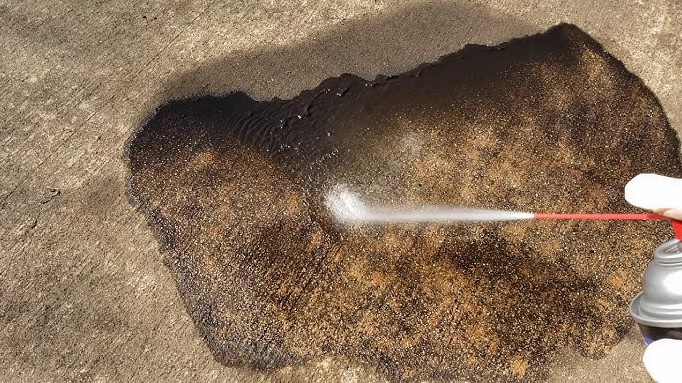
Dark motor oil stains can ruin the clean look of a driveway or garage floor. Fresh spills soak deep into cement and leave stubborn marks that seem impossible to remove. Many homeowners feel frustrated after soap and water fail to fix the problem.
Cement has a porous surface, so oil spreads fast and grips tight. Quick action makes a big difference, but old stains still need the right method and tools. Strong results depend on proper cleaning agents, scrubbing technique, and patience.
Harsh chemicals can damage the surface or harm nearby plants, so smart product choice matters. Simple household items often work better than expensive specialty cleaners.
Clear steps help you treat both fresh and dried stains without guesswork. This guide explains practical methods that lift oil from cement and restore a cleaner, brighter surface without costly repairs or professional help.
How to Get Motor Oil Out of Cement?
Motor oil stains on cement look dark and messy. One small leak can leave a big black mark. The stain spreads fast and sinks deep into the surface. Many people try water first. Water does not work. Oil and water do not mix.
Cement has tiny holes. Oil slips into these holes and stays there. That is why the stain looks deep and hard to remove.
You can clean it. You need the right method and some patience. This guide explains every step in detail. Simple words. Clear actions. Real results.
Why Motor Oil Stains Are So Hard to Remove?
Cement looks solid, but it has many tiny air pockets. Experts call this porous material. These small spaces soak up liquids.
Motor oil has thick and sticky parts called hydrocarbons. These parts cling to cement. Heat from the sun makes oil spread even more.
Over time, dust sticks to the oil. The stain turns darker and larger. Fresh stains sit near the surface. Old stains move deeper. That is why fast action helps.
Understand the Type of Stain
Different oil spills need different effort.
-
Fresh spill (less than 24 hours): Easy to remove
-
1 to 7 days old: Medium difficulty
-
Old stain (weeks or months): Hard to remove
Large spills soak deeper. Thin oil spreads wider. Synthetic oil often leaves darker marks. Check the size and age before you start.
Tools and Materials You May Need
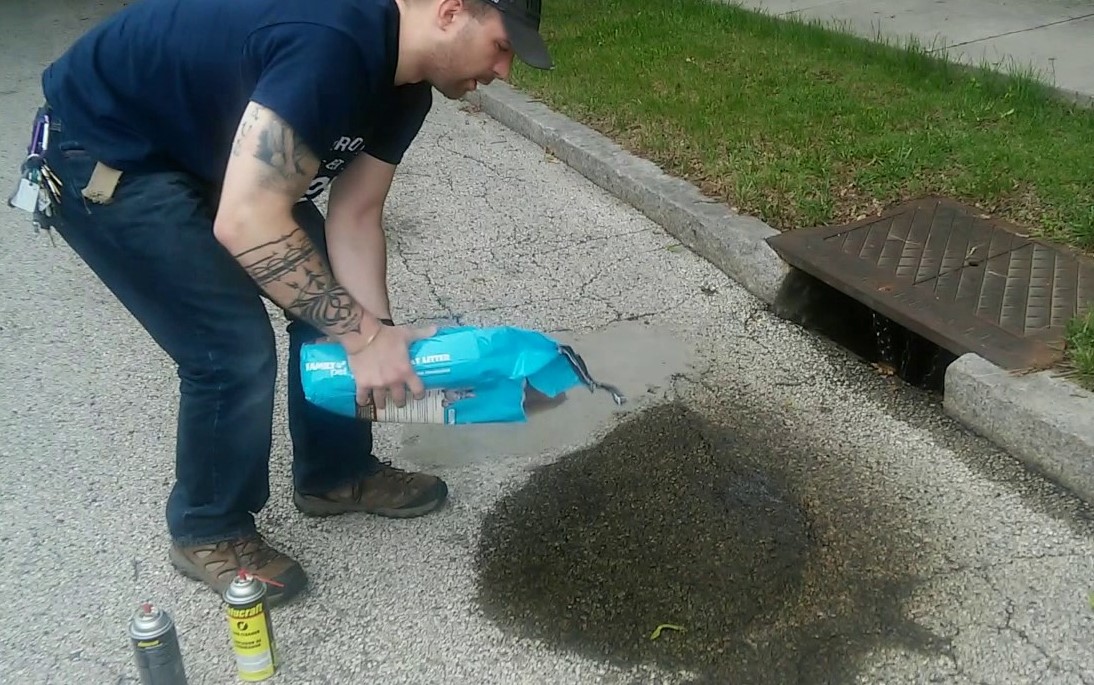
Prepare your supplies first.
-
Paper towels or absorbent cloth
-
Cat litter, baking soda, or sawdust
-
Strong grease-cutting dish soap
-
Hot water
-
Stiff nylon brush
-
Plastic scraper
-
Concrete degreaser
-
Pressure washer (optional)
-
Protective gloves
Hot water works better than cold water because heat softens oil.
Step-by-Step Deep Cleaning Method
Step 1: Remove Surface Oil
Place paper towels over the spill. Press firmly. Replace soaked towels with fresh ones. Keep pressing until the towel looks almost clean.
Do not wipe across the surface. Wiping spreads the oil outward. For thick oil, use a plastic scraper. Lift off heavy layers gently. Time needed: 5 to 10 minutes.
Step 2: Absorb the Oil from Inside the Cement
Cover the entire stain with cat litter or baking soda. Use a thick layer about half an inch deep. Press it down with your shoe. This step pushes the powder into the pores.
Leave it for 24 to 48 hours. Longer time pulls out more oil. Sweep it away after one or two days. Check the stain. Many fresh spills fade by 50% to 70% after this step.
Step 3: Deep Scrub with Dish Soap
Pour grease-cutting dish soap directly onto the stain. Use enough to cover the dark area fully. Add a small amount of hot water. Do not flood the area.
Scrub hard with a stiff brush. Use small circular motions. Scrub for at least 10 minutes. Let the soap sit for 15 minutes. Rinse with hot water.
Repeat 2 to 3 times if needed. Dish soap works because it breaks oil into small particles. Water can then wash it away.
Step 4: Apply a Concrete Degreaser
Some stains stay visible after soap cleaning. Use a commercial concrete degreaser. Choose one made for oil removal. Read the label for correct use.
Pour the degreaser on the stain. Spread it evenly. Let it sit for the time listed on the bottle. Usually 15 to 30 minutes. Scrub again with a stiff brush. Rinse with water.
Old stains may need two or three treatments. Many degreasers contain alkaline compounds. These chemicals break down oil into smaller parts. This process makes it easier to wash away.
Step 5: Pressure Washing for Deep Extraction
A pressure washer sprays water at high force. This force pushes into cement pores. Use 2,000 to 3,000 PSI for driveway cleaning. Keep the nozzle 12 inches away from the surface.
Spray in slow, steady passes. Move evenly across the area. Do not hold the spray in one spot too long. High pressure can damage cement. This step works best after soap or degreaser treatment.
Strong Home Remedies Explained
Baking Soda and Vinegar
Baking soda absorbs oil. Vinegar reacts and helps loosen dirt. Sprinkle baking soda thickly. Pour a small amount of vinegar over it. The fizz shows a reaction.
Scrub after 15 minutes. Rinse well. This method works best on light stains.
Laundry Detergent Paste
Mix powder laundry detergent with a little water. Form a thick paste. Spread it over the stain. Cover with plastic wrap. Leave for 24 hours.
Scrub and rinse the next day. Laundry detergent contains strong grease fighters. Many people see good results with this method.
Cola Method
Pour cola over the stain. Leave overnight. Cola has mild acids like phosphoric acid. These acids help loosen oil.
Scrub the next day. Rinse well. This method works on small and light stains only.
How Long Does It Really Take?
Fresh spills may clear in one day. Medium stains often need two or three cleaning rounds over several days.
Very old stains may fade but not disappear 100%. Deep oil can stay under the surface. Patience matters. Repeating steps improves results.
Safety Tips
Wear gloves when using degreasers. Some products irritate skin. Keep children and pets away from chemicals.
Work in open air. Strong cleaners release fumes. Store chemicals safely after use.
Prevent Future Oil Stains
Prevention saves time and money.
-
Fix engine leaks quickly
-
Use a drip tray under your car
-
Place cardboard under parked vehicles
-
Apply a concrete sealer
Concrete sealer fills pores. Oil stays on top and cleans easily. Reseal every 2 to 3 years for best protection.
Common Problems and Solutions
Stain Looks Lighter but Still Visible
Repeat the degreaser treatment. Use pressure washing again.
White Marks After Cleaning
Soap residue may remain. Rinse again with clean water.
Rough Surface After Pressure Wash
Pressure may be too high. Use lower PSI next time.
FAQs
Can I remove motor oil from old concrete?
Yes. Old stains take more time. Strong degreasers and repeated scrubbing help a lot.
Does hot water really make a difference?
Yes. Heat softens oil. Soft oil lifts easier from cement pores.
Can sand help remove oil stains?
Sand absorbs surface oil but does not pull oil from deep pores. Use it only for fresh spills.
How many times should I repeat cleaning?
Repeat until you see no more improvement. Most stains need 2 to 4 rounds.
Conclusion
Motor oil sinks deep into cement because the surface has tiny holes. Quick action removes most fresh stains. Absorb first. Scrub with soap next. Use degreaser for deep cleaning. Finish with pressure washing for best results.
Old stains may fade slowly. Repeat the process with patience. Clean cement improves the look of your driveway or garage. Regular care keeps stains away in the future.