
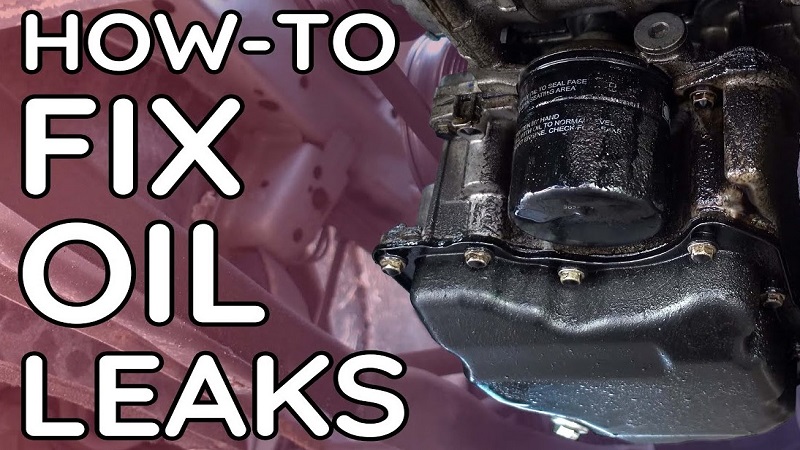
A small motor oil leak can turn a healthy engine into a costly headache fast. Dark spots under the car often signal trouble that drivers should never ignore. Oil keeps engine parts cool, smooth, and protected from harsh friction.
A leak slowly steals that protection and pushes the engine toward serious damage. Many drivers panic at the sight of fresh oil stains on the driveway. Smart troubleshooting can reveal the source and stop the mess before repair bills grow.
Gaskets, seals, loose filters, and worn components often trigger the problem. A clear step by step approach helps any car owner track the leak with confidence. Basic tools, patience, and careful inspection often solve the issue without a mechanic.
This guide shares practical steps to find leaks and protect engine life. Clean habits and regular checks also prevent future oil loss and expensive repairs. Next sections break the process into steps every driver can follow.
How to Fix Motor Oil Leak?
Motor oil keeps an engine smooth and cool. Oil moves through many parts and reduces friction. A leak breaks this system. Oil drips out. Engine parts lose protection. Heat and damage start to build.
Small leaks often start slow. A few drops on the ground. A light oil smell. Many drivers ignore these signs at first. That mistake can lead to serious engine trouble.
Good news exists. Many oil leaks have simple causes. A worn gasket. A loose bolt. A cracked seal. Basic tools and patience can solve many of these problems.
This guide explains how to fix a motor oil leak step by step. Clear steps. Simple words. Practical tips.
Understanding Motor Oil Leaks
Oil leaks start from weak or damaged engine parts. Rubber seals wear out over time. Metal parts expand and contract with heat. Dirt and pressure also cause damage.
Common signs of an oil leak include:
-
Oil spots under the car
-
Burning oil smell
-
Low oil level
-
Smoke from the engine area
-
Greasy engine parts
Oil leaks may start small. Small leaks often grow larger over time.
Common Causes of Motor Oil Leaks
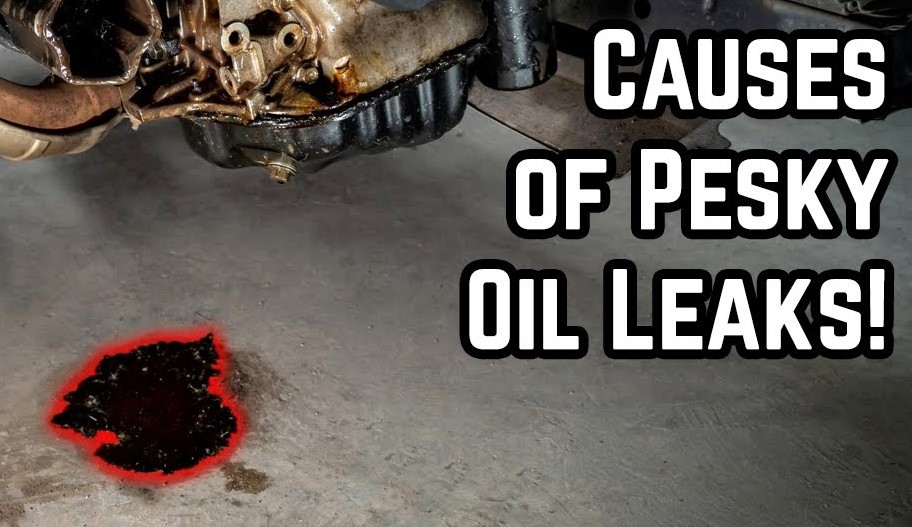
Worn Valve Cover Gasket
A valve cover gasket seals the top of the engine. Heat and age make the rubber hard and brittle. Oil slowly seeps out. Oil often appears around the top of the engine in this case.
Loose Oil Filter
An oil filter cleans the engine oil. A loose filter allows oil to leak out. Oil drips near the filter area under the engine.
Damaged Oil Pan Gasket
The oil pan sits at the bottom of the engine. A gasket seals it. Road debris, age, and heat damage this seal. Oil gathers under the engine or on the pan surface.
Worn Engine Seals
Front and rear main seals hold oil inside the engine. Old seals shrink or crack. Repair becomes harder in this case because these seals sit deep inside the engine.
Tools and Materials Needed
Basic tools help with most oil leak repairs.
-
Socket wrench set
-
Screwdrivers
-
Oil drain pan
-
Clean cloth or rags
-
Engine degreaser
-
Replacement gasket or seal
-
New oil filter
-
Fresh motor oil
Simple tools. Easy work.
Step-by-Step Guide to Fix Motor Oil Leak
Step 1: Find the Leak Source
Clean the engine first. Dirt hides the leak. Spray engine degreaser on oily areas. Wipe with a cloth. Start the engine for a few minutes. Inspect the engine again.
Fresh oil marks show the leak location. Patience helps here. Careful inspection matters.
Step 2: Tighten Loose Parts
Loose parts cause many leaks.
Check these areas:
-
Oil filter
-
Oil drain plug
-
Valve cover bolts
Use a wrench. Tighten gently. Too much force damages threads.
Step 3: Replace the Oil Filter
A worn filter gasket leaks oil.
Steps:
-
Place a drain pan under the engine.
-
Remove the old filter.
-
Apply a small amount of fresh oil on the new filter gasket.
-
Install the new filter by hand.
-
Tighten slightly with a wrench.
Simple repair. Very common fix.
Step 4: Replace the Valve Cover Gasket
Oil around the top of the engine often points to this gasket.
Steps:
-
Remove bolts from the valve cover.
-
Lift the cover carefully.
-
Remove the old gasket.
-
Clean the gasket surface.
-
Place the new gasket in position.
-
Reinstall the cover and bolts.
Even pressure on bolts prevents future leaks.
Step 5: Repair Oil Pan Gasket
Oil pan leaks require more work.
Steps:
-
Drain the engine oil.
-
Remove bolts from the oil pan.
-
Take off the oil pan.
-
Remove the old gasket.
-
Clean the surface well.
-
Install the new gasket.
-
Reattach the oil pan.
Refill the engine with fresh oil after repair.
Temporary Fix for Small Oil Leaks
A quick fix helps in some cases. Oil stop-leak additives soften old seals. These products slow down small leaks. Temporary help only. Mechanical repair still gives the best result.
Tips to Prevent Future Oil Leaks
Regular care keeps the engine healthy.
Follow these tips:
-
Check oil level every week
-
Change oil on schedule
-
Replace gaskets during major service
-
Inspect engine seals regularly
-
Clean engine oil buildup
Small habits protect the engine for years.
Safety Tips
Safety always matters during car repair.
-
Turn off the engine before working
-
Allow the engine to cool
-
Use gloves to protect hands
-
Support the car with jack stands if lifting it
Careful work prevents accidents.
FAQs
What causes motor oil leaks the most?
Old gaskets and seals cause most leaks. Heat and engine pressure wear them out over time.
Can a small oil leak damage an engine?
Yes. Oil protects engine parts. Low oil levels increase friction and heat. Engine damage may follow.
How much does it cost to fix an oil leak?
Cost depends on the leak location. Simple fixes such as oil filters cost very little. Main seal repairs cost much more.
Can driving continue with an oil leak?
Short trips may work with a very small leak. Regular driving without repair risks engine damage.
How long does oil leak repair take?
Simple repairs take under one hour. Complex seal repairs may take several hours.
Conclusion
Motor oil leaks create serious problems for any engine. Early repair saves money and prevents major damage.
Careful inspection often reveals simple causes such as loose parts or worn gaskets. Basic tools handle many repairs at home. Regular maintenance also prevents future leaks.
Small drops of oil today can turn into a large repair tomorrow. Quick action keeps the engine clean, safe, and running smoothly.