
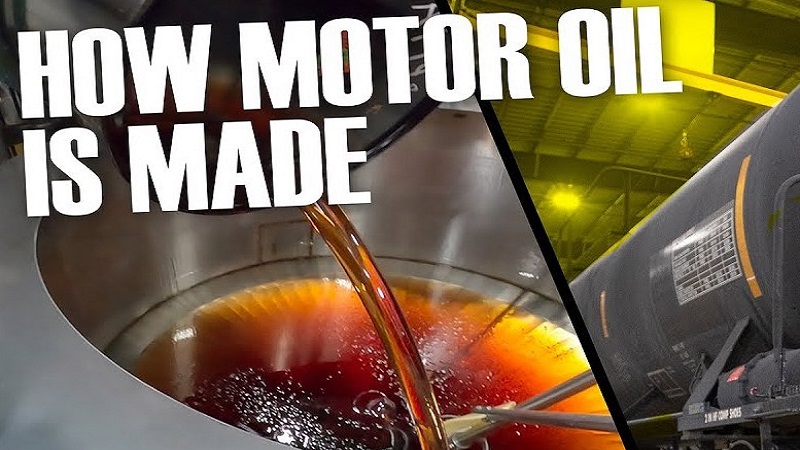
Motor oil keeps an engine alive under heat, pressure, and relentless motion. Many drivers pour it into engines without ever asking what truly sits inside the bottle. A typical bottle hides a precise blend of refined base oils and powerful additives.
Chemists design each component to fight friction, control heat, and guard metal surfaces. Base oil forms the foundation and carries the lubricating film across moving engine parts. Additives bring detergents, anti wear agents, corrosion fighters, and viscosity stabilizers.
Each ingredient plays a clear role inside the harsh environment of combustion. Engineers test countless formulas to balance protection, performance, and long engine life. Synthetic technology pushes the science even further with carefully built molecular structures.
This guide breaks down the real ingredients that make modern motor oil so effective. Curious drivers gain a clearer view of lubrication science and learn why the right oil protects power, efficiency, and durability daily.
What Is Motor Oil Made Of?
Motor oil keeps an engine alive. Metal parts move thousands of times every minute. Heat rises fast. Friction grows stronger. Oil steps in and protects the engine.
A thin liquid handles a heavy job. Motor oil reduces friction, carries heat away, and keeps parts clean. Dirt, carbon, and tiny metal pieces appear during engine work. Oil controls these problems.
Many drivers know engines need oil. Few understand what motor oil contains. A bottle of oil holds a carefully balanced mix of materials.
Two main ingredients form motor oil. Base oil creates the main body of the oil. Additives improve performance and protect the engine. Each ingredient performs a specific task. Engineers design motor oil to survive heat, pressure, and long engine hours.
Motor oil contains two main parts:
-
Base oil
-
Additives
Base oil forms about 70% to 90% of the total oil. Additives make up 10% to 30%. Base oil provides lubrication. Additives improve the oil and help it handle heat, dirt, wear, and chemical changes.
Modern engines run hotter and faster than older engines. Oil formulas continue to improve to meet these demands.
Base Oil: The Core of Motor Oil
Base oil forms the largest portion of motor oil. It creates a slippery film that separates metal engine parts.
Engines contain many moving parts:
-
Pistons
-
Crankshaft
-
Camshaft
-
Valves
-
Bearings
Metal surfaces slide and rotate constantly. Direct metal contact would destroy the engine within minutes. Base oil prevents this contact.
Where Base Oil Comes From
Most base oils start as crude oil from underground reservoirs. Oil refineries process crude oil through heating and separation. Different liquids appear at different temperatures.
Engineers collect the portion suitable for lubricating oil. After separation, the oil still contains wax, sulfur, and unstable molecules. Refineries remove these materials to create clean base oil.
Base Oil Groups Explained
Oil companies classify base oils into five groups based on purity, sulfur level, and molecular structure.
Group I Base Oil
Group I oil represents the oldest refining method.
Characteristics:
-
Less refined structure
-
Higher sulfur content
-
Lower resistance to heat
Many older engines used this oil. Modern engines rarely use it today. Group I oil usually contains less than 90% saturated hydrocarbons and more than 0.03% sulfur.
Group II Base Oil
Group II oil receives better refining treatment. Hydrogen processing removes impurities and improves stability.
Key features:
-
Cleaner oil structure
-
Better oxidation resistance
-
Improved engine protection
Many conventional motor oils today use Group II base oils. Group II oil contains over 90% saturated hydrocarbons and less than 0.03% sulfur.
Group III Base Oil
Group III oil undergoes severe hydrocracking. The process breaks molecules and rebuilds them into more stable forms.
Results include:
-
Higher viscosity stability
-
Better heat resistance
-
Improved cold performance
Many companies sell Group III oil as synthetic oil because its molecular structure becomes highly refined.
Group IV Base Oil (PAO)
Group IV oil uses polyalphaolefin (PAO) synthetic molecules. Chemical reactions create these molecules in laboratories.
Advantages include:
-
Very stable molecular structure
-
Excellent performance in extreme heat
-
Strong cold temperature flow
High-performance engines often rely on Group IV oils.
Group V Base Oil
Group V oils include special synthetic oils such as:
-
Esters
-
Polyalkylene glycols
-
Silicone oils
Manufacturers usually mix Group V oils with other base oils to improve lubrication and stability. Esters also help oil stick to metal surfaces better.
Synthetic vs Conventional Motor Oil
Motor oil falls into three main categories.
Conventional Oil
Conventional oil uses refined crude oil as the base. It works well for normal driving conditions.
Benefits:
-
Lower price
-
Suitable for older engines
Limitations:
-
Shorter lifespan
-
Less stability at extreme temperatures
Full Synthetic Oil
Synthetic oil uses advanced chemical processes. Engineers design molecules with uniform structure.
Benefits:
-
Strong heat resistance
-
Excellent cold start protection
-
Longer oil change intervals
Synthetic oil often lasts 7,500 to 15,000 miles depending on the engine.
Synthetic Blend Oil
Synthetic blend oil mixes conventional and synthetic base oils.
Benefits include:
-
Moderate price
-
Better protection than conventional oil
-
Improved temperature performance
Many drivers use synthetic blend oil for everyday driving.
Additives: The Protection System Inside Motor Oil
Additives strengthen motor oil and expand its abilities. Base oil alone cannot handle modern engine stress.
Additives perform several jobs:
-
Clean engine surfaces
-
Prevent corrosion
-
Reduce friction
-
Control oil thickness
-
Prevent foam
-
Slow oil breakdown
Additives usually form 10% to 30% of motor oil.
Major Types of Motor Oil Additives
Detergents
Detergents keep engine parts clean. Combustion creates carbon deposits that stick to hot surfaces.
Detergents break down these deposits and prevent buildup on pistons and valves. Calcium and magnesium compounds often serve as detergent additives.
Dispersants
Dispersants hold dirt and soot particles in suspension. Tiny particles remain inside the oil rather than sticking to engine parts.
Oil filters capture these particles later. Dispersants play an important role in diesel engines because diesel engines produce more soot.
Anti-Wear Additives
Metal surfaces experience pressure and friction during engine operation. Anti-wear additives form a protective chemical film on metal.
One common additive is ZDDP (zinc dialkyldithiophosphate).
ZDDP protects:
-
Camshafts
-
Lifters
-
Bearings
This additive reduces metal wear during heavy engine load.
Friction Modifiers
Friction modifiers reduce internal resistance between moving parts.
Less friction means:
-
Better fuel economy
-
Smoother engine operation
-
Lower heat production
Organic molybdenum compounds often serve this role.
Viscosity Index Improvers
Engine oil must flow in cold weather and remain thick enough in hot engines. Viscosity index improvers help oil maintain stable thickness across temperatures.
Oil labeled 5W-30 or 10W-40 relies on these additives. Cold numbers represent winter performance. Higher numbers represent hot temperature thickness.
Antioxidants
Heat and oxygen slowly damage oil molecules. Oxidation causes sludge and thick oil. Antioxidants slow this chemical reaction and extend oil life.
Corrosion Inhibitors
Engines produce moisture and acids during combustion. Corrosion inhibitors protect metal surfaces from rust and chemical damage. These additives protect bearings, piston rings, and other parts.
Anti-Foam Agents
Oil pumps move oil rapidly through the engine. Air bubbles may form during circulation. Foamy oil cannot lubricate properly. Anti-foam additives remove air bubbles and maintain smooth oil flow.
Physical Properties of Motor Oil
Motor oil must meet several important physical requirements.
Viscosity
Viscosity describes oil thickness. Thick oil protects better under heavy load. Thin oil flows better in cold temperatures.
Oil viscosity grades include:
-
0W-20
-
5W-30
-
10W-40
-
15W-50
Lower numbers improve cold starts.
Flash Point
Flash point measures the temperature where oil vapors ignite. High-quality motor oils often show flash points above 200°C (392°F). Higher flash points indicate better heat resistance.
Pour Point
Pour point measures the lowest temperature where oil still flows. Synthetic oils often flow below -40°C. Conventional oils usually stop flowing earlier. Cold climate engines benefit from low pour point oil.
Total Base Number (TBN)
TBN measures oil’s ability to neutralize acids. Higher TBN values mean better protection against acid corrosion. Diesel engine oils often contain higher TBN levels.
How Motor Oil Circulates Inside an Engine?
Oil pumps move motor oil through the engine.
The circulation path usually follows this order:
-
Oil pump pulls oil from the oil pan
-
Oil passes through the oil filter
-
Clean oil flows into engine galleries
-
Oil reaches crankshaft bearings and camshaft
-
Oil sprays pistons and cylinder walls
-
Oil returns to the oil pan
This cycle repeats every few seconds during engine operation.
How Motor Oil Protects an Engine?
Motor oil performs several essential tasks.
Lubrication
Oil forms a protective film between metal surfaces. Less friction means less heat and wear.
Cooling
Oil carries heat away from moving engine parts. Cooling systems remove this heat later.
Cleaning
Oil captures dirt, carbon, and metal particles. The oil filter removes these contaminants.
Sealing
Oil creates a seal between piston rings and cylinder walls. This seal helps maintain engine compression.
Corrosion Protection
Oil additives protect engine metal from rust and chemical damage.
How Motor Oil Breaks Down Over Time?
Engine heat slowly damages oil molecules. Dirt and fuel contamination also affect oil quality.
Common causes of oil breakdown include:
-
High engine temperatures
-
Oxygen exposure
-
Fuel dilution
-
Water contamination
-
Dirt particles
Old oil loses viscosity and lubrication ability. Regular oil changes prevent engine damage.
FAQs
Does motor oil contain crude oil?
Most conventional motor oils start as refined crude oil. Synthetic oils come from chemical processes.
What percentage of additives exist in motor oil?
Additives usually form 10% to 30% of the oil formula.
Why do engines need synthetic oil?
Synthetic oil handles extreme temperatures better and lasts longer than conventional oil.
What does 5W-30 mean in motor oil?
The number 5W describes cold temperature flow. The number 30 describes oil thickness at operating temperature.
Can engines run without motor oil?
An engine would fail quickly without motor oil. Metal parts would grind together and create severe damage.
Conclusion
Motor oil contains a complex blend of base oils and additives. Base oils create lubrication and form the main body of the oil. Additives protect the engine from heat, friction, corrosion, and contamination.
Modern engines depend on advanced oil formulas to operate safely. Engineers design these formulas to survive extreme pressure and temperature conditions. Regular oil changes and correct oil selection help engines run longer, cleaner, and more efficiently.