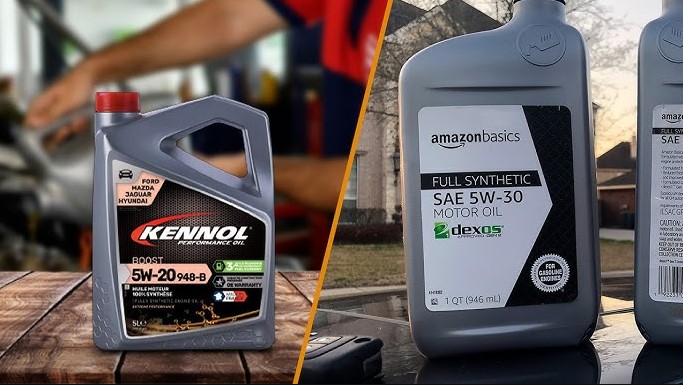
Motor oil keeps an engine safe. It reduces friction, cools hot parts, and helps the engine run smoothly. Oil thickness plays a big role in this process. Thicker oil forms a stronger layer between metal parts. That layer protects the engine under heavy heat and pressure.
Many drivers ask a simple question. What is the thickest motor oil?
Oil thickness depends on viscosity. Viscosity means how thick or thin a liquid is. Thick oil moves slowly. Thin oil moves fast.
Heavy-duty engines often use thicker oil. Large trucks, older engines, and hot climates may require it. A clear understanding of thick motor oil helps drivers choose the right product and avoid engine damage.
This guide explains the thickest motor oil types, how viscosity works, and when thick oil makes sense.
What Is Motor Oil Viscosity?
Viscosity describes how easily oil flows. Thick oil has high viscosity. Thin oil has low viscosity.
Engine oil labels show numbers such as:
Two numbers appear on most bottles.
The first number refers to cold temperature flow. The letter W stands for winter.
The second number shows oil thickness at high engine temperature.
Example:
That difference matters in hot engines.
What Is the Thickest Motor Oil?
Most passenger cars rarely need extremely thick oil. Still, several oils rank as the thickest common types.
20W-50 Motor Oil
20W-50 stands among the thickest widely used oils.
Key features:
-
Very thick at high temperature
-
Strong protection for hot engines
-
Often used in older engines
-
Common in motorcycles and performance cars
Many classic cars use this oil because older engine designs have larger internal gaps.
25W-60 Motor Oil
25W-60 oil ranks even thicker than 20W-50.
Characteristics:
-
Very high viscosity
-
Strong protection under extreme heat
-
Often used in racing engines
-
Suitable for worn engines with oil pressure problems
This oil rarely appears in regular cars.
Race teams and high-performance engines use it more often.
15W-50 Motor Oil
15W-50 offers a balance between thickness and cold flow.
Benefits include:
-
Thick protection at high temperature
-
Better cold start performance than 20W-50
-
Popular in performance vehicles
Sports cars sometimes recommend this grade.
Why Some Engines Need Thick Oil?
Several engine conditions require thicker oil.
Older Engines
Old engines develop larger gaps between parts. Thin oil may slip through those gaps.
Thick oil helps seal those spaces.
Result. Better oil pressure and less burning.
Hot Weather
Hot climates place extra stress on engines.
Thin oil becomes even thinner under heat. Thick oil keeps a stable layer between parts.
Drivers in warm regions often use slightly thicker oil.
Heavy Loads
Heavy towing or hauling increases engine temperature.
Thicker oil protects engine parts during heavy work.
Pickup trucks and performance vehicles often use higher viscosity oil for this reason.
Thick Oil vs Thin Oil
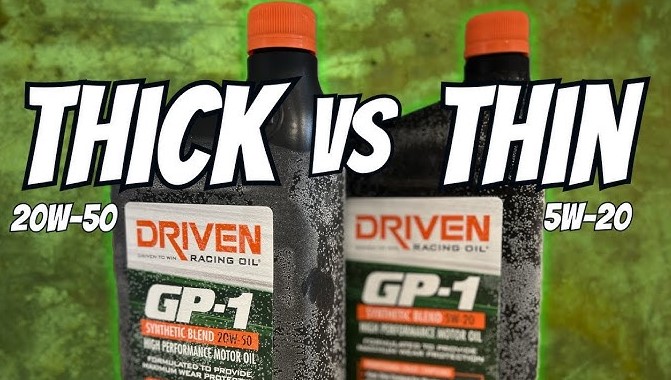
Both types serve a purpose.
Thick Oil
Pros:
Cons:
Thin Oil
Pros:
Cons:
Engine manufacturers choose oil carefully. The owner’s manual always shows the safest option.
Common Motor Oil Viscosity Chart
Simple reference helps many drivers.
| Oil Grade |
Thickness Level |
| 0W-20 |
Very thin |
| 5W-30 |
Thin |
| 10W-40 |
Medium |
| 15W-50 |
Thick |
| 20W-50 |
Very thick |
| 25W-60 |
Extremely thick |
Cars built in the last 10–15 years usually run on thinner oil. Older vehicles often need thicker grades.
Risks of Using Oil That Is Too Thick
Thick oil helps some engines. Problems may appear in others.
Possible issues include:
Modern engines contain small passages and tight tolerances. Thick oil may not flow fast enough. Car manuals always provide the safest oil grade.
Signs Your Engine May Need Thicker Oil
Some engines show clear signs.
Watch for these clues:
-
Low oil pressure
-
Blue smoke from exhaust
-
Oil burning quickly
-
Loud engine noise
Older engines often improve with slightly thicker oil. Mechanic advice helps confirm the best option.
Tips for Selecting the Right Motor Oil
Simple habits protect an engine for many years.
Follow these tips:
-
Check the vehicle owner’s manual
-
Consider climate conditions
-
Monitor oil pressure levels
-
Replace oil regularly
-
Avoid sudden viscosity changes
Consistent oil maintenance keeps engines healthy.
FAQs
What is the thickest motor oil available?
25W-60 ranks among the thickest commonly available motor oils. Racing engines and high-performance vehicles often use it.
Is 20W-50 thicker than 10W-40?
Yes. 20W-50 remains thicker at high engine temperature than 10W-40.
Do modern cars use thick motor oil?
Most modern cars use thinner oil such as 0W-20 or 5W-30. Engine design favors faster oil flow and better fuel economy.
Can thick oil damage an engine?
Excessively thick oil may cause poor lubrication during cold starts. Engine manuals help prevent this problem.
Does thick oil stop engine noise?
Thicker oil sometimes reduces noise in worn engines because it fills larger gaps between parts.
Conclusion
Motor oil thickness affects engine health, temperature control, and overall performance. High-viscosity oils such as 20W-50 and 25W-60 rank among the thickest options used in vehicles today. Older engines, hot climates, and heavy loads often benefit from thicker oil.
Car manufacturers design engines for specific oil grades. The owner’s manual always provides the safest recommendation. Careful oil selection, regular oil changes, and basic maintenance keep engines running smoothly for many years.