
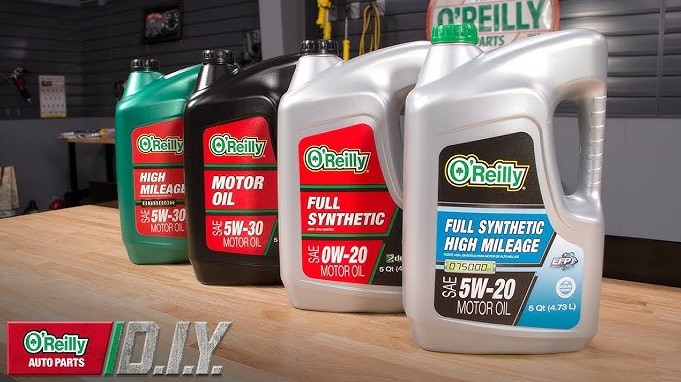
Many car owners trust store-brand oil but still ask who makes O’Reilly motor oil. The brand comes from O’Reilly Auto Parts, a major auto parts retailer known for affordable maintenance products. The company sells private-label lubricants that meet modern engine standards and everyday driving needs.
Large lubricant manufacturers produce the oil while O’Reilly controls the formula, testing process, and quality requirements. Industry supplier Highline Warren manufactures much of the O’Reilly motor oil sold across the United States.
This manufacturer blends, tests, and packages lubricants for many well-known retail automotive brands. O’Reilly engineers design strict specifications that align with API and ILSAC performance standards used in modern engines.
Drivers receive reliable wear protection, stable viscosity, and strong detergent additives that help keep engines clean. Competitive pricing attracts drivers who want solid engine protection without paying premium brand prices. Clear facts about the manufacturer help drivers understand the value behind this widely used motor oil.
Who Makes Oreillys Motor Oil?
Motor oil protects the engine. Every car needs clean oil to reduce friction and control heat. Many drivers buy motor oil from auto parts stores. O’Reilly Auto Parts sells its own brand of motor oil at a lower price than many well-known brands.
A common question appears among drivers and mechanics. Who actually makes O’Reilly motor oil?
O’Reilly sells the product under its own label, but another company produces the oil. This practice is common in the automotive industry. Many retail brands rely on lubricant manufacturers to blend and package motor oil.
A deeper look explains how the system works, which companies help produce the oil, and how the oil meets engine standards.
Who Manufactures O’Reilly Motor Oil?
O’Reilly Auto Parts does not operate an oil refinery or lubricant blending plant. The company focuses on retail sales and automotive parts distribution. Specialized lubricant manufacturers produce the oil for the O’Reilly brand.
Industry information shows that Omni Specialty Packaging blends and packages a large portion of O’Reilly motor oil. This company operates large blending facilities designed for private-label lubricants.
Omni works with several retailers and automotive brands. The company handles:
-
Oil blending
-
Additive mixing
-
Bottling and packaging
-
Labeling for store brands
Retail chains often change suppliers over time. Another manufacturer may supply oil during different production periods. Private-label supply chains change based on cost, logistics, and production demand.
This system allows O’Reilly to offer motor oil under its own name without owning a refinery.
How Private Label Motor Oil Works?
Private label motor oil follows a simple business model. A retailer sells the oil under its brand name. Another company blends and produces the oil. Three main companies usually take part in the process.
1. Base Oil Producers
Large petroleum companies refine crude oil into base oils. These companies operate large refineries and chemical plants.
Base oils form the main ingredient in motor oil. Most engine oils contain about 70% to 90% base oil. Common base oil suppliers include large global oil companies that produce high-quality lubricant base stocks.
2. Additive Companies
Additive companies create chemical packages that improve oil performance. Additives usually make up 10% to 30% of motor oil.
Additive packages include chemicals that:
-
Reduce engine wear
-
Prevent sludge buildup
-
Control oxidation
-
Protect metal surfaces
-
Keep contaminants suspended in oil
Large additive suppliers develop formulas that meet strict engine standards.
3. Blending and Packaging Companies
Blending companies combine base oils with additive packages. The blending plant mixes the ingredients in large tanks. Engineers test viscosity, chemical balance, and engine protection levels.
The finished oil then moves to filling lines where machines fill bottles and apply labels. Private label products like O’Reilly oil go through this final step.
About O’Reilly Auto Parts
O’Reilly Auto Parts started in 1957 in Springfield, Missouri. The company began as a small family business that sold automotive parts to local mechanics.
Growth expanded the company across North America. Today O’Reilly operates thousands of stores across the United States, Mexico, and Canada. The company sells many types of automotive products.
Main product categories include:
-
Engine oils
-
Filters
-
Brake components
-
Tools
-
Batteries
-
Fluids and additives
-
Electrical parts
Private-label products help the company offer lower prices to customers.
Types of O’Reilly Motor Oil
O’Reilly sells several types of motor oil. Each type serves different engines and driving conditions.
Conventional Motor Oil
Conventional oil comes from refined crude oil.
This oil works well for:
-
Older vehicles
-
Simple engines
-
Short daily driving
Conventional oil costs less than synthetic oil. Most drivers change conventional oil every 3,000 to 5,000 miles depending on driving conditions.
Synthetic Blend Motor Oil
Synthetic blend oil mixes conventional oil with synthetic base stocks.
Benefits include:
-
Better heat resistance
-
Improved engine cleanliness
-
Longer oil life than conventional oil
Many modern vehicles accept synthetic blend oil. Oil change intervals often reach 5,000 to 7,500 miles.
Full Synthetic Motor Oil
Full synthetic oil uses advanced chemical base stocks.
These oils resist heat breakdown and flow better in cold temperatures.
Benefits include:
-
Strong protection in extreme heat
-
Better performance in cold weather
-
Reduced engine wear
-
Longer oil change intervals
Many drivers change full synthetic oil every 7,500 to 10,000 miles, depending on manufacturer recommendations.
Viscosity Grades Offered by O’Reilly
Motor oil viscosity describes how thick the oil flows at different temperatures. O’Reilly motor oil appears in common viscosity grades.
Examples include:
-
0W-20
-
5W-20
-
5W-30
-
10W-30
-
10W-40
The first number shows cold temperature flow. The second number shows thickness at high engine temperature. Modern engines often use 0W-20 or 5W-30 because these oils improve fuel efficiency.
Industry Standards and Certifications
Motor oil must meet strict industry standards before it enters the market. These standards ensure that the oil protects engines and meets performance requirements.
API Certification
The American Petroleum Institute (API) sets quality standards for engine oil.
API certification confirms that oil passed tests for:
-
Engine wear protection
-
Sludge control
-
Oxidation resistance
-
Piston cleanliness
Many O’Reilly oils carry API ratings such as:
-
API SN
-
API SP
These ratings indicate compatibility with modern gasoline engines.
ILSAC Standards
ILSAC stands for the International Lubricant Standardization and Approval Committee.
This organization focuses on fuel economy and engine protection.
ILSAC ratings include:
-
GF-5
-
GF-6
Oils that meet these standards help modern engines run efficiently and reduce emissions.
Additives Found in Motor Oil
Additives play a major role in engine protection. Modern motor oil contains many chemical compounds. Common additive types include:
Detergents
Detergents clean engine surfaces. These chemicals remove deposits and prevent sludge buildup.
Dispersants
Dispersants keep dirt and carbon particles suspended in oil. This prevents harmful particles from sticking to engine parts.
Anti-Wear Agents
These additives protect metal surfaces from friction damage. Zinc compounds often perform this function in many oils.
Antioxidants
Antioxidants slow down oil breakdown caused by heat and oxygen.
Viscosity Improvers
These chemicals help oil maintain stable thickness across different temperatures. Each additive helps extend engine life.
Quality of Store Brand Motor Oil
Many drivers assume expensive brands always perform better. Real-world testing shows a different result. Motor oils that meet the same industry standards often perform similarly.
Certification rules require strict testing before oil receives approval. Store brands such as O’Reilly oil must pass the same tests as premium brands. Price differences often come from marketing costs rather than major performance differences.
Why Store Brand Oil Costs Less?
Several factors explain the lower price.
Lower Marketing Cost
Large oil brands spend millions on advertising. Store brands rely on retail shelves rather than national marketing campaigns.
Direct Distribution
O’Reilly sells the oil directly in its stores. No middle distributors increase the cost.
Bulk Production
Large blending companies produce oil in massive quantities. Higher production volume lowers the cost per bottle. These factors allow retailers to sell motor oil at a lower price.
Engine Protection and Maintenance
Correct oil maintenance protects the engine more than brand selection. Drivers should focus on three main practices.
Use Correct Viscosity
Vehicle manuals specify the proper oil grade. Wrong viscosity can reduce engine protection.
Change Oil on Time
Fresh oil removes dirt and protects moving parts. Delayed oil changes allow sludge buildup.
Replace Oil Filters
A clean oil filter removes particles from the oil. Filter replacement should happen during every oil change. These steps protect engines regardless of oil brand.
FAQs
Who actually makes O’Reilly motor oil?
Specialized lubricant companies manufacture the oil. Omni Specialty Packaging produces and bottles much of the product for the O’Reilly brand.
Does O’Reilly produce its own motor oil?
O’Reilly sells the oil under its brand name. Third-party manufacturers handle blending and packaging.
Does O’Reilly oil meet engine standards?
Yes. Most bottles meet API and ILSAC standards required for modern gasoline engines.
Is O’Reilly motor oil good quality?
Quality meets industry standards for engine protection. Proper viscosity and regular oil changes help ensure good engine performance.
Can store-brand motor oil harm engines?
No. Certified motor oils must pass strict tests. Correct usage keeps engines protected.
Conclusion
O’Reilly motor oil appears under the O’Reilly Auto Parts label, yet specialized lubricant manufacturers produce the oil behind the scenes. Companies such as Omni Specialty Packaging blend and package the product using base oils and additive formulas that meet industry standards.
Private-label motor oil follows the same certification rules as well-known brands. API and ILSAC standards ensure that the oil provides proper lubrication, wear protection, and engine cleanliness.
Engine health depends more on correct oil type and regular maintenance than brand name. Proper viscosity, timely oil changes, and clean filters help keep engines running smoothly for many miles.