
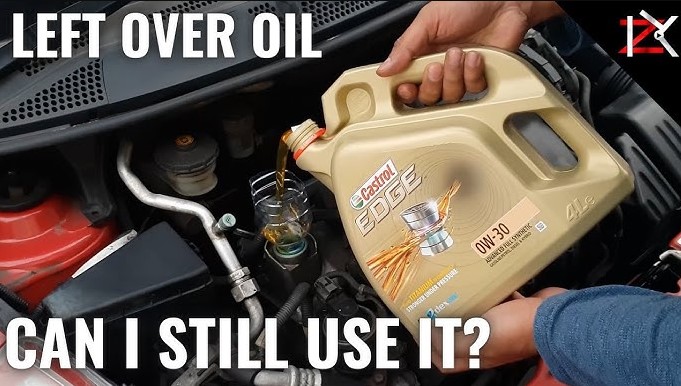
Many drivers stash extra motor oil in the garage for future maintenance. A common question follows: does unopened motor oil expire over time? Shelf life matters because engine health depends on fresh, stable lubrication. Motor oil contains base oils and additives that support cleaning, cooling, and protection.
Time, heat, and air exposure slowly weaken those additives even inside a sealed bottle. Manufacturers design sealed containers to preserve quality for several years under normal storage. Long storage in hot sheds or direct sunlight can shorten that safe window.
Drivers who stock oil for routine service often wonder whether the bottle in storage still performs like new. Expired or degraded oil may fail to deliver the protection modern engines demand. Smart maintenance habits include checking dates, inspecting packaging, and storing oil in a cool, dry place.
This guide explains how long unopened motor oil usually lasts and what signs signal reduced quality. Clear facts help car owners decide whether old bottles deserve use or replacement today.
Does Motor Oil Expire Unopened?
Unopened motor oil does not spoil like food, but it does age. Oil manufacturers design motor oil to remain stable for several years in a sealed container.
Most motor oil brands suggest a shelf life of about 5 years for unopened bottles. Some high-quality synthetic oils may remain stable for up to 7 or even 8 years under ideal storage conditions.
A factory seal protects oil from three main problems:
-
Oxygen exposure
-
Moisture contamination
-
Dirt or dust
That seal slows chemical changes inside the oil.
Oil still ages slowly even inside a sealed bottle. Additives inside the oil break down over time. The base oil also reacts slowly with oxygen trapped in the container. Fresh oil always provides the best protection. Old oil may still work, but its performance may drop.
What Motor Oil Is Made Of?
Motor oil looks simple, yet it contains many engineered chemicals. These ingredients work together to protect the engine. Motor oil contains two main parts.
Base Oil
Base oil makes up about 70% to 90% of the total formula. This oil lubricates engine parts and reduces friction.
Three common base oil types exist:
-
Mineral oil from crude petroleum
-
Synthetic oil made from chemical compounds
-
Synthetic blend oil that mixes both types
Additive Package
Additives make up 10% to 30% of motor oil. These chemicals improve performance and protect engine parts.
Common additives include:
-
Detergents that clean engine deposits
-
Dispersants that keep dirt suspended in the oil
-
Anti-wear agents that protect metal surfaces
-
Corrosion inhibitors that stop rust
-
Viscosity modifiers that control oil thickness
-
Oxidation inhibitors that slow chemical breakdown
Additives perform critical jobs inside the engine. Their strength slowly decreases as oil ages.
What Happens to Motor Oil Over Time?
Motor oil changes slowly as time passes. Even sealed oil undergoes small chemical reactions. Several processes affect stored oil.
Additive Separation
Additives may settle slowly at the bottom of a bottle. This process happens after long storage periods. Shaking the bottle can remix these ingredients in many cases.
Oxidation
Small amounts of oxygen remain inside the container after sealing. Oxygen reacts with oil molecules over time. This process forms weak acids and thick compounds.
Viscosity Change
Oil viscosity describes how thick or thin the oil flows. Aging oil may slowly thicken or thin. Correct viscosity matters for engine protection.
Chemical Degradation
Some additives slowly lose strength. Anti-wear chemicals and detergents weaken after long storage periods. Reduced additive strength means weaker engine protection.
Typical Shelf Life of Unopened Motor Oil
Motor oil shelf life varies based on oil type and storage conditions.
General estimates include:
| Oil Type | Average Shelf Life |
|---|---|
| Conventional motor oil | About 5 years |
| Synthetic blend oil | About 5 to 6 years |
| Full synthetic motor oil | About 6 to 8 years |
Proper storage can extend the life closer to the upper limit of these ranges. Poor storage may shorten it.
Synthetic vs Conventional Oil Stability
Synthetic motor oil usually lasts longer than conventional oil.
Synthetic Oil Stability
Synthetic oil uses engineered molecules. These molecules maintain a consistent structure.
Benefits include:
-
Better resistance to oxidation
-
Higher temperature stability
-
Slower chemical breakdown
-
More stable viscosity
These traits help synthetic oil stay stable longer in storage.
Conventional Oil Stability
Conventional oil contains natural hydrocarbons from crude petroleum. These molecules vary in size and structure. Natural compounds react faster with oxygen and heat. That difference explains the shorter shelf life of conventional oil.
Factors That Affect Motor Oil Shelf Life
Storage conditions strongly influence how long motor oil lasts. Several environmental factors matter.
Temperature
High heat speeds up chemical reactions inside the oil. Heat also damages some additives. Ideal storage temperature ranges from 40°F to 85°F (5°C to 30°C).
Moisture
Water contamination damages motor oil. Moisture can enter damaged containers or poorly sealed bottles. Water also encourages rust formation.
Sunlight and UV Exposure
Direct sunlight heats containers and exposes oil to ultraviolet radiation. UV light slowly breaks down some oil additives.
Air Exposure
Air contains oxygen that reacts with oil. A damaged seal allows more oxygen to enter the bottle. More oxygen means faster oxidation.
Container Material
Most motor oil containers use high-density plastic. This plastic protects oil well. Metal containers also protect oil but may rust if damaged.
Signs That Unopened Motor Oil Has Gone Bad
A sealed bottle rarely fails early. Yet poor storage conditions can damage oil. Drivers should inspect old motor oil before use.
Unusual Thickness
Fresh oil flows smoothly. Thick or sticky oil signals chemical change.
Cloudy Color
Motor oil should appear clear or slightly amber. Cloudy oil suggests contamination or additive breakdown.
Strong Chemical Odor
Fresh oil smells mild. A sharp or burnt odor indicates oxidation.
Sediment or Particles
Visible particles at the bottom of the container show additive separation or contamination. Oil showing these signs should not go into an engine.
How to Read the Manufacturing Date on Motor Oil?
Motor oil bottles usually display a manufacturing code. This code often appears on the bottle neck or bottom.
The code may include:
-
Factory location
-
Batch number
Many brands use a year and day format. Example:
“23120” may represent the 120th day of 2023.
Older bottles may still sit in storage or on store shelves. Checking the manufacturing code helps ensure fresh oil.
Best Storage Practices for Motor Oil
Proper storage helps oil stay stable for many years. Follow these practical steps.
Store in a Cool Area
Garages often work well if temperatures remain moderate. Avoid attic spaces or areas near heaters.
Protect From Direct Sunlight
Closed cabinets or storage boxes block sunlight and heat.
Keep Containers Sealed
Factory seals protect the oil from air and moisture. Never open a bottle until it is ready for use.
Store Bottles Upright
Upright storage prevents leaks and protects the seal.
Avoid Dust and Dirt
Clean storage areas reduce contamination risk if containers open later. Simple storage habits can extend the useful life of motor oil.
Can Expired Motor Oil Harm an Engine?
Old oil may still lubricate an engine, yet its protective ability may drop.
Reduced additive strength may cause:
-
Increased engine friction
-
More metal wear
-
Sludge formation
-
Poor engine cleaning
-
Higher operating temperature
Short-term use may not destroy an engine immediately. Long-term use increases wear and reduces engine life. Fresh oil remains the safest option.
What Happens If Motor Oil Freezes?
Motor oil can thicken in very cold temperatures. Extremely cold environments may slow oil flow. Sealed oil usually returns to normal thickness after warming to room temperature.
Repeated freeze and thaw cycles may cause condensation inside containers. Moisture contamination may occur in extreme cases. Stable storage temperatures work best.
What to Do With Old Motor Oil?
Expired motor oil still requires safe disposal.
Motor oil contains chemicals that harm soil and water.
Safe disposal options include:
-
Automotive repair shops
-
Local recycling centers
-
Municipal hazardous waste programs
-
Oil recycling stations
Many recycling facilities clean and reuse old oil. Recycling protects the environment and reduces waste.
FAQs
How long does unopened motor oil really last?
Most unopened motor oil lasts about five years. High-quality synthetic oils may remain stable for six to eight years with proper storage.
Can I still use old motor oil?
Old oil may still work if it shows no signs of contamination or degradation. Fresh oil always provides better engine protection.
Does shaking the bottle help old oil?
Yes. Light shaking helps remix additives that may settle during long storage periods.
Can sunlight damage motor oil?
Yes. Direct sunlight heats the container and exposes the oil to UV radiation, which slowly damages additives.
Does motor oil expire faster after opening?
Yes. Open containers allow air and moisture inside. Open oil usually lasts 1 to 3 years if sealed tightly after use.
Conclusion
Motor oil does expire over time, even if the bottle stays sealed. Most unopened motor oils remain usable for about five years. Synthetic oils may last slightly longer under good storage conditions.
Additives inside the oil slowly lose strength as time passes. Heat, sunlight, moisture, and air exposure can speed up this process.
Proper storage helps motor oil maintain quality for many years. Cool temperatures, sealed containers, and protection from sunlight keep oil stable.
Fresh oil always offers the best engine protection. Checking the manufacturing date and storing oil correctly helps drivers avoid engine problems and wasted oil.